
Last updated November 16, 2026
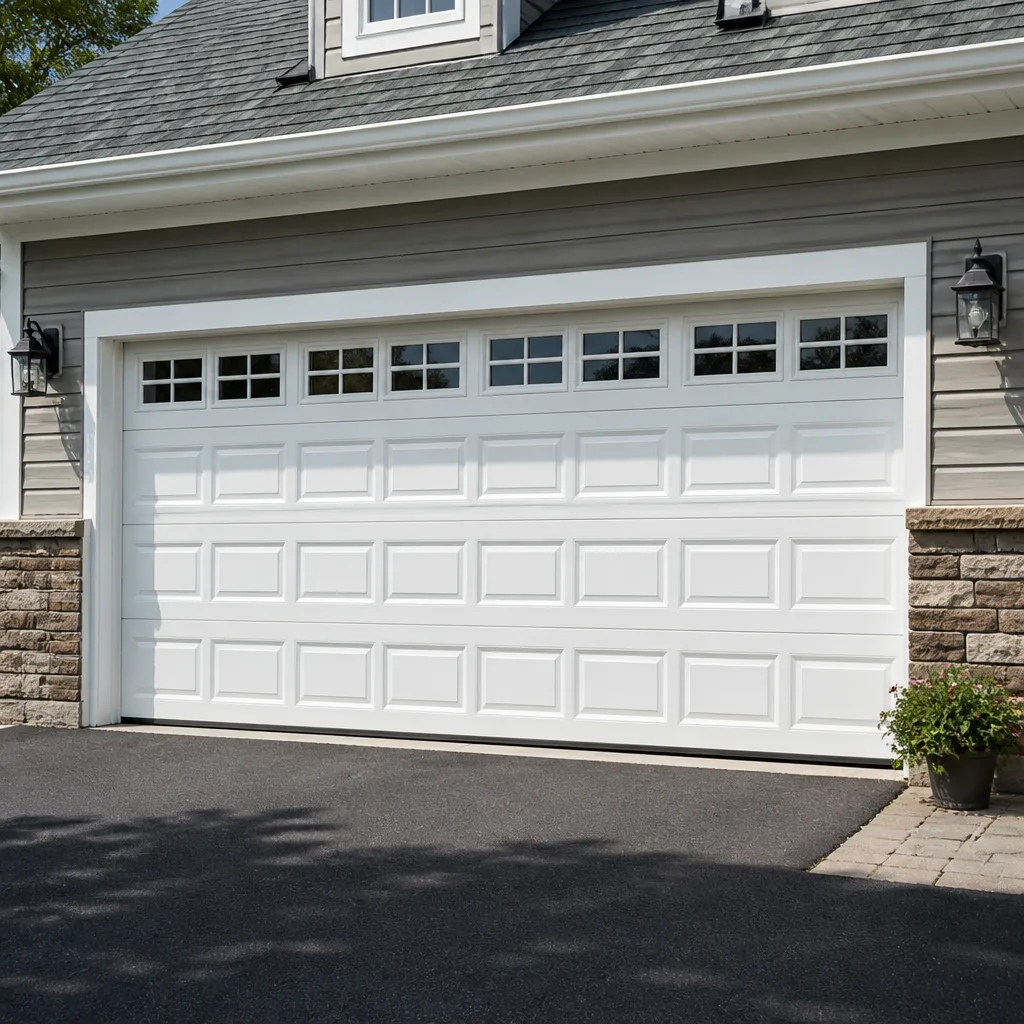 Raised-panel steel
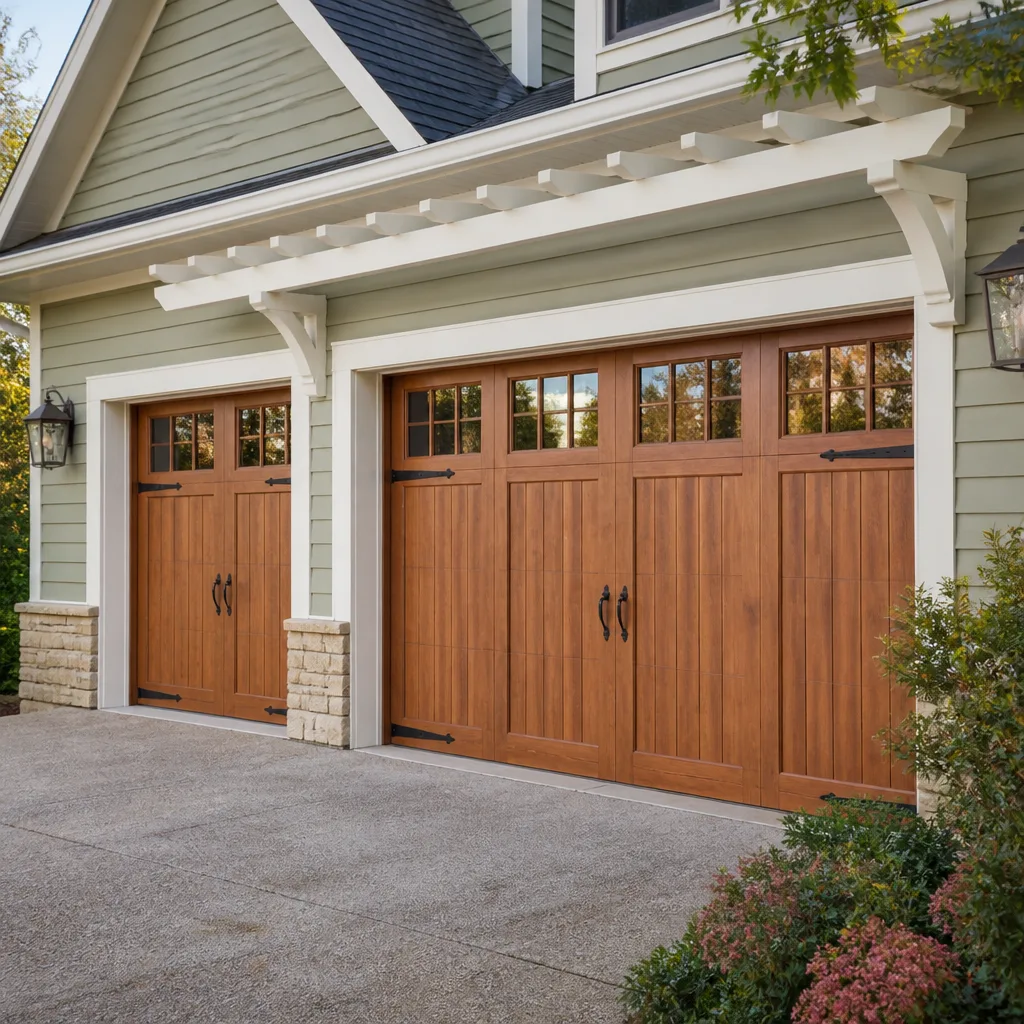 Carriage house
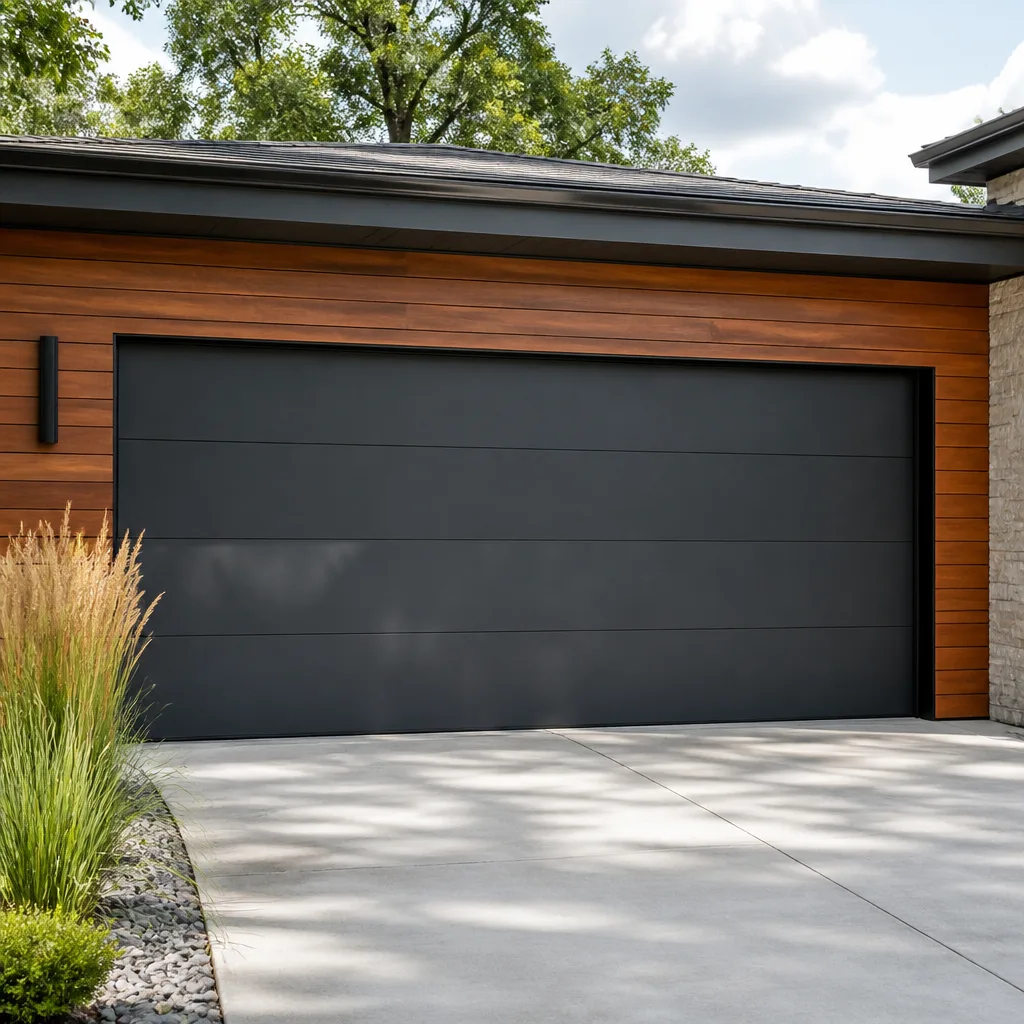 Modern flush
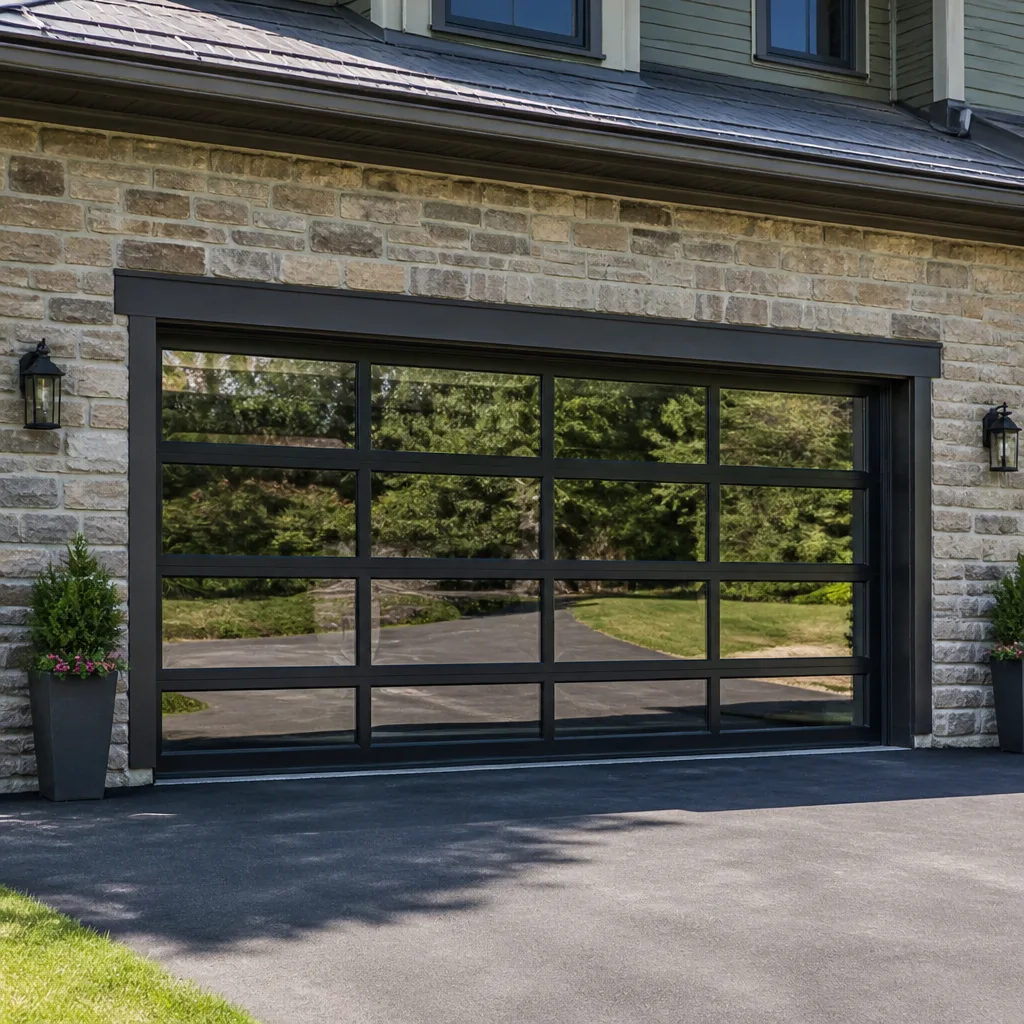 Full-view glass
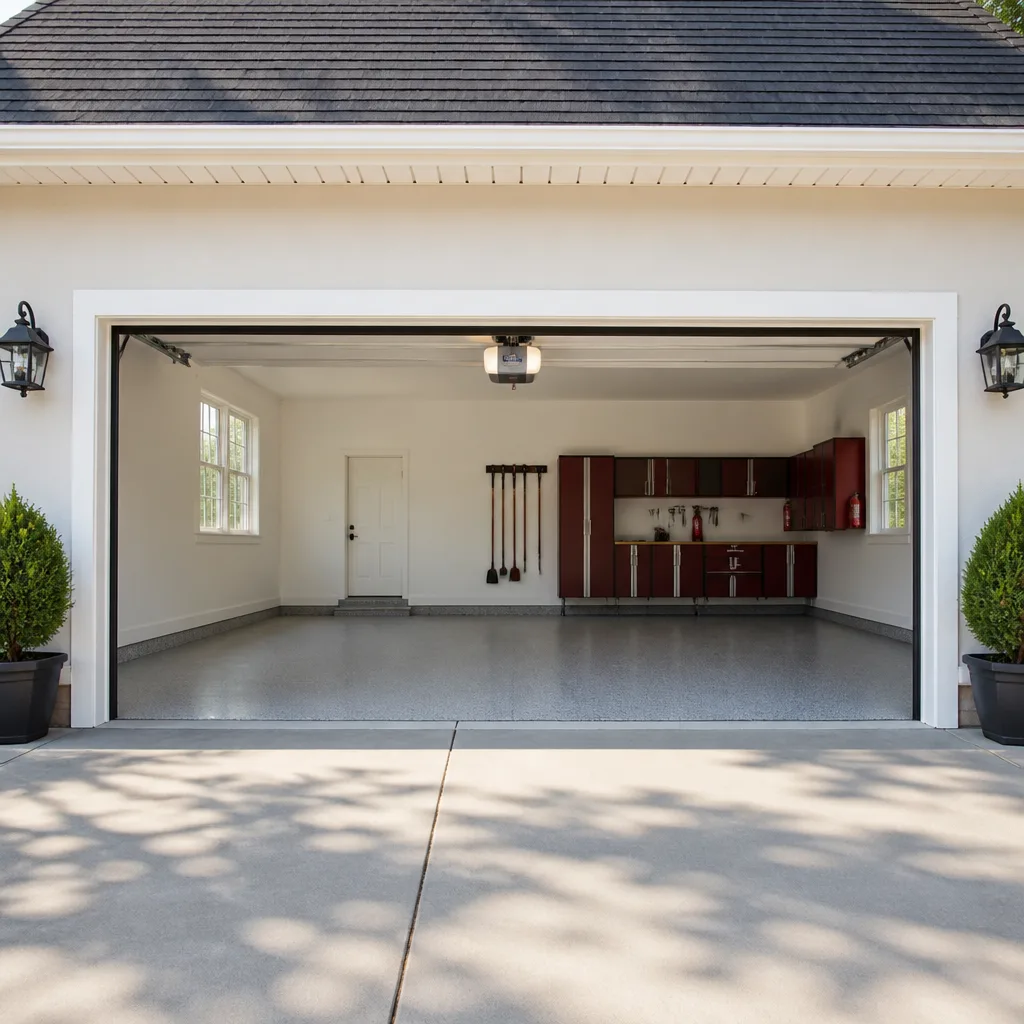 LiftMaster openers
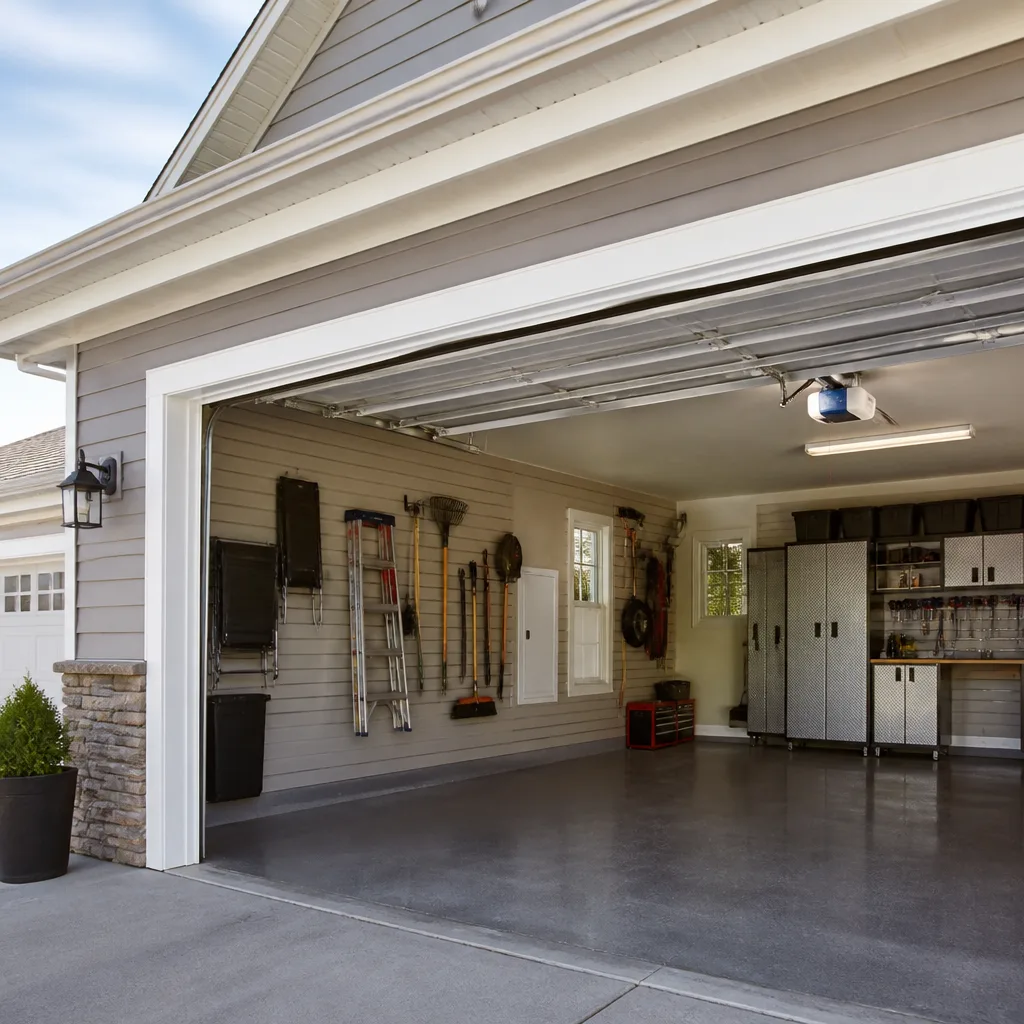 Chamberlain openers
Full 25-point door and opener safety check with every visit - springs, cables, rollers, tracks, and your LiftMaster or Chamberlain opener included
You get a price before we start. It does not change when the pro arrives.
Get your free estimateThe Complete Guide to Garage Doors in Antioch
Most garage door guides are written for a homeowner who doesn’t exist: someone in an average climate, with an average door, in an average house. Antioch isn’t that place. Here, a door on a 1990s tract home in Deer Valley can face a cold, fog-soaked morning and a 100°F afternoon in the same week, with Delta wind pushing against the bottom seal the whole time. That combination wears a door differently than a coastal town or a true desert city does, and it changes which parts fail first and what a fair local price looks like. This guide covers how Antioch’s climate, geography, and housing stock shape every part of your garage door, from the spring above your car to the opener on the ceiling.
Quick Answer
Garage doors in Antioch last longest and fail least when you match the door, spring, and seals to the local climate: a wind-rated bottom seal, an insulation rating appropriate for a hot-summer Delta climate, and springs rated for real temperature swings rather than a coastal default. The most common repairs in Antioch are broken torsion springs, worn bottom seals and weatherstripping, and opener logic-board or drive-gear failures, and most of these are single-visit fixes when a specialist diagnoses them. This guide walks through the local conditions, the dominant door and opener types in Antioch’s subdivisions, and a realistic local cost baseline so you can budget without guessing.
Styles & brands we work with
- Raised-panel steel
- Carriage house
- Modern flush
- Full-view glass
- LiftMaster openers
- Chamberlain openers
Table of Contents
- Why Antioch Garage Doors Wear Differently
- The Delta Wind Corridor and Your Bottom Seal
- Temperature Swings and Torsion Spring Stress
- What Antioch’s Subdivisions Actually Have Installed
- Door Types, Brands, and How They Perform Here
- Matching R-Value to Antioch’s Climate
- Opener Types: Legacy, Belt, and Smart Systems
- A Realistic Antioch Cost Baseline
- Seasonal Maintenance for Antioch Homes
Why Antioch Garage Doors Wear Differently
Antioch sits where the Delta wind funnels through, with hot inland summers and cool, foggy mornings that give way to triple-digit afternoons. That isn’t background color for a garage door guide. It’s the single biggest factor in which parts of your door wear out first and how often you’ll be calling for garage door repair.
Three local forces do most of the damage:
- Wind load on the bottom seal. The Delta corridor pushes constant airflow against the lower edge of the door, sanding grit into the seal and accelerating wear compared with a sheltered inland neighborhood.
- Temperature swing on metal. A door that sits at dawn in cool fog and by midafternoon in baking heat expands and contracts more than a door in a stable coastal climate. The spring above your car absorbs that cycle every single day.
- Housing age and uniformity. Large stretches of Antioch were built in the 1980s through the 2000s, and builders installed the same handful of door models across entire streets. That’s good news for parts availability and bad news for anyone hoping their door is somehow unique.
What this means for you is simple: generic advice written for a national audience will often point you toward the wrong failure. A guide that blames humidity for rust won’t help you when your actual problem is a dry, wind-abraded bottom seal letting in dust. Antioch rewards a local read on the door.
If you want the fast version of this section: pay attention to the seals and the spring first. Those two components take the brunt of Antioch’s conditions, and they’re also the two most affordable things to address before they cascade into bigger problems.
The Delta Wind Corridor and Your Bottom Seal
The Delta wind that moves through Antioch does quiet, steady damage to the bottom of your door. The rubber bottom seal and the weatherstripping around the frame are the parts in direct contact with that airflow, and they’re the first things to fail in homes that face the corridor. If your garage feels drafty or you find grit and leaves inside after a windy stretch, the seal is telling you something.
Here’s what happens in sequence:
- The bottom seal compresses and hardens over time, losing its grip on the floor.
- Wind and grit work into the gap, abrading the seal edge and the door’s bottom rail.
- Air and dust enter the garage, and the door starts to rattle or vibrate against the frame.
- The weatherstripping on the sides and top dries out and cracks under the same constant airflow.
A worn bottom seal is cheap to replace and expensive to ignore. Once it’s gone, the door’s balance shifts slightly, the opener works a little harder, and you start hearing the door from inside the house. In Antioch, replacing a bottom seal and re-fitting the side weatherstripping is one of the highest-value small jobs you can do.
When you’re evaluating a new seal, ask specifically about wind resistance rather than just “is it rubber.” A seal rated for airflow and abrasion holds up longer here than a generic bargain seal that looks identical on the shelf. This is the kind of detail that separates a local specialist from a generalist who’s figuring it out on your driveway.
Temperature Swings and Torsion Spring Stress
Torsion springs are the heavy coiled springs above your garage door, and they’re the part that fails most dramatically. In Antioch, the daily swing between cool, foggy mornings and hot afternoons works those springs harder than a stable climate would. Every cycle of expansion and contraction adds fatigue, and fatigue is what eventually snaps a spring.
How temperature stress shows up locally:
- Cool mornings make the metal contract slightly, tightening spring tension and putting more load on the opener at the start of the day.
- Hot afternoons expand the door and springs, which can make a marginal spring feel loose or cause the door to drift.
- The repetition of that daily cycle is what actually matters. It’s not the extremes alone; it’s how often the door goes through them.
This is also where safety has to come first. Torsion springs are under extreme tension, and a spring that’s been stressed by thousands of temperature cycles can fail without warning. Never attempt to adjust, wind, or replace a torsion spring yourself. A trained technician uses the right winding bars and knows the safe procedure. If you hear a loud bang from the garage or find the door suddenly heavy and hard to lift, stop using it and call a specialist. We work with garage door opener repair and spring work daily, and this is one job where experience genuinely matters.
One practical takeaway: if your springs are near the end of their typical life, replacement in a controlled way beats an emergency call after a snap. Ask a technician about spring life when they’re out for any other reason.
What Antioch’s Subdivisions Actually Have Installed
Antioch’s housing stock is dominated by tract builds from the 1980s through the 2000s, and that pattern has a real practical consequence: whole neighborhoods run the same few door and opener models. Walk through Deer Valley or a Prewett Ranch-era subdivision and you’ll see the same door profile repeated across dozens of homes. That uniformity is actually reassuring. It means the parts for your door are common, not exotic.
The dominant patterns we see in Antioch homes:
- Standard steel sectional doors in single- and double-car widths, most from the tract era.
- Basic and mid-tier openers installed by builders, many now well past their original lifespan.
- Upgrades layered on top as homeowners replace openers with modern belt-drive or smart units while keeping the original door.
What that means for parts availability is straightforward: doors from Clopay, Amarr, and Wayne Dalton are everywhere in Antioch, and their hardware is well-supported. A specialist who works with these brands regularly can usually identify your door model quickly and know exactly which springs, rollers, and hinges it takes. That’s the difference between a fast, accurate diagnosis and someone guessing at a big-box shelf.
If you’re in a newer build or an older custom home, the same logic applies, just with less certainty about what was installed. A technician can confirm the model and match parts correctly. Whether your home is in Deer Valley or closer to the river, the local read on the housing stock saves time.
Door Types, Brands, and How They Perform Here
Most Antioch garages need exactly one of three things: a repair to an existing door, an opener fix, or a full new installation. Understanding your door type helps you know which of those you’re facing. The garage door repair specialists we work with see the full range, and the differences matter for how the door ages in Antioch’s climate.
The main types you’ll encounter:
- Steel sectional doors. The dominant type in Antioch. Durable, common, and easy to source parts for. Insulation quality varies widely.
- Insulated steel doors. Standard in newer builds and popular for retrofit. These hold up well here because insulation helps manage the hot-afternoon temperature load.
- Wood and wood-composite doors. Less common but present in custom homes. They need more maintenance in a temperature-swing climate.
- Carriage-style and decorative designs. Typically found where homeowners have upgraded. Appearance-driven, so a good fit matters as much as function.
On the brand side, our technicians work with LiftMaster, Chamberlain, Genie, Clopay, Amarr, Wayne Dalton, Craftsman, and Raynor systems. In practice, that means the door and opener already in your Antioch garage almost certainly fall within what we handle, without needing a brand-specific contractor.
For a new door, the choice comes down to insulation, panel style, and how well the door suits a hot-summer Delta climate. A well-insulated steel sectional is usually the right answer for Antioch homes. If you’re considering new installation, that’s a scheduled, measured job with a written quote, not an emergency call.
Matching R-Value to Antioch’s Climate
Insulation rating, called R-value, is the number most Antioch homeowners skip over when choosing a door, and it’s the one that determines how hot the garage gets in summer and how much your home’s cooling costs creep up. A garage door’s R-value measures its resistance to heat transfer, and higher isn’t automatically better for every climate. What matters is matching the rating to Antioch’s mix of hot summers and cool mornings.
How to think about it:
- Understand the mode. If the garage shares a wall or ceiling with living space, insulation matters more than in a detached or well-separated garage.
- Match the rating to the climate. Antioch’s hot inland summers argue for a properly insulated door, but you don’t need the highest rating on the showroom floor if the garage is separate from the house.
- Check the fit and seals, not just the number. An insulated door with a bad bottom seal loses much of its benefit. The two work together.
- Compare options with real numbers from Clopay, Amarr, or Wayne Dalton lines rather than accepting the floor default.
The insulation rating on a showroom door reflects what the store wants to sell, not what your Antioch house needs. Ask what R-value makes sense for your specific setup and why. A specialist can explain the reasoning in plain terms rather than pushing the most expensive panel.
The right answer depends on the garage’s relationship to the house. In many Antioch homes, the garage is attached with interior access, which makes insulation a comfort and energy decision, not just a door spec.
Opener Types: Legacy, Belt, and Smart Systems
Openers are where electronics meet mechanics, and in Antioch’s tract homes the original builder-installed units are often well past their designed life. When a door won’t open or close properly, the fault is sometimes the door but just as often the opener. That’s why garage door opener repair is a specialized service rather than an afterthought. The electronics and the drive system both need attention from someone who works on them regularly.
The opener types you’ll find in Antioch homes:
- Legacy chain-drive openers from the tract era. Reliable but noisy, and often near replacement age.
- Belt-drive openers from builder upgrades and replacements. Quieter and a popular choice here.
- Modern smart openers from Genie, Chamberlain, and LiftMaster with app control and safety sensors.
Common failure points we diagnose: worn drive gears, failed logic boards, misaligned safety sensors, and remote or keypad problems that turn out to be the opener rather than the remote. On a smart opener, the fix is sometimes electronic rather than mechanical, and that’s a different skill set than replacing a spring.
Because we cover both the mechanism and the door, we can trace a symptom to its real source instead of guessing. A door that reverses before closing might be a sensor, a track, or an opener limit setting, and diagnosing which one correctly is the whole job. If your opener is failing, call (866) 944-5178 for a free estimate. We answer 24/7, and fast dispatch runs from 7am to 7pm, Sunday through Friday.
A Realistic Antioch Cost Baseline
National averages don’t tell you much about an Antioch garage door job, because local climate and housing stock change what a repair involves. Below is a realistic baseline for the most common jobs. Every price is an estimate, and the written quote you receive before any work starts sets the final price.
Most common jobs:
- Torsion spring replacement, one spring: typically $180 to $340. A matched pair is usually replaced together, so expect roughly double that for a pair.
- Opener repair (drive gear, logic board, sensors, or remote issues): typically $150 to $400 depending on the part and system.
- New opener installation (belt-drive or smart unit): typically $350 to $700 depending on the model and door type.
- Bottom seal and weatherstripping replacement: typically $120 to $250 depending on door width.
- New door installation (standard insulated steel sectional): typically $1,200 to $3,500 depending on size and insulation.
Three things keep the price fair here. First, the estimate is free. Second, the price is quoted and agreed before any work starts, so there’s no invoice surprise. Third, the work is done by technicians who have up to 11 years of experience, which means fewer return trips and a correct diagnosis the first time.
What drives the price up: a matched-pair spring job rather than a single spring, a smart opener with more electronics, and a door replacement rather than a repair. What keeps it down: catching the bottom seal early before it damages the door rail, and choosing parts matched to your actual door model rather than a generic upgrade. For a full picture of what’s involved in a replacement, this guide’s installation sections cover the measured, scheduled side of the job.
Seasonal Maintenance for Antioch Homes
A garage door is mostly maintenance-free until the day it isn’t, and in Antioch the two seasons that matter most are the hot summer months and the cool, foggy stretch in the shoulder seasons. A little attention on a twice-a-year rhythm prevents most of what we get called for.
What to check, and when:
- Before summer. Inspect the bottom seal for hardening or gaps. Test the door’s balance by disconnecting the opener and lifting it halfway. Listen for grinding or scraping.
- Before the cool season. Re-check the weatherstripping and hardware for looseness. Confirm the safety sensors are aligned and clean.
- Monthly all year. Look for anything loose, listen for new sounds, and notice whether the door drifts or reverses unexpectedly.
This is what you can check safely. What you shouldn’t do yourself is anything involving the torsion springs, cables, or opener wiring. Those are genuine hazards and a job for a trained technician. When something sounds wrong, calling early costs less than waiting for a failure.
For most Antioch homes, a seasonal check and prompt attention to the bottom seal handle the bulk of what this climate throws at a door. If you notice a problem, don’t wait for it to become an emergency. A quick call gets it diagnosed.
Common Mistakes to Avoid
- Buying the door on the showroom floor without checking R-value fit. The insulation rating that’s displayed isn’t matched to Antioch’s hot-summer climate for every garage. Ask what rating suits your home’s layout, not the default on the floor.
- Replacing one spring when the pair should go together. If one torsion spring breaks, the other has usually lived the same hard life and is likely near failure too. Replacing the pair avoids a second call and keeps the door balanced.
- Ignoring the bottom seal until it tears. In Antioch’s Delta airflow, a worn seal lets grit and wind in and stresses the door’s balance. It’s a cheap fix that prevents a bigger one.
- Trying to adjust or replace a torsion spring yourself. Springs are under extreme tension and this is a genuine hazard. A trained technician with the right tools handles it safely.
- Assuming a door problem is a door problem. A door that reverses or stops can be an opener limit, a sensor, or a track issue. Diagnosing the real source saves you from fixing the wrong thing.
- Choosing a generalist because they’re available. A handyman who occasionally touches garage doors will spend your time learning on site. A specialist knows the brand and door type before arriving.
- Matching parts by look instead of by model. Antioch’s subdivisions run the same few models, but a generic spring or seal that looks right can fit poorly. Model-matched parts last longer in this climate.
See the difference
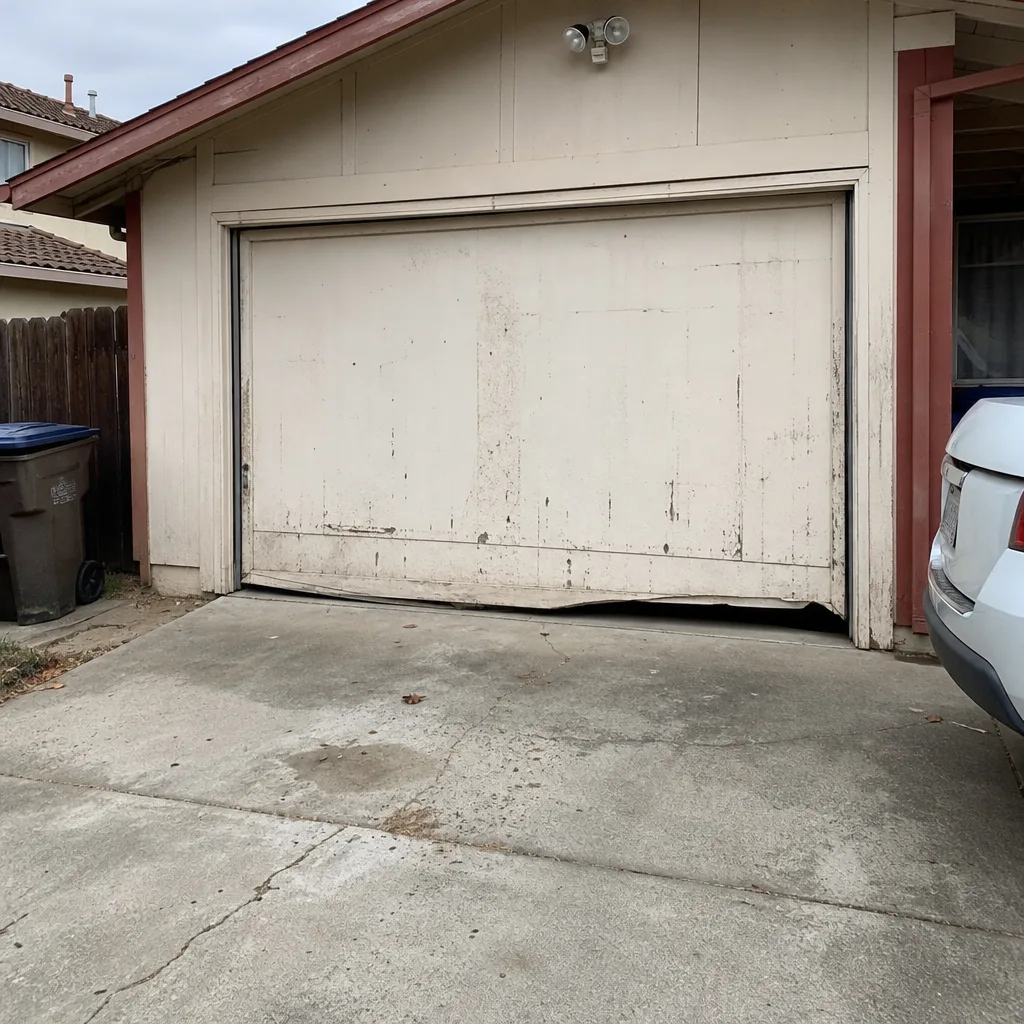 Before
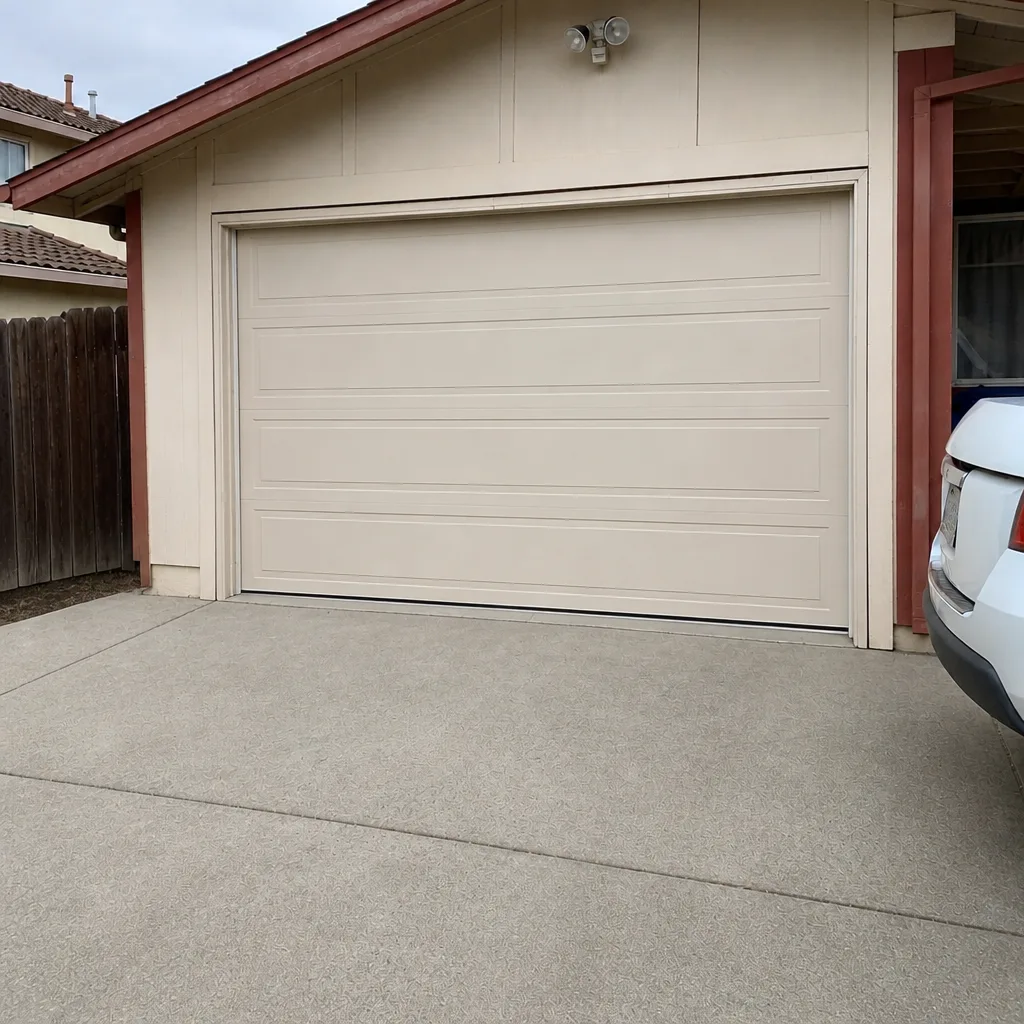 After
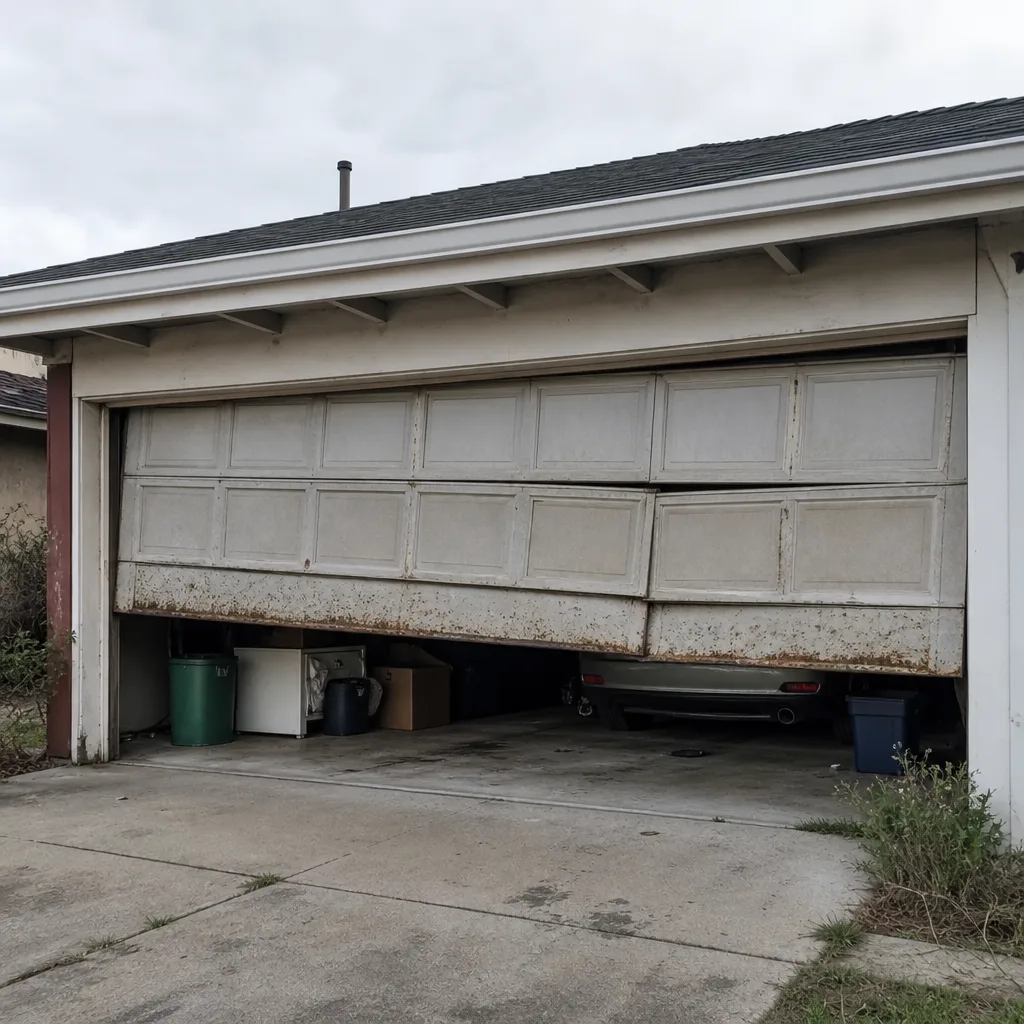 Before
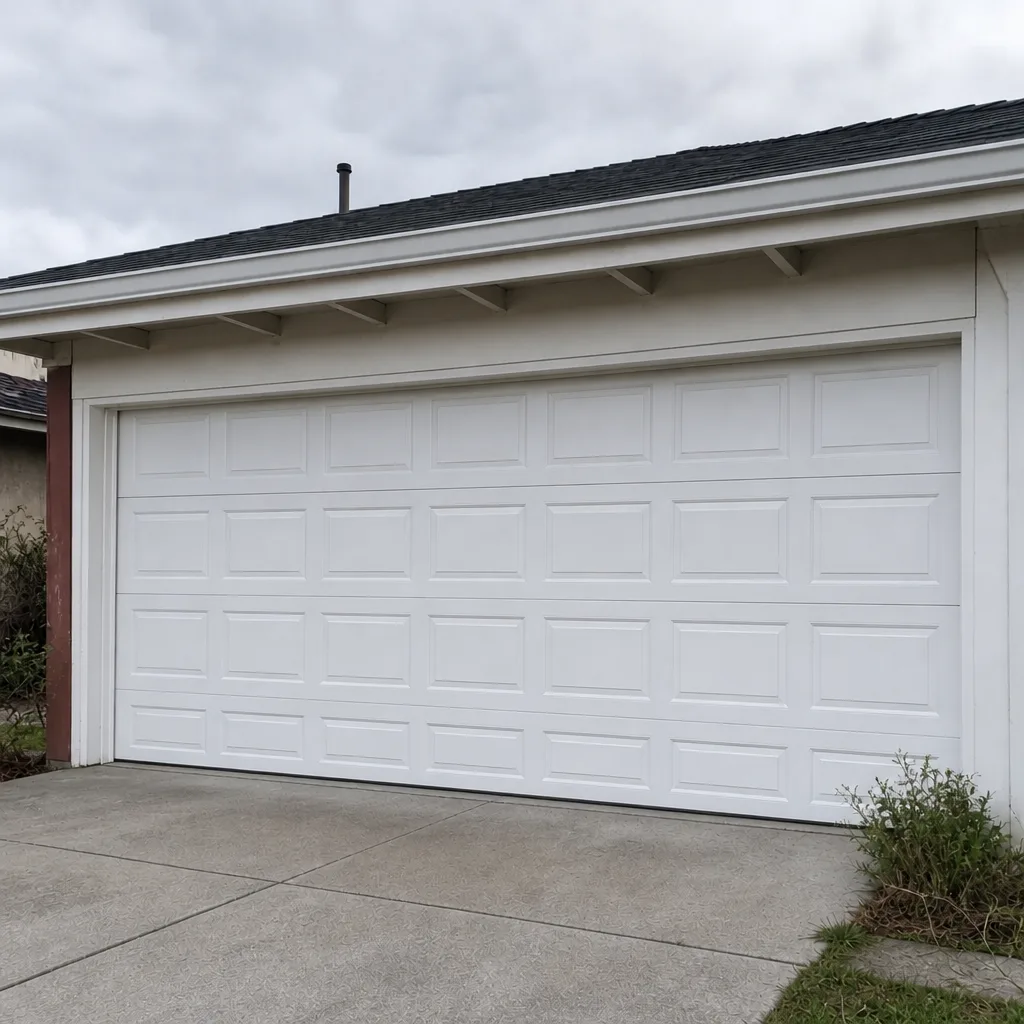 After
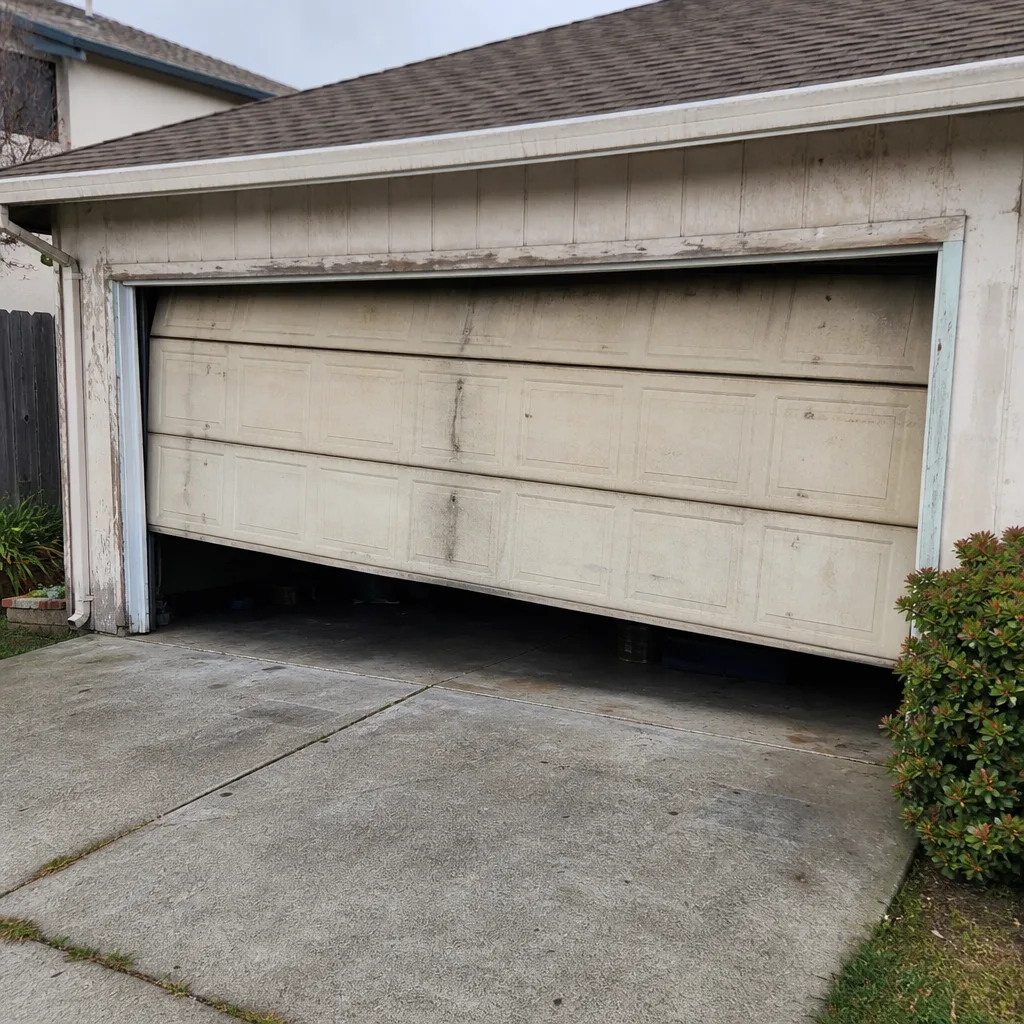 Before
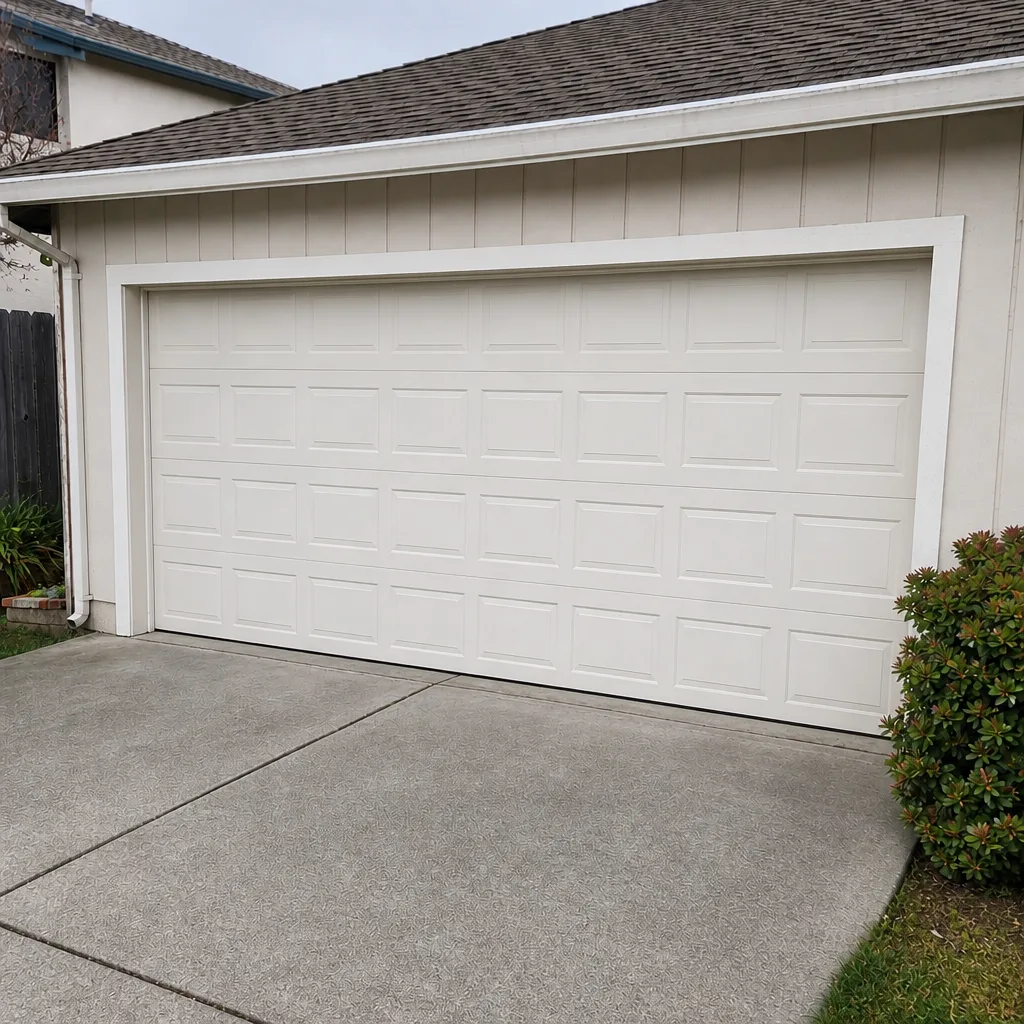 After
When to Call a Professional
Call a specialist when the door won’t open or close properly, when you hear a bang followed by a suddenly heavy door, or when the opener runs but the door barely moves. Call when the door reverses before it reaches the floor, when the bottom seal is torn or the weatherstripping is cracked and letting wind and dust in, and when the opener’s lights work but the door doesn’t respond. Call if a door has been getting louder or heavier for weeks. And call if you’re considering a new door or opener, because that’s a measured, scheduled job with a written quote, not a guess. Sawyer Garage Door Repair offers free estimates in Antioch, and our technicians have up to 11 years of experience. Call (866) 944-5178. We answer 24/7, and fast dispatch runs from 7am to 7pm, Sunday through Friday. We’re closed on Saturday.
Frequently Asked Questions
Single torsion spring replacement in Antioch typically runs about $180 to $340, and a matched pair usually costs roughly double that because both springs are replaced together. The written estimate you receive before any work starts sets the final price. Call (866) 944-5178 for an exact quote, estimates are free.
Antioch’s Delta wind and its daily swing between cool, foggy mornings and hot afternoons wear out seals and torsion springs faster than a stable climate does. The wind abrades the bottom seal and weatherstripping, and the temperature cycle adds fatigue to the springs. Matching parts to those local conditions is what makes a door last here.
Most Antioch homes built in the 1980s through the 2000s have doors from Clopay, Amarr, or Wayne Dalton, with openers from LiftMaster, Chamberlain, Genie, or Craftsman. Because whole subdivisions ran the same models, parts for these doors are common and easy to match. Our technicians work with all eight major brands and can service nearly any door or opener already in a home.
Yes, it’s worth asking for a bottom seal rated for airflow and abrasion rather than a generic one. In Antioch’s wind corridor, a wind-resistant seal lasts noticeably longer and keeps dust and leaves out. Ask a technician to specify one that holds up to the airflow your door faces.
Most repair calls in Antioch are handled the same day, and most doors we service are back in operation the same visit. Call (866) 944-5178 for a free estimate. We answer 24/7, and fast dispatch runs from 7am to 7pm, Sunday through Friday. Installations are measured and scheduled with a written quote rather than fit in same-day.
The right R-value depends on whether your garage is attached to living space, and for most Antioch homes with interior access a properly insulated door makes sense for the hot summers. Don’t default to the rating on the showroom floor; ask what fits your specific setup and why. A specialist can explain the reasoning in plain terms.
Yes, the technicians who perform the work are trained and the work is handled by a garage door specialist focused only on doors, openers, and installation. Call (866) 944-5178 for a free estimate and any questions about how a job is handled. Estimates are free, and the price is set by the written quote.
The Bottom Line
Your Antioch garage door is shaped by its environment: the Delta wind that eats bottom seals, the temperature swings that fatigue torsion springs, and a housing stock where whole streets share the same door model. Matching parts to those conditions, watching the seal and spring before they fail, and calling a specialist when something sounds wrong will save you money and get you a door that works when you need it. Whether it’s the door, the opener, or starting fresh with a new installation, one call covers it. See our Antioch page for more on how we work locally, or read more about how Sawyer Garage Door Repair handles the full system.
Ready for a free estimate? Call Sawyer Garage Door Repair at (866) 944-5178. We answer 24/7. Fast dispatch from 7am to 7pm, Sunday through Friday. We’re closed on Saturday.
Written by the team at Sawyer Garage Door Repair.