
Last updated November 16, 2026
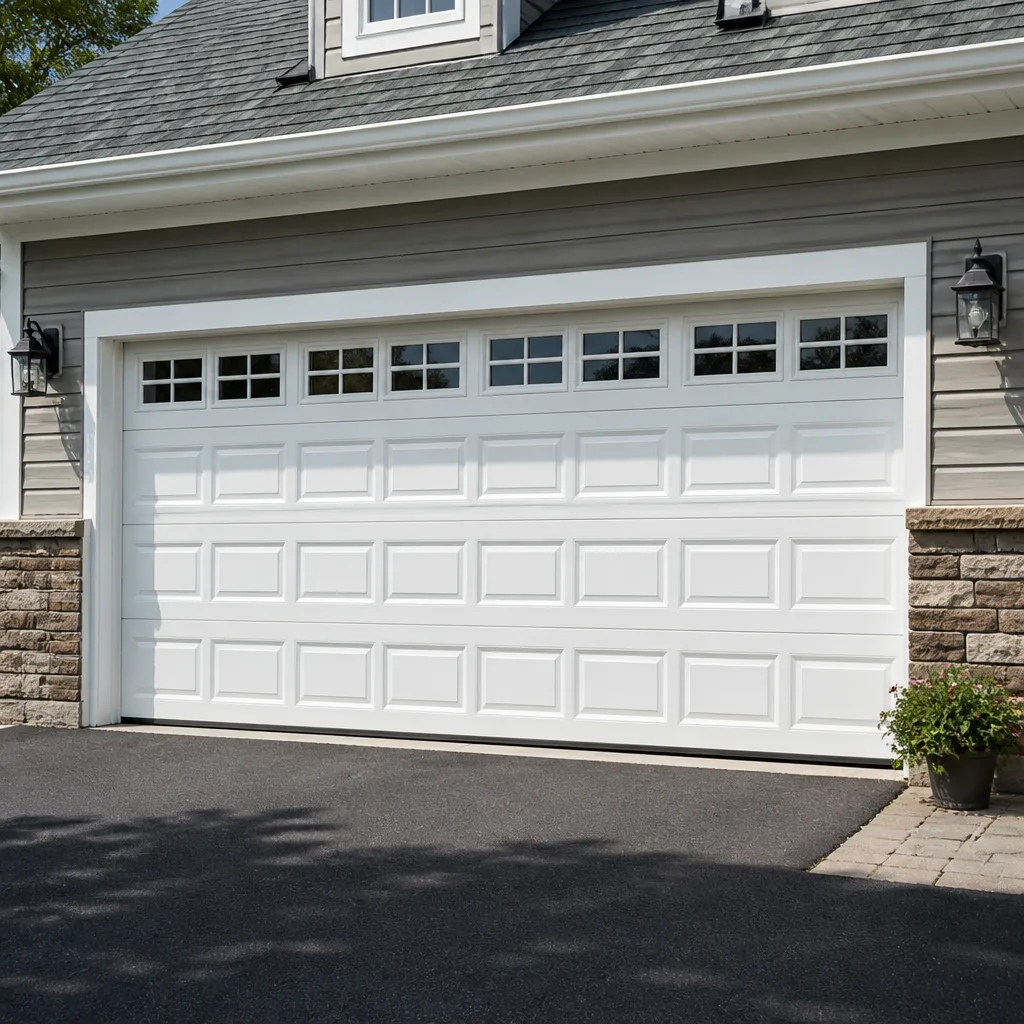 Raised-panel steel
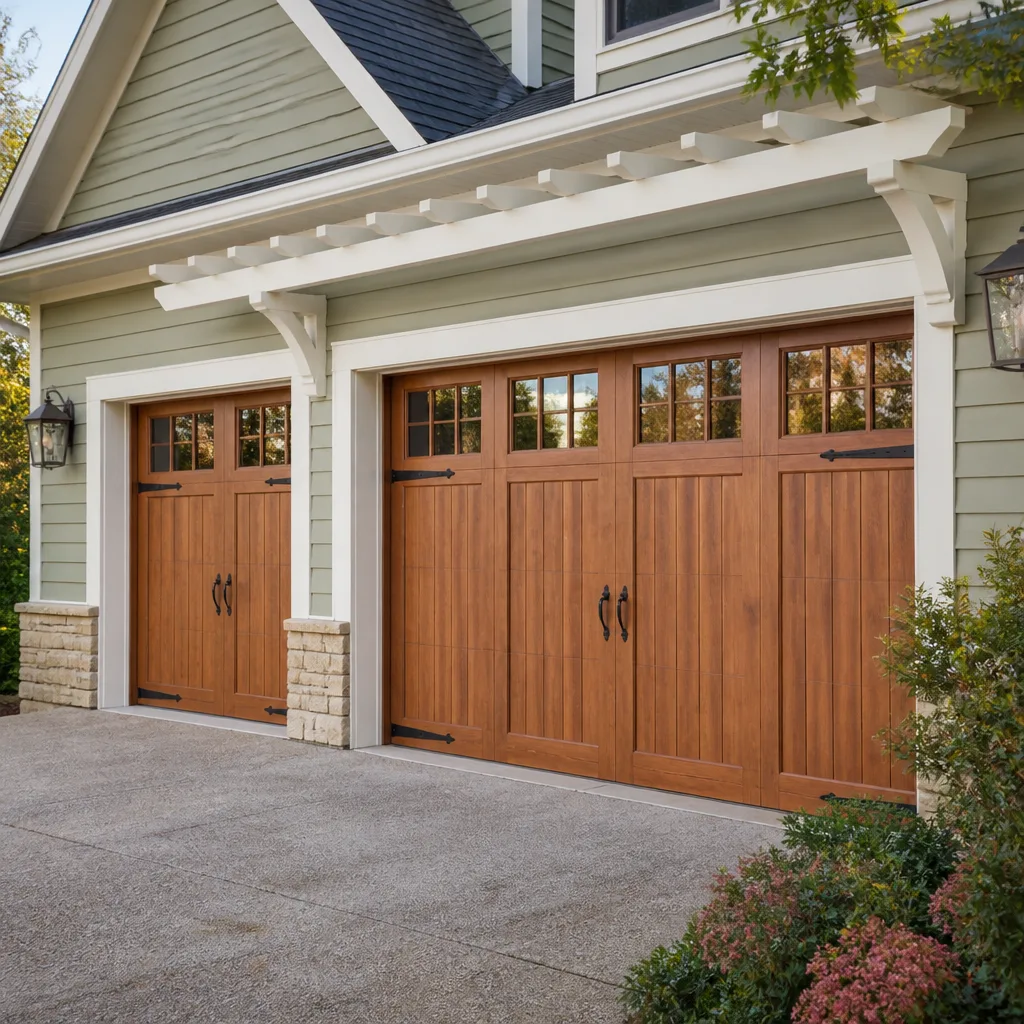 Carriage house
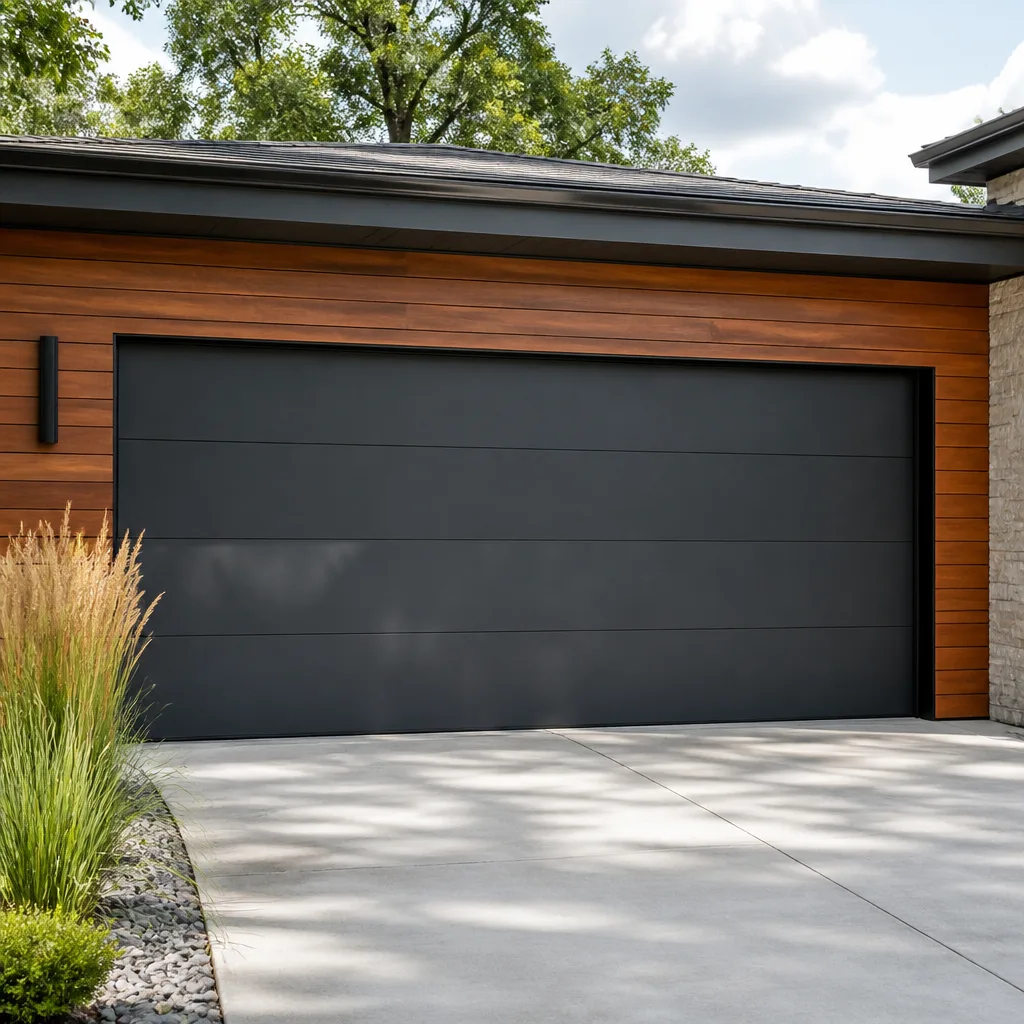 Modern flush
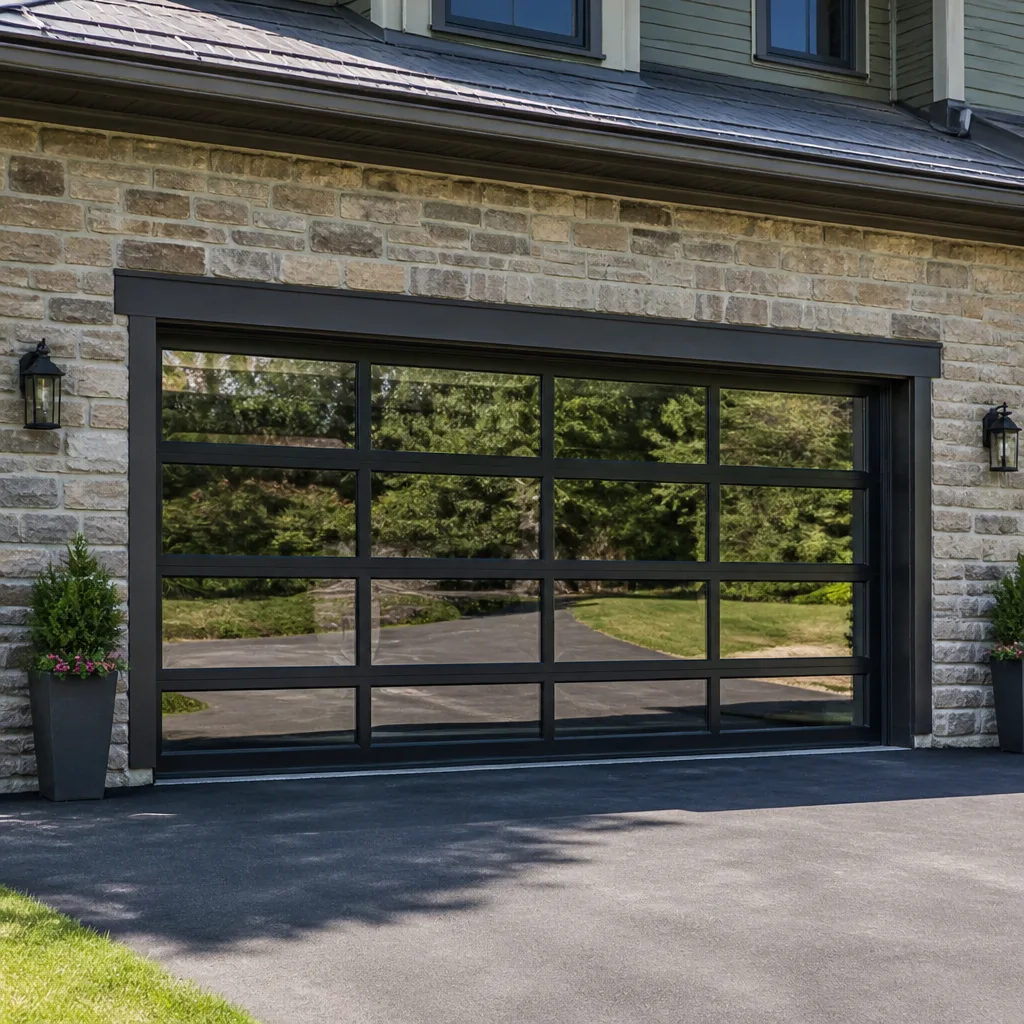 Full-view glass
 LiftMaster openers
 Chamberlain openers
Full 25-point door and opener safety check with every visit - springs, cables, rollers, tracks, and your LiftMaster or Chamberlain opener included
You get a price before we start. It does not change when the pro arrives.
Get your free estimateSeasonal Garage Door Care for Antioch: Year-Round Homeowner’s Guide
Most seasonal garage door guides are written for a climate that Antioch doesn’t have. They’ll tell you to winterize for hard freezes, clear snow from the door’s base, and watch for ice in the tracks. Antioch averages around 47°F in January, and a hard freeze is rare here. Meanwhile, the conditions that actually wear out a garage door in this city get almost no attention: months of 100°F-plus heat, a Delta wind season that drives debris into every gap, and a wet season that finds every weakness in an older slab. This guide covers what each of those actually does to a door and an opener, and gives you a calendar built for Antioch, not Minnesota.
Quick Answer
Seasonal garage door care in Antioch means thinking in three rough seasons rather than four: a hot, dry summer that stresses opener motors and photo-eyes, a fall and winter wind season that pushes debris and water into seals and tracks, and a wet winter and spring that reveal rust and drainage problems. The highest-value tasks are pre-summer opener checks, pre-wind seal and track inspections, wet-season water management at the threshold, and a post-wet-season rust assessment on springs and hinges. A few hours of preventive work spread across the year prevents most of the breakdowns we’re called out for.
Styles & brands we work with
- Raised-panel steel
- Carriage house
- Modern flush
- Full-view glass
- LiftMaster openers
- Chamberlain openers
Table of Contents
- Why Antioch’s Seasons Don’t Match the National Playbook
- Summer Prep: Heat, Motors, and Photo-Eyes
- Fall and Delta Wind Season: The Highest-Risk Window
- Winter Wet Season: Water, Drainage, and the Threshold
- Spring: The Rust Assessment Window
- The Antioch Month-by-Month Garage Door Calendar
- The Monthly Ten-Minute Check
Why Antioch’s Seasons Don’t Match the National Playbook
Antioch sits in the warm inland part of the East Bay, where the climate behaves quite differently from the Bay shoreline a few miles west. Summer heat is sustained and often climbs past 100°F. Winter is mild, with January averages near 47°F and frost that rarely lasts long enough to matter. Between the two, the Delta funnels wind through this corridor in a pattern that shows up in the garage as much as anywhere else in the house.
That combination produces three distinct stress periods rather than the tidy four-season cycle most maintenance calendars assume:
- Heat season (roughly June through September): opener motors run hotter, lubricants thin out, and metal components expand and shift.
- Wind season (roughly October through February): the Delta breeze carries dust, leaves, and small debris that work into tracks, seals, and the gap under the door.
- Wet season (roughly November through March): rain finds low spots at the threshold, especially in older slab-built garages, and drives moisture into hinges and spring coils.
Notice that wind and wet overlap. That’s the part national guides miss entirely: in Antioch, the same months that bring the most wind also bring the most rain, so a seal that’s already damaged by debris is also the seal that lets water in. If you only do one round of seasonal prep, do it in early fall, before both arrive. Homeowners across Antioch who follow that one rule avoid a large share of the water and debris problems we see.
One more local factor: much of Antioch’s housing stock includes older slab-built garages where the slab sits close to grade. Those garages don’t have the drainage margin newer construction does, which makes threshold maintenance here more important than it would be on a raised foundation.
Summer Prep: Heat, Motors, and Photo-Eyes
Sustained heat is the single biggest seasonal stressor on a garage door system in Antioch, and it hits two components hardest: the opener motor and the safety photo-eyes.
What heat does to an opener motor
A garage door opener is a motor doing heavy lifting in an unconditioned space. When the outside temperature climbs past 100°F, the inside of a closed garage can run considerably hotter. Motors that are already working harder than they should (a door with stiff rollers, an unbalanced door, a worn drive gear) have less headroom in that heat. LiftMaster and Chamberlain units, which are among the most common systems in Antioch garages, are built to handle real heat, but no opener benefits from dragging a door that fights it.
Before July arrives, we recommend:
- Balance-test the door. Disconnect the opener (pull the release handle) and lift the door halfway by hand. It should stay put. If it drifts down or feels heavy, the springs or rollers are adding load the motor shouldn’t be carrying into summer.
- Lubricate rollers, hinges, and the torsion bar with a garage-door-rated lubricant, not household oil or grease. This is the one maintenance task that directly reduces motor strain in the heat.
- Check the opener’s force and travel settings against the manual for your model. If the door is straining, adjusting the opener to force through it just masks the real problem.
- Clear the vents on the opener housing if your unit has them, and check that nothing is stored against the motor head.
Photo-eye alignment and thermal expansion
Safety photo-eyes sit near the floor on each side of the door, mounted in brackets that expand and contract with temperature. A pair that’s borderline-aligned in mild weather can drift out of line when the heat peaks, and the symptom looks like a door that closes partway and reverses for no obvious reason. Before summer, check that the small indicator lights on both eyes are solid (not flickering), wipe the lenses, and confirm the brackets are snug. If the door reverses on its own repeatedly during a heat wave, photo-eye alignment is the first thing to check. That’s a garage door repair call if the adjustment won’t hold, since a loose bracket or a failing eye is a safety issue, not a cosmetic one.
Fall and Delta Wind Season: The Highest-Risk Window
If we had to name the single most important seasonal inspection for an Antioch garage door, it would be the one you run in early fall, before the Delta wind picks up. This is the highest-risk period of the year for debris intrusion and seal damage, and it’s also the easiest to prepare for.
Wind doesn’t just blow leaves against the door. It drives fine dust and grit into every gap: the bottom seal, the track channels, the hinge joints, and the gap where the door meets the frame. That grit does two things over a season. It abrades the bottom seal from the inside, and it packs into the tracks where rollers run, causing uneven travel and premature roller wear.
The pre-wind inspection to run
- Bottom seal: Run your hand along the entire length of the seal where it meets the floor. It should compress against the slab with no gaps. Any tear, flat spot, or hardened section will leak wind, debris, and later, water. This is the first component to fail in wind season and the cheapest to replace before it does.
- Track channels: Look inside both vertical and horizontal tracks for grit and small debris. Wipe them clean with a dry cloth. Don’t lubricate the tracks themselves; rollers are lubricated, tracks are kept clean.
- Hinge joints and roller stems: Check for looseness. Wind-driven vibration works fasteners loose over months. A hinge that’s rattling is a hinge that’s wearing.
- Weatherstripping at the frame: Look for peeling or gaps at the sides and top, particularly on the windward face of the garage.
- Door panel condition: Wayne Dalton and Raynor doors in particular have panel profiles where wind-driven debris can catch; check for dings that have opened seams or broken the finish.
Do this inspection in late September or early October, and do any seal or weatherstripping replacement then. Replacing a bottom seal in calm weather takes a fraction of the time it takes once the door is already leaking wind and grit into the garage every afternoon.
Winter Wet Season: Water, Drainage, and the Threshold
Antioch’s wet season doesn’t bring snow or a deep freeze, but it brings something that causes more garage damage here than cold does: water at the threshold, particularly in older slab-built garages where the slab sits close to grade. When rain runs toward the garage rather than away from it, the bottom seal is the last line of defense, and if it’s compromised, water gets in.
The good news is that most threshold water problems in Antioch garages can be addressed without a full remodel. Here’s the order we’d work in:
- Start with the bottom seal. A properly fitted seal with a slight compression against the slab stops the majority of rain that reaches the door line. If the seal is flat, torn, or hardened, replace it before doing anything else.
- Check the door’s closed position. If the door doesn’t close fully or evenly, the seal can’t do its job. Adjust the travel limits on the opener so the door seats properly across its full width.
- Look at the grade outside the door. Water should run away from the garage, not toward it. A shallow swale or a clogged drain channel outside the door is a landscaping fix, not a garage door fix, but it’s often the real cause.
- Inspect the frame and side weatherstripping. Wind-driven rain gets in at the corners where the side strips meet the top strip. Those joints are worth checking and sealing.
- Consider a threshold seal if your slab is low and water consistently reaches the door line. These mount to the floor and give the bottom seal something to compress against.
What we’d avoid is treating a water problem as a reason to replace the whole door. In our experience, the vast majority of wet-season garage water intrusion in Antioch is a seal, grade, or travel-limit issue, and fixing those costs a fraction of a door replacement. If water is reaching the opener or the wall framing, that’s the point to bring in a professional rather than keep patching.
Spring: The Rust Assessment Window
Once the wet season ends, you have the clearest window of the year to assess rust. After months of moisture cycling through the springs, hinges, and roller stems, any surface that’s prone to corrosion will show it. Spring is the time to look, because catching rust early is a cleaning and lubrication task, while catching it late is a parts replacement.
Surface rust versus structural rust
These are very different, and the distinction matters:
- Surface rust is a light, even orange-brown film on the surface of a spring coil, hinge, or roller stem. It wipes off or comes off with a light scrub, and the metal underneath is sound. This is normal in a moist environment and is addressed by cleaning and applying a proper lubricant.
- Structural rust is pitting, flaking, or a rough, scaled texture where metal has been eaten away. On a torsion spring, structural rust is a genuine safety concern: a spring with reduced cross-section can fail under tension, and spring failure is the most dangerous thing that happens in a garage door system.
Here’s the important safety line: assessing rust on hinges and rollers is a visual task you can do yourself. Assessing the condition of a torsion spring is not a do-it-yourself task. Springs are under extreme tension, and the cables and hardware around them can cause serious injury if handled incorrectly. If you see pitting or flaking on a spring, or if the door has become harder to lift or sounds different when it operates, call a trained technician rather than attempt anything yourself. That’s a job for someone who works on springs every day.
For surface rust on hinges and roller stems, clean with a light abrasive, wipe down, and apply a garage-door-rated lubricant. That’s the whole job, and doing it in spring buys you another dry season before corrosion becomes a problem.
The Antioch Month-by-Month Garage Door Calendar
A generic four-season calendar doesn’t fit Antioch, so here’s one calibrated to how the year actually runs here. You don’t need to do every item every month; the bolded tasks are the ones that matter most in each window.
- January: Mid-wet-season check. Confirm the bottom seal is seated, look for water at the threshold, and listen for any change in the door’s sound. Keep the door closed during wind-driven rain.
- February: Wet season continues. Clear any debris that’s washed against the door line from outside. Check hinges for rust bloom.
- March: Last stretch of wet weather. Inspect the threshold and the frame weatherstripping for water damage.
- April: Post-wet-season rust assessment. Look at springs, hinges, and roller stems. Clean and lubricate surface rust. Schedule a professional inspection if a spring shows pitting.
- May: Pre-summer opener check. Balance-test the door, lubricate rollers and hinges, check photo-eye alignment and indicator lights.
- June: Heat arrives. Confirm the opener isn’t straining and watch for any door reversal during the first hot spells.
- July: Peak heat. Keep the opener motor’s vents clear, and watch photo-eyes closely for heat-related misalignment. Lubricate if the door gets noisy.
- August: Peak heat continues. Re-check the balance of the door if it feels heavier than in spring.
- September: Pre-wind inspection. This is the most important task of the year. Check the bottom seal, clean tracks, tighten hinges, and replace weatherstripping if needed.
- October: Wind season starts. Re-check the seal after the first strong wind events, clear debris from the tracks.
- November: Wind and wet overlap. Confirm the bottom seal still compresses fully, and check the threshold for the first signs of water intrusion.
- December: Winter check. Repeat the threshold and seal inspection, and listen for any new noise that suggests a wind-loosened fastener.
If you remember nothing else from this calendar, remember the two bookend tasks: pre-wind inspection in September, and post-wet-season rust assessment in April. Those two windows catch the majority of the seasonal problems we see in Antioch garages.
The Monthly Ten-Minute Check
Between the seasonal tasks above, a short monthly check catches most developing problems before they become repair calls. It takes about ten minutes and doesn’t require any tools beyond a cloth and a lubricant.
- Run the door through a full cycle and listen. Any new rattle, grind, or uneven movement is worth investigating.
- Test the safety reverse. Place a small object (a roll of paper towels works) in the door’s path and close it. The door should reverse on contact. If it doesn’t, that’s a photo-eye or opener issue and should be addressed right away.
- Wipe down the tracks with a dry cloth. Keep them clean of grit, especially in wind season.
- Look at the bottom seal for any new tears or flat spots.
- Check the photo-eye indicator lights for solid (not flickering) operation.
- Listen to the springs. A spring that’s suddenly louder or that produces a twang on operation is worth a professional look.
If something seems off and you want a specialist to look at it, we’re happy to help. Sawyer Garage Door Repair works on the door itself and the garage door opener repair side whenever a check turns up an issue, and we work on LiftMaster, Chamberlain, Genie, Clopay, Amarr, Wayne Dalton, Craftsman, and Raynor systems regularly. Call (866) 944-5178. We answer 24/7. Fast dispatch from 7am to 7pm, Sunday through Friday.
Common Mistakes to Avoid
- Following a national seasonal calendar. The most common mistake we see is homeowners winterizing for freezes that rarely happen in Antioch while ignoring the wind season that actually causes the most damage. Match your tasks to this climate, not a template.
- Waiting until the first big wind to check the bottom seal. By then the seal is already leaking debris and the replacement is happening in worse conditions. Do it in September, before the wind arrives.
- Lubricating the tracks. Tracks are meant to be clean and dry; rollers are lubricated. Greasing the tracks attracts grit and causes uneven travel, especially in wind season.
- Ignoring water at the threshold until the framing is wet. A small threshold leak is a seal or grade fix. A leak that reaches the wall framing becomes a much larger problem.
- Attempting to inspect or adjust a torsion spring yourself. Springs are under extreme tension and spring failure is genuinely dangerous. Visual assessment from a safe distance is fine; anything beyond that belongs with a trained technician.
- Adjusting an opener to force through a stiff door. If the door is heavy, the fix is springs and rollers, not a force setting. Pushing the opener harder shortens its life, especially in summer heat.
- Skipping the post-wet-season rust check. April is the clearest window to catch rust before it becomes structural. Cleaning and lubricating in April is a ten-minute job; replacing a rusted spring is not.
See the difference
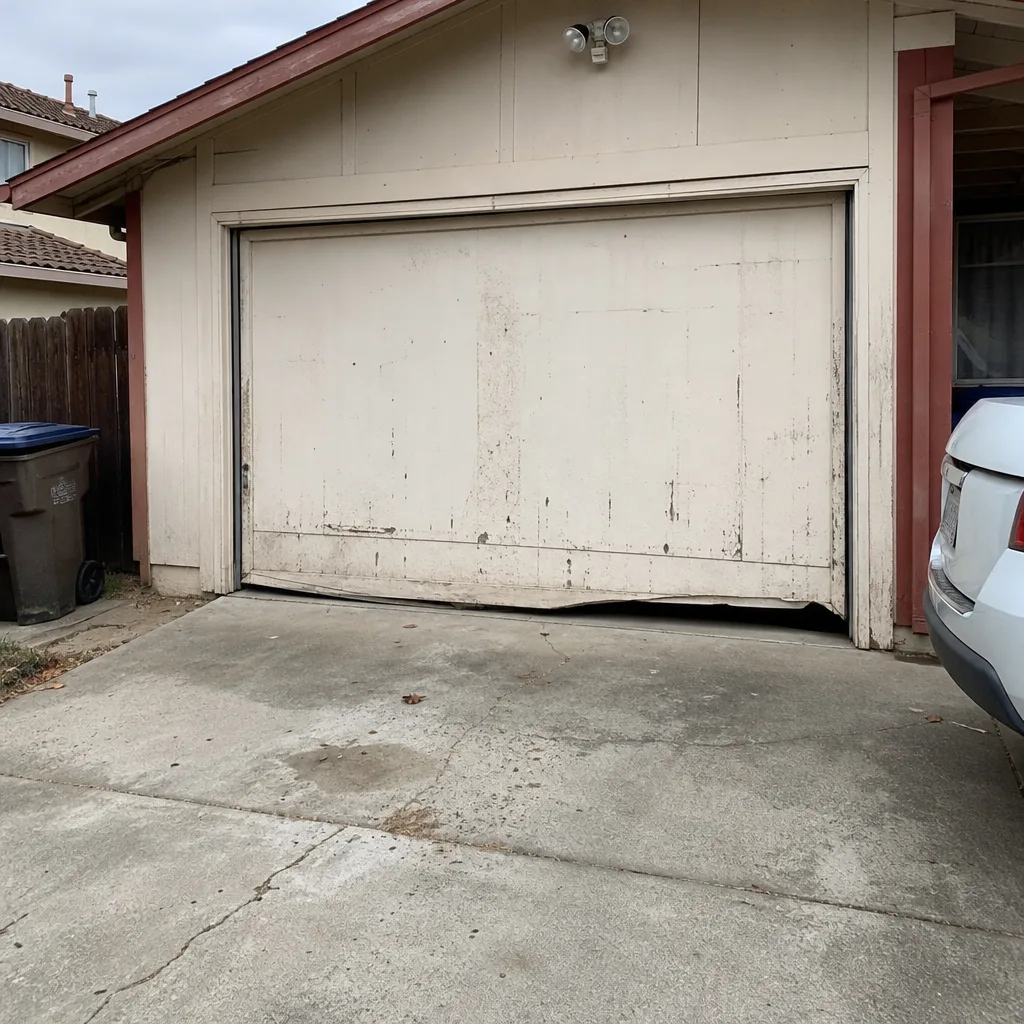 Before
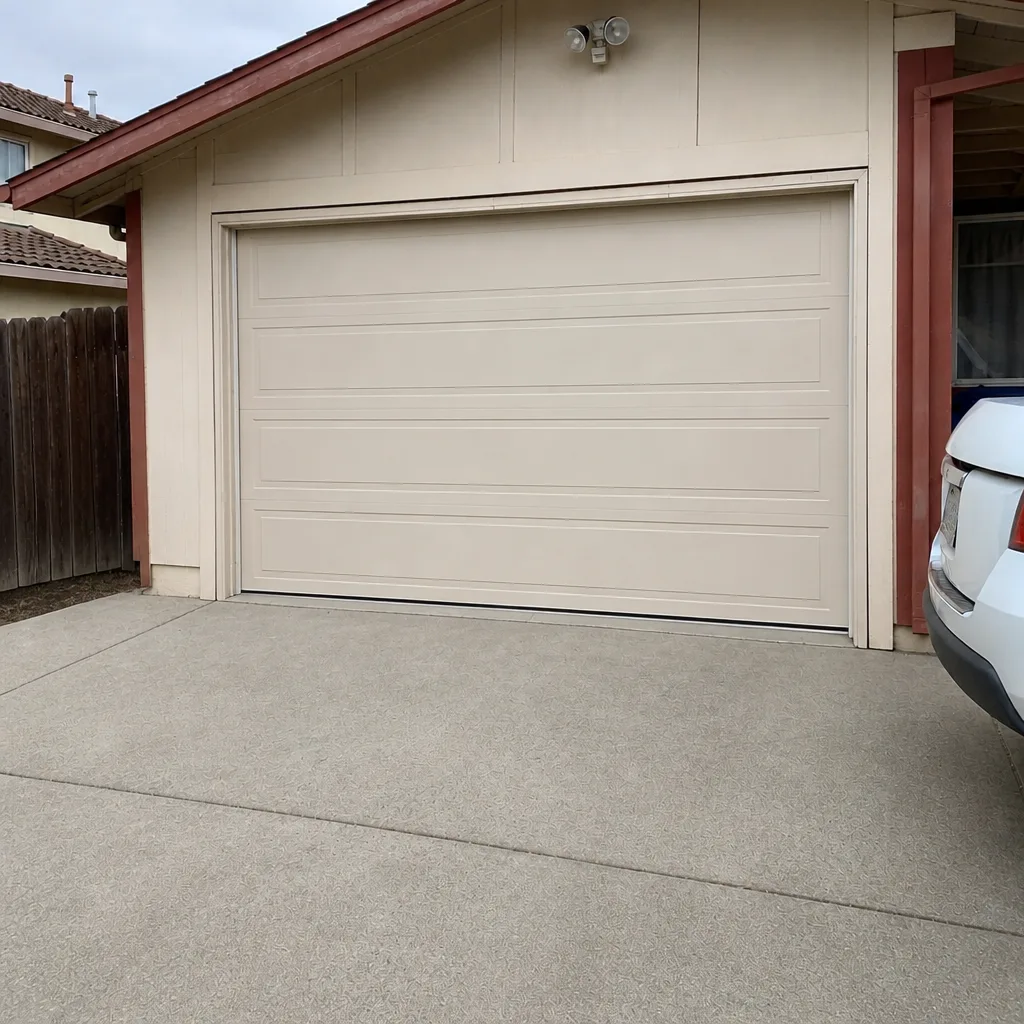 After
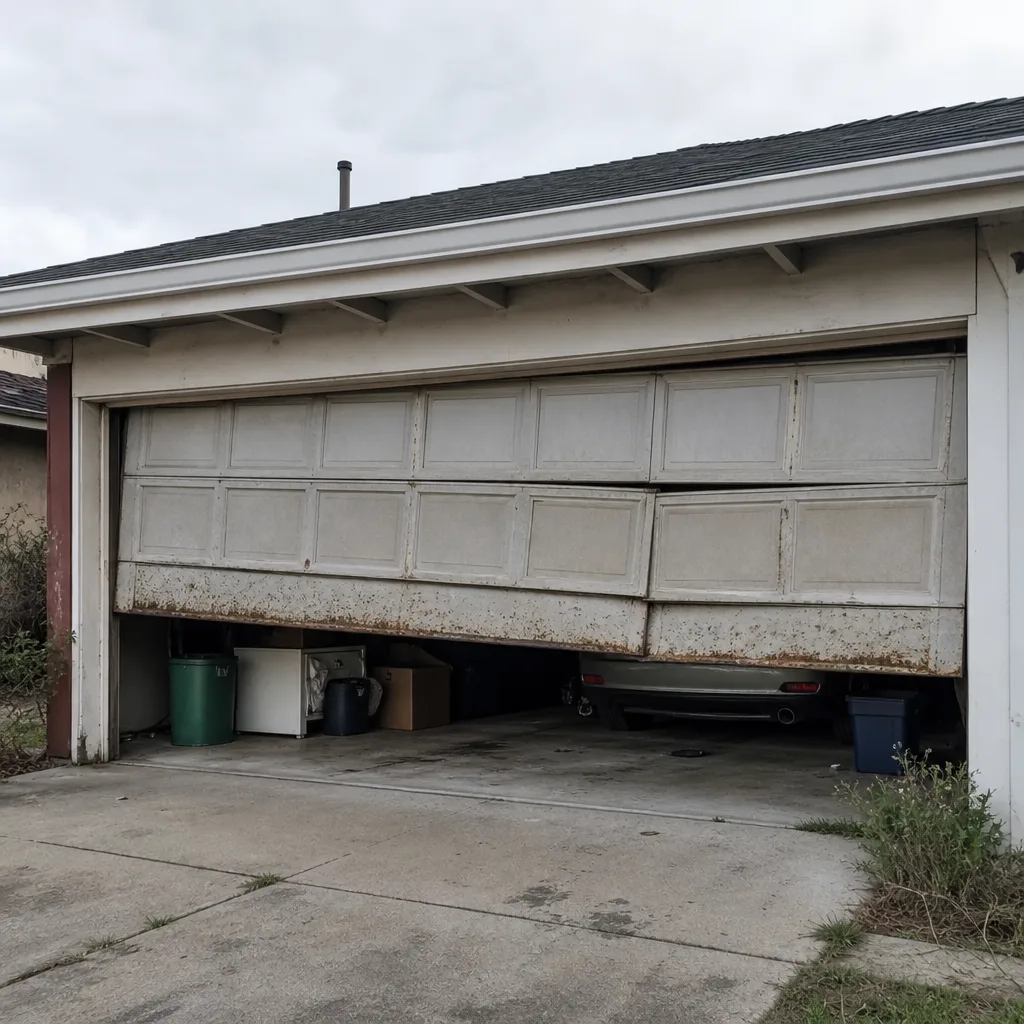 Before
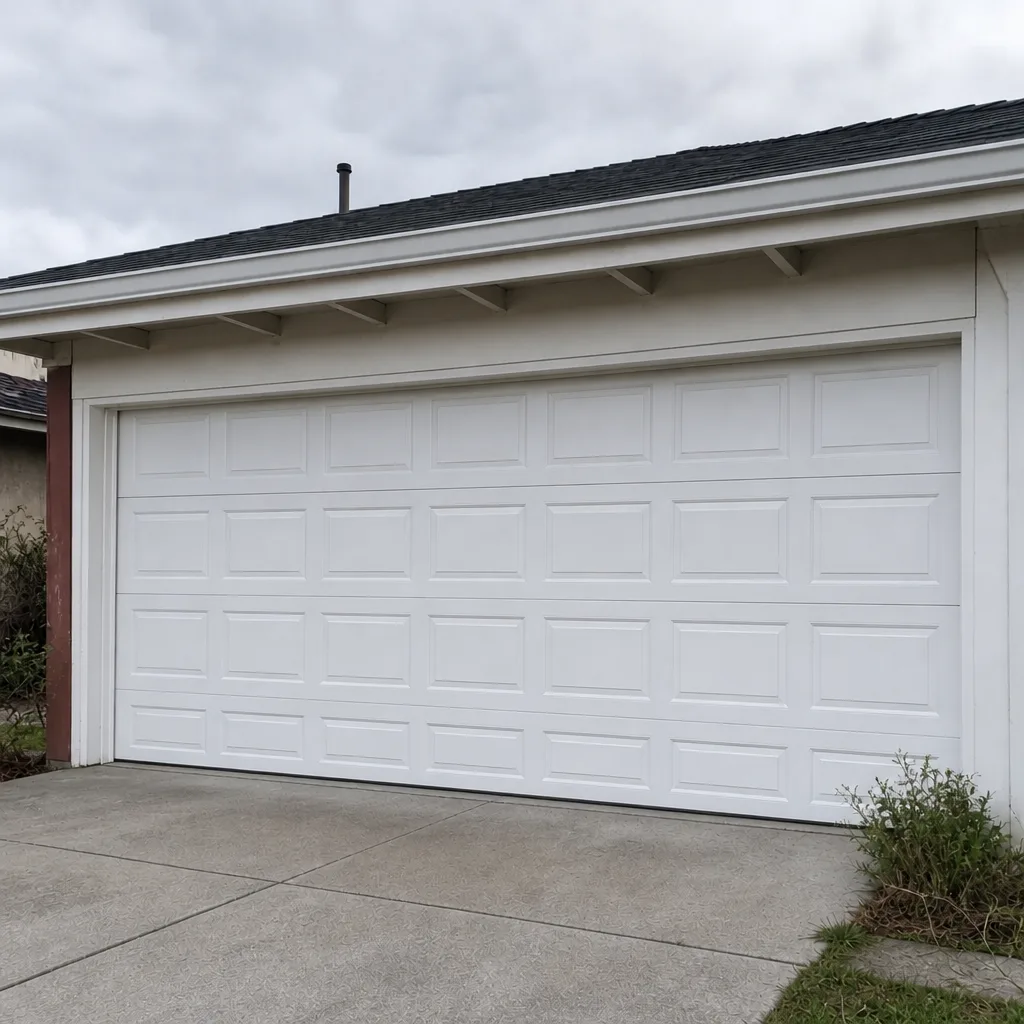 After
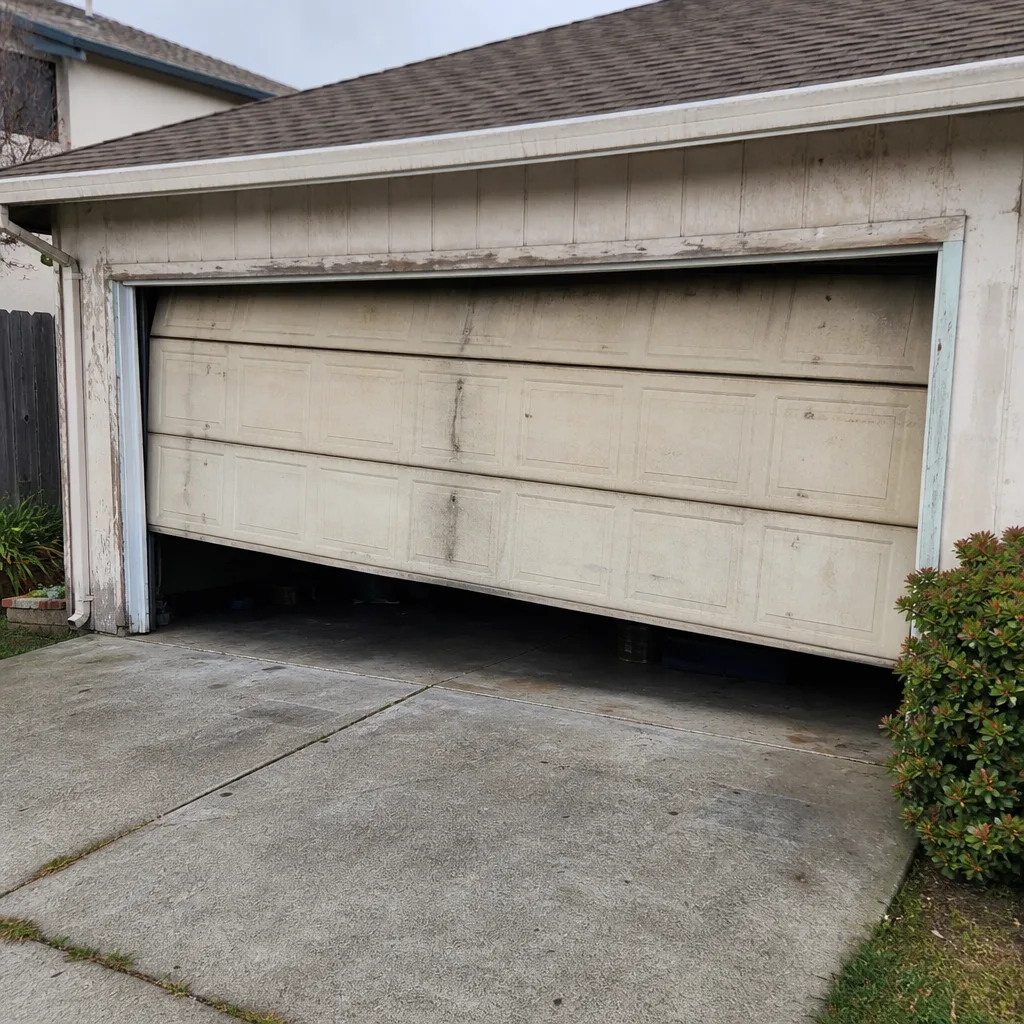 Before
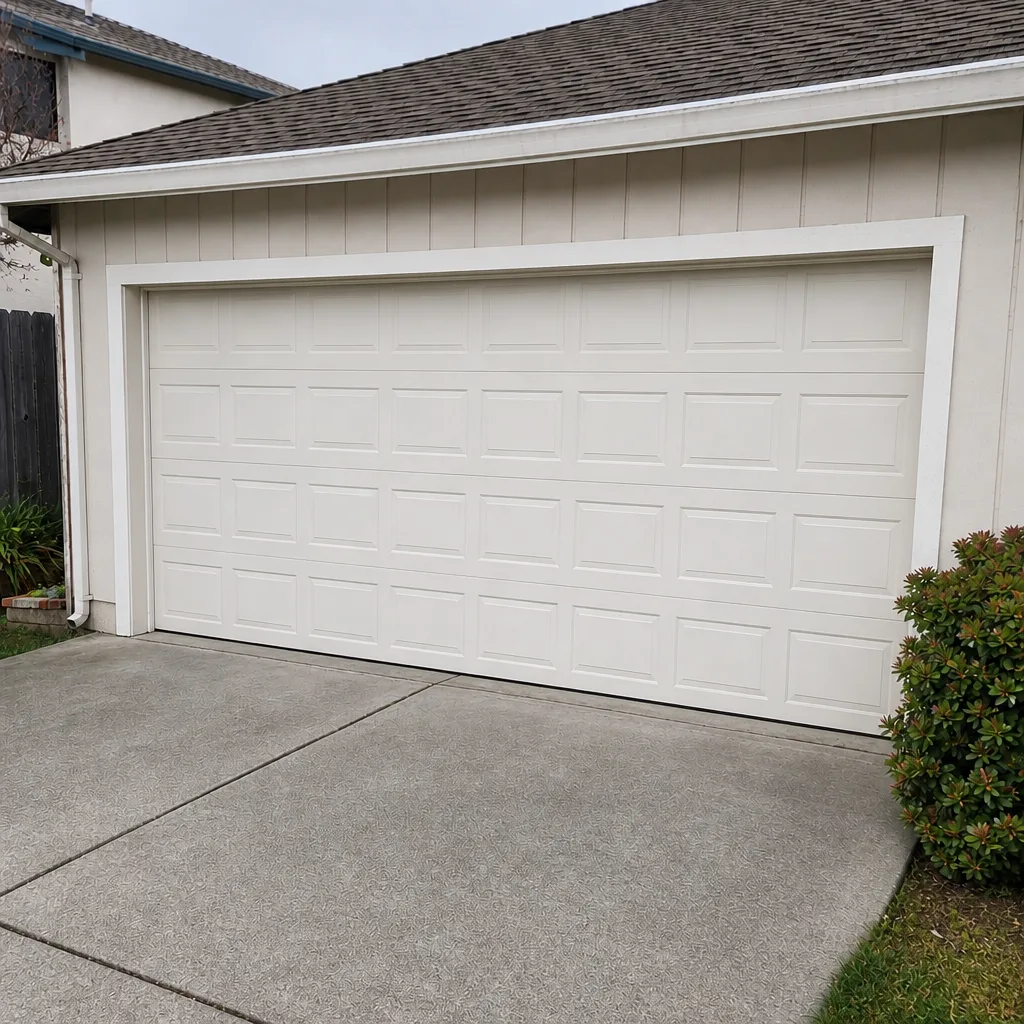 After
When to Call a Professional
Some seasonal tasks you can handle yourself: wiping down the tracks, cleaning photo-eye lenses, checking the bottom seal, and applying lubricant to hinges and rollers. Call a professional when the work involves anything under tension, anything electrical, or anything that won’t hold an adjustment. Specifically: a torsion spring showing pitting or flaking, a door that has become noticeably harder to lift, a door that reverses on its own and won’t hold after photo-eye cleaning, an opener that struggles or has begun to fail, a bottom seal that won’t stay seated, or water reaching the opener or wall framing. These aren’t the sort of problems a routine repair resolves, and in a garage door system, a small failure under spring tension can turn into a larger one fast. Sawyer Garage Door Repair offers free estimates in Antioch, and we cover the door, the opener, and new installation, so one call handles it. Call (866) 944-5178. We answer 24/7.
Frequently Asked Questions
The pre-wind inspection in late September is the most important. That’s the window before the Delta wind season starts, when checking the bottom seal, cleaning the tracks, and tightening hinges prevents the debris and moisture problems that cause most fall and winter garage door issues in Antioch.
Yes, it does. The combination of sustained summer heat and a strong fall and winter wind season, followed by a wet season that finds every weak spot in older slabs, creates a specific set of stresses: opener motors running hot, photo-eyes drifting out of alignment, seals abrading from wind-driven grit, and water intrusion at the threshold. A generic four-season guide doesn’t address these. Call (866) 944-5178 for a specific look at your door.
We recommend lubricating rollers, hinges, and the torsion bar at least twice a year, ideally in May before summer heat and in April after the wet season. In a hot climate, spring and fall lubrication keeps the door running smoothly and reduces strain on the opener. If you’re not sure what to lubricate, we can walk you through it or come take a look. Call (866) 944-5178 for a free estimate.
You can look at them from a safe distance. If you see light surface rust, that’s normal and can be cleaned and lubricated. If you see pitting, flaking, or the door has become harder to lift, stop and call a professional. Springs are under extreme tension, and any adjustment or replacement is work for a trained technician. Call (866) 944-5178 if you’re unsure what you’re seeing.
It usually will if it isn’t addressed, because the seal that lets water in during light rain also lets it in during heavier rain. Most threshold water problems in Antioch come down to a worn bottom seal, a door that doesn’t close fully, or grade that runs toward the garage. All three are fixable, and none usually require a full garage remodel. Call (866) 944-5178 for an assessment.
Yes, our technicians are licensed and insured. We work on LiftMaster, Chamberlain, Genie, Clopay, Amarr, Wayne Dalton, Craftsman, and Raynor systems regularly, so we’re familiar with the brands already in most Antioch garages. Call (866) 944-5178 for a free estimate; the price is quoted and agreed before any work starts.
The Bottom Line
Antioch’s garage door seasons aren’t the standard four. There’s a heat season that stresses opener motors and photo-eyes, a Delta wind season that drives debris into seals and tracks, and a wet season that finds every weak point in an older slab. Each one creates a different failure, and each one has a specific preventive task in the calendar above. The two tasks that matter most are the pre-wind inspection in September and the post-wet-season rust assessment in April. Call (866) 944-5178. We answer 24/7. Fast dispatch from 7am to 7pm, Sunday through Friday, and closed Saturday.
Written by the team at Sawyer Garage Door Repair.