
Last updated November 16, 2026
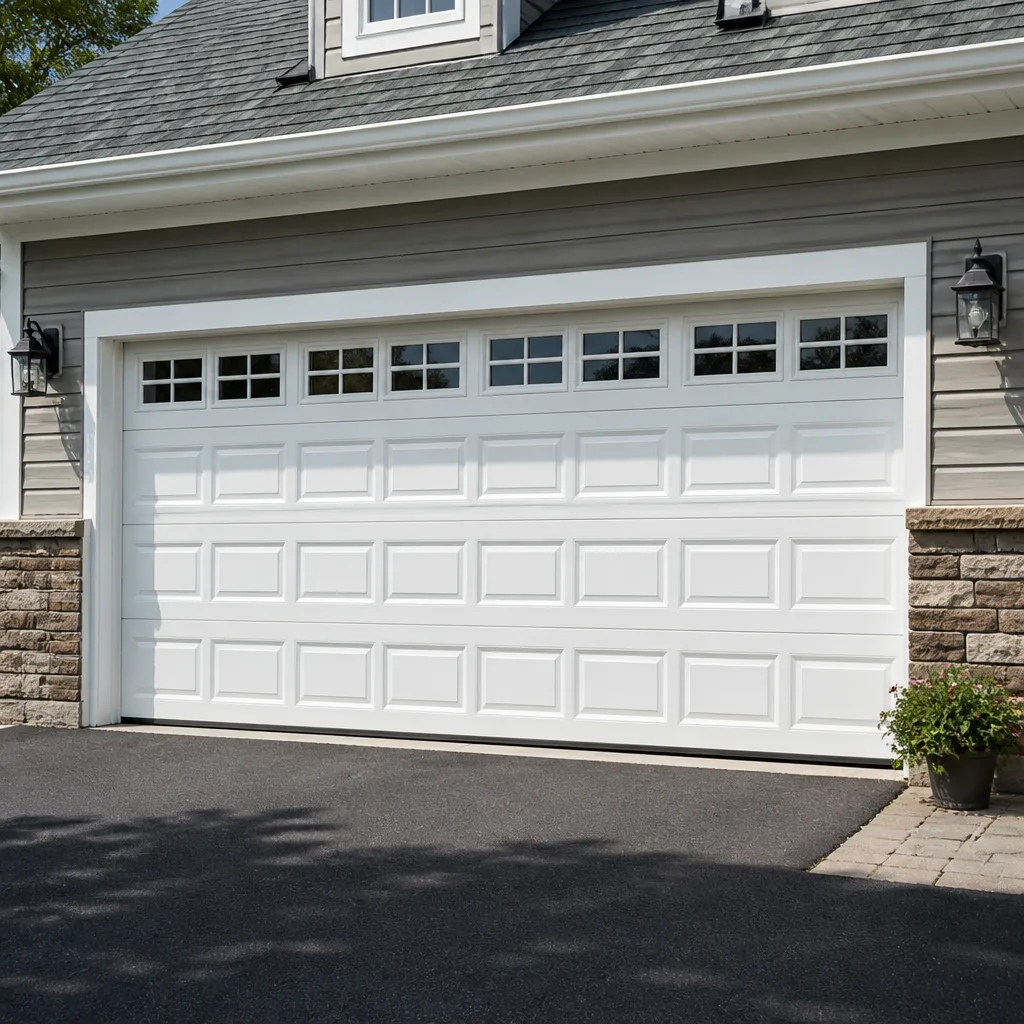 Raised-panel steel
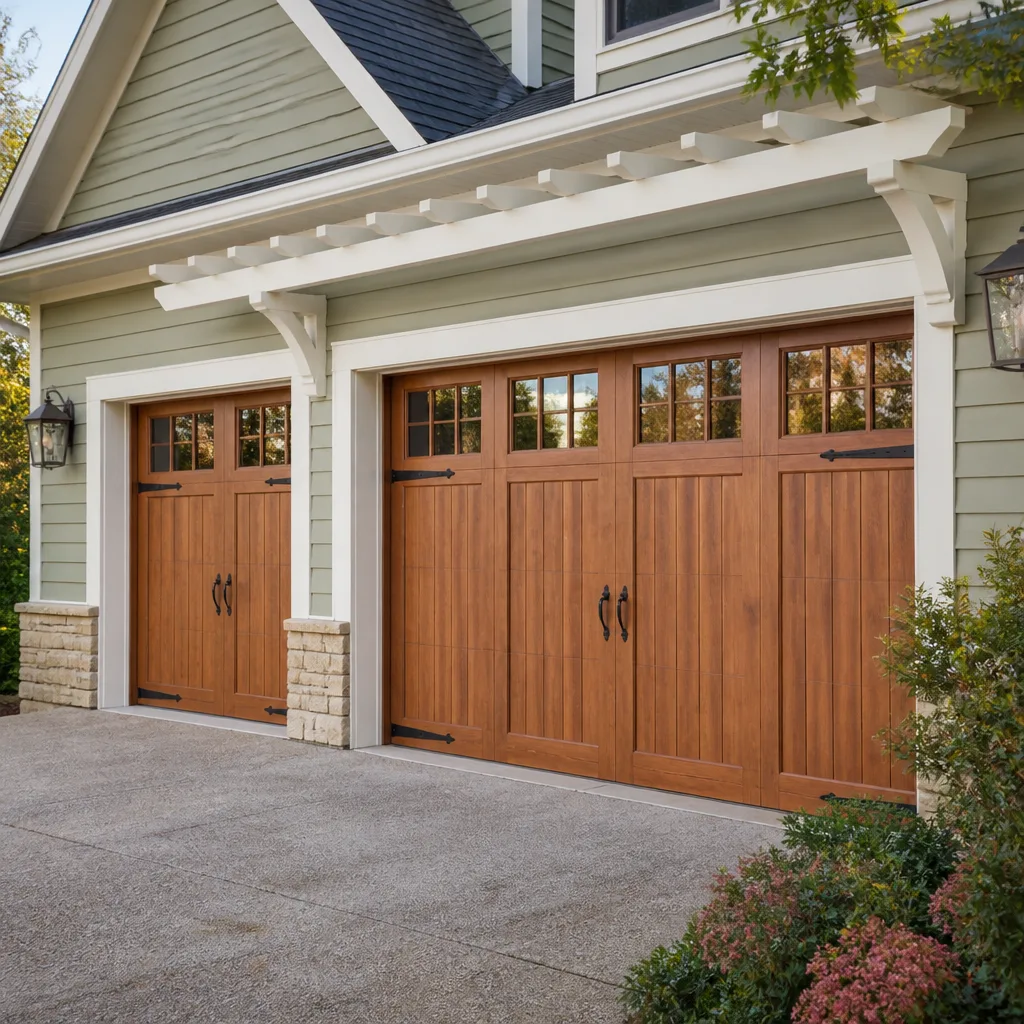 Carriage house
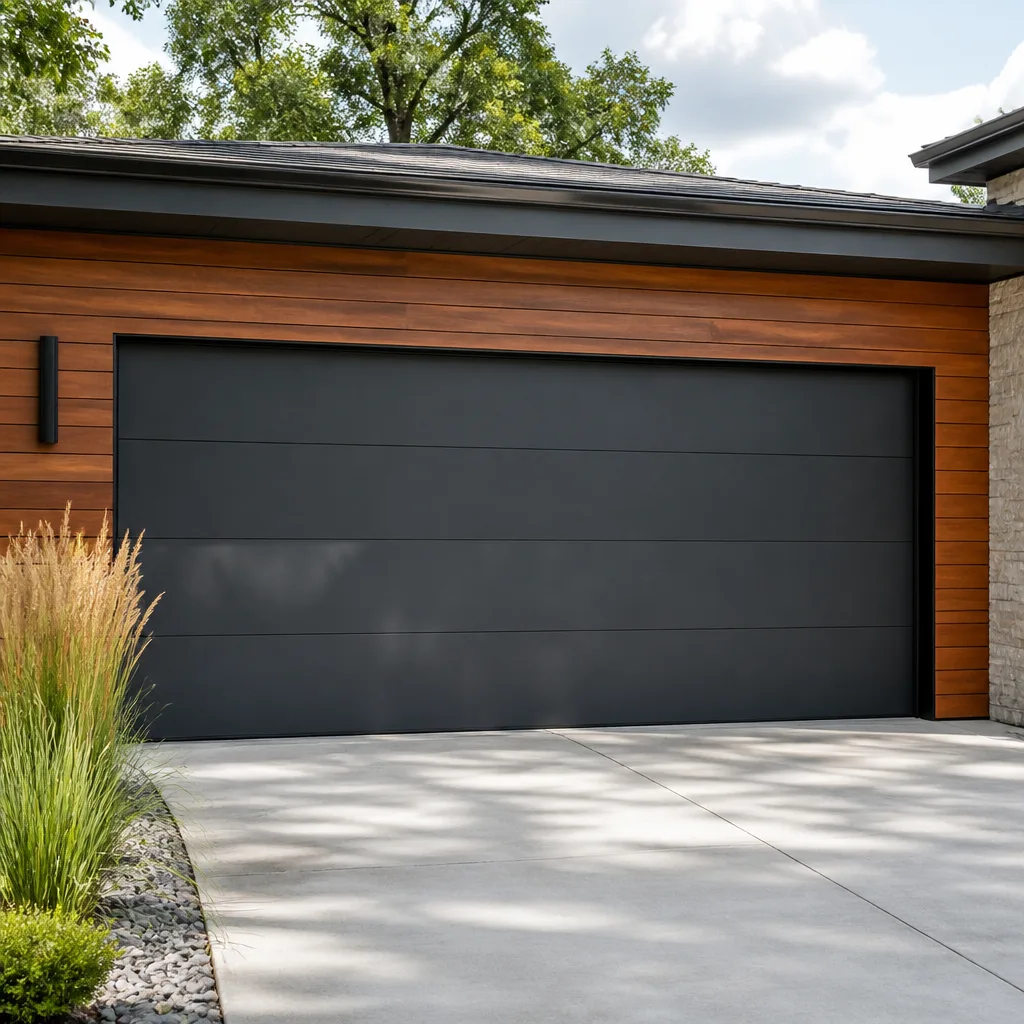 Modern flush
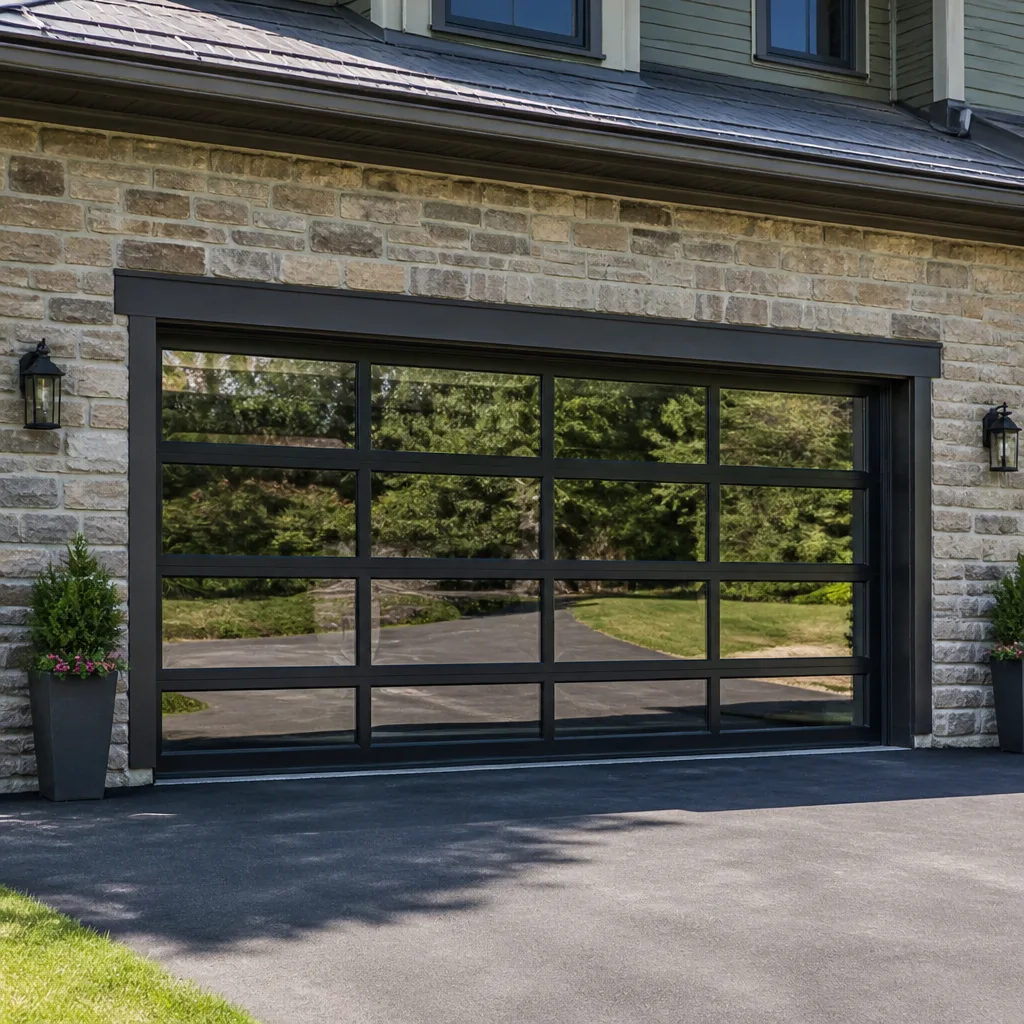 Full-view glass
 LiftMaster openers
 Chamberlain openers
Full 25-point door and opener safety check with every visit - springs, cables, rollers, tracks, and your LiftMaster or Chamberlain opener included
You get a price before we start. It does not change when the pro arrives.
Get your free estimateHow to Hire a Garage Door Contractor in Antioch: A Step-by-Step Guide
A homeowner who gets a bad garage door job rarely picked the most expensive option and got burned. They usually picked whoever answered the phone fastest and skipped three questions that would have revealed the problem immediately. The garage door is the largest moving object on a house, and it runs on high-tension springs and a drive system that has to be matched to the door’s weight. A generalist can swap a hinge. Getting a torsion spring, an opener, or a whole new door right takes someone who does this work every day. This guide shows you exactly how to tell a garage door specialist from a handyman who happens to own a ladder, with steps you can run through before anyone in Antioch touches your door.
Quick Answer
To hire a garage door contractor in Antioch, verify the contractor’s license on the CSLB website, ask five specific questions about brand familiarity, parts sourcing, warranty terms, spring sizing, and opener repair, and compare written quotes line by line rather than on total price alone. A real specialist answers all five without hesitation, carries the right license classification, and puts the warranty on the job in writing. If any of those checks fails, walk away before the work starts.
Styles & brands we work with
- Raised-panel steel
- Carriage house
- Modern flush
- Full-view glass
- LiftMaster openers
- Chamberlain openers
Table of Contents
- Why a Garage Door Specialist Beats a Generalist
- The Five Questions to Ask Before You Agree to a Quote
- How to Verify a Contractor’s License in Under Two Minutes
- Warranty on Labor vs. Warranty on the Job
- Red Flags in a Garage Door Quote
- How to Read Reviews for Garage Door Work
- How to Compare Written Quotes Line by Line
- What to Ask on the Phone Before You Book
Why a Garage Door Specialist Beats a Generalist
Garage doors are a system, not a single part, and the parts have to work together. A torsion spring is sized to the exact weight of the door, the opener’s drive force is tuned to that same weight, and the track has to be plumb and aligned or the whole thing binds. A handyman with a truck full of tools may be perfectly competent at drywall and decks, but the odds they’ve sized a spring correctly this month are low. That gap is where most bad jobs start.
Think about the three parts of the job. The door itself, whether it’s an Amarr or a Wayne Dalton panel or an older Craftsman unit, has its own hinge pattern, panel weights, and track geometry. The opener, mechanical and electronic components both, needs someone who can diagnose a logic board as readily as a stripped gear. And a new installation is a measuring, ordering, and scheduling job, not something to eyeball. A specialist moves between all three without subcontracting the awkward parts.
In our experience, the specialist advantage shows up fastest when a door is misbehaving in a way the homeowner can’t describe. A generalist will replace the most likely part and hope. A specialist has seen the symptom pattern enough times to narrow it down before unbolting anything, which means fewer callbacks and a diagnosis that holds. If you want a plain-language starting point, our Sawyer Garage Door Repair page lays out how the work is split across repair, opener repair, and installation.
Antioch’s housing stock reinforces this. A subdivision full of homes built within a few years of each other tends to have doors and openers installed within the same window, so the same failure tends to show up across a block. A local contractor who works these neighborhoods repeatedly recognizes the pattern; a generalist treats every door as a first encounter.
The Five Questions to Ask Before You Agree to a Quote
Ask these before anyone schedules a visit. The answers separate a specialist from a generalist faster than any website or review count.
- “What brands do you work on regularly?” A real specialist names specific manufacturers and can tell you about the differences between them, not just that they “work on everything.” We’ll tell you plainly that our technicians are fluent in eight major brands, including LiftMaster, Chamberlain, Genie, Clopay, Amarr, Wayne Dalton, Craftsman, and Raynor, so a Wayne Dalton door or a Genie opener isn’t new territory. If the person on the phone pauses to think about the question, that’s your answer.
- “Where do you get parts, and are they OEM or aftermarket?” This is the question that exposes a generalist quickest. A specialist knows exactly where a spring, a gear kit, or a roller comes from, whether it’s the manufacturer’s original part or a compatible replacement, and how that affects the warranty. A generalist often has to look it up mid-job or settle for whatever the hardware store stocks.
- “What’s the warranty, and what exactly does it cover?” Push for details. Labor only? Parts only? Both? And for how long on each? (More on this below.)
- “How do you size a replacement spring?” The right answer mentions door weight, cycle life, and matching the spring to the door, not just grabbing the same color-coded spring off the old one. A contractor who says “we just match what’s there” is skipping the step that determines whether the spring lasts years or months.
- “Can you repair the opener, or do you replace them?” Plenty of door companies install new openers but send repair work elsewhere. A contractor who names opener repair as a service, covering both the drive system and the electronics, is telling you they do the diagnostics themselves.
Any contractor who answers all five with specifics is worth keeping on your shortlist. Listen for the ones who don’t.
How to Verify a Contractor’s License in Under Two Minutes
California requires contractors to be licensed for work over $500 in combined labor and materials, and garage door installation and repair generally falls within the C-61 specialty classifications. The exact classification a contractor holds depends on the scope of work they perform, so don’t assume a general building license covers everything. Ask which classification they hold, then verify it yourself.
The check takes about two minutes on the Contractors State License Board (CSLB) website. Here’s how it goes:
- Go to the CSLB license lookup page and search by the contractor’s business name or license number.
- Confirm the status is “Active” and that the license hasn’t expired.
- Check the classification listed. Take note of whether it matches the work being quoted.
- Look at the “disciplined” or complaint history, if any, for patterns rather than one-offs.
- Confirm the business name on the quote matches the name on the license record.
That last step catches a common problem: a quote issued under one name by a business licensed under another. If they don’t match, ask why before you sign anything.
For homeowners in Antioch, this check matters because the market has plenty of people who do good work and plenty who don’t, and both can sound confident on the phone. A minute or two on the CSLB site filters a lot of that out. It’s a habit worth building for any trade, and garage doors are no exception.
Warranty on Labor vs. Warranty on the Job
“Warranty on labor” and “warranty on the job” sound similar but mean different things when something fails six months later. A labor-only warranty covers the technician’s time if the repair fails, but the parts themselves may be excluded, or covered only by a separate manufacturer’s warranty that you have to pursue yourself. A warranty on the job covers both the labor and the parts as one promise from one business, so a failed spring or a defective opener gear means one phone call, not two.
Here’s what to ask so you’re not guessing:
- How long is the labor warranty? Get the number, not “our standard warranty.”
- How long is the parts warranty, and is it through the manufacturer or through the contractor?
- If a part fails, who handles the claim? If the answer is “you call the manufacturer,” that’s a manufacturer’s warranty, not a warranty on the job.
- Is the warranty in writing on the quote? Verbal warranties are hard to enforce. A written one isn’t.
Pay attention to how the contractor phrases it. “We warranty our labor for X” is a labor warranty. “If the part fails within the covered period, we come back and fix it at no charge to you” is a warranty on the job. The second is stronger for you, and it’s the one to ask for in writing.
If a contractor won’t commit to a warranty in writing, that’s a signal about how they’ll behave if something goes wrong. A specialist who stands behind the work generally doesn’t mind putting that commitment on paper.
Red Flags in a Garage Door Quote
A garage door quote that comes in well under everyone else’s is usually telling you something. A spring replacement priced suspiciously low often means aftermarket parts, the wrong spring size, or a promise that wasn’t built to last. Here’s what to look for in a written quote.
- A spring price that feels like a steal. The spring is sized to the door’s weight and cycle life. Cheap aftermarket springs and mismatched sizing fail early. Ask what spring is being installed and why it fits this door.
- No part numbers or brand names on the quote. A real quote says what’s being installed. A vague one says “spring” and “hardware.”
- A quote that doesn’t distinguish one spring from a matched pair. Most doors have two springs that are replaced together. A quote that lists one price without clarifying whether it covers one spring or the pair is a quote you can’t compare to others.
- Refusal to put the price in writing before starting. The written estimate is the price. If it’s not in writing, it’s not a quote.
- Pressure to decide on the spot. A specialist who has done this hundreds of times doesn’t need to pressure you; their work speaks for itself.
- Offering to do things outside the scope. If they offer to add roofing, plumbing, or painting to the job, you’re talking to a generalist, not a garage door specialist.
None of these alone is disqualifying. But two or three together on one quote is a reason to slow down and ask harder questions.
How to Read Reviews for Garage Door Work
Reviews for garage door work read differently when the contractor is a specialist. Look for language that describes the specifics of the job rather than the general quality of the experience.
Signs of a genuine garage door specialist in reviews:
- Specific descriptions of the repair: “replaced both springs,” “adjusted the opener force,” “replaced the sensors.”
- References to brand names customers recognized: LiftMaster, Chamberlain, Genie, Wayne Dalton, Clopay.
- Mentions of the same problem recurring across homes, like a specific model of opener failing at the same age.
- Comments about the technician knowing the door or system on sight, without trial and error.
- Repeat customers who had a different job done by the same company and were happy both times.
Signs of a generalist who does doors occasionally:
- Generic praise: “friendly,” “on time,” “cleaned up nicely,” with no mention of what was repaired.
- Reviews about a long list of unrelated trades, like the same contractor fixing a garage door and repiping a bathroom.
- Complaints about the wrong part being installed or a repeat visit needed to finish the job.
- Phrases like “figured it out in the end” or “had to look up how to fix it,” which point to unfamiliarity with the system.
Also check the volume and consistency of reviews rather than any single one. A specialist will have a steady stream of door-specific feedback. A generalist’s reviews will be a mixed bag of trades with occasional door work thrown in. And if you can find reviews that mention the exact brand of your own system, read those closely; they’re the most likely to be relevant.
How to Compare Written Quotes Line by Line
Comparing quotes on total price alone is how homeowners end up disappointed. Two quotes can land within a few dollars of each other and cover very different things. Line them up side by side and check the following.
- What part is being replaced? “Spring” is not specific enough. Ask for the spring type, size, and cycle life.
- Is the price for one spring or a matched pair? Most doors use two springs that should be replaced together. A pair typically costs about twice a single spring, so a quote needs to tell you which it’s pricing.
- What brand of opener, cable, roller, or hinge is being installed? Original manufacturer parts and compatible replacements aren’t the same thing, and the price reflects that.
- What’s the warranty on labor, and what’s the warranty on parts? Separate them on paper.
- Is the estimate free? It should be. If there’s a diagnostic or trip charge, ask what it covers.
- Is the price fixed or an estimate subject to change? A written estimate sets the price. If a contractor says “we’ll see once we’re out there,” ask why.
A specialist’s quote tends to be detailed because the work is routine. A generalist’s quote tends to be vague because the work isn’t. The level of detail in the paperwork tells you a lot about the level of detail in the job.
What to Ask on the Phone Before You Book
The call is your first real test. A specialist can answer door-specific questions without looking things up. A generalist will punt to “we’ll see when we get there.” Here’s what to ask and what a good answer sounds like.
“My door is doing X. What’s the likely cause?” If the answer is a specific list of two or three possible causes and what would distinguish them, you’re talking to someone with experience. If the answer is “could be a lot of things, we’ll have to come out,” you’re talking to someone who’ll be diagnosing on your time.
“Do you work on [my brand]?” Name your brand. If they can’t confirm without checking, that’s a signal. We’ll tell you outright that we work on Amarr, Wayne Dalton, Craftsman, Raynor, and four other major brands every week, so your system isn’t a surprise.
“Can you give me a price range over the phone?” A specialist can usually give a rough range for common jobs and note that the written estimate sets the final price. A generalist often won’t give any number until they’re on-site.
“Are you licensed and insured?” Take the license number down and look it up on the CSLB site before booking.
“Who’s coming out, and what’s their experience?” A specialist will tell you about the technician’s tenure on this trade. For reference, our technicians have up to 11 years of experience, all of it on garage doors.
If you’re in Antioch and want to start with a specific service, our garage door repair page covers what to expect, and our garage door opener repair page goes deeper on opener diagnostics.
Common Mistakes to Avoid
- Hiring the first person who answers the phone. Speed of pickup isn’t a measure of skill. Ask the five questions before you commit, even if it means calling three numbers instead of one.
- Comparing quotes on total price alone. A low total often means aftermarket parts or skipped steps. Compare line by line, including what part is being installed and what the warranty covers.
- Accepting a verbal warranty. If the labor or parts warranty isn’t written on the quote, it’s not something you can rely on if a spring fails in six months. Get it in writing before the work starts.
- Skipping the CSLB check. Two minutes on the state website verifies the license status, classification, and any complaint history. Not checking is how unlicensed operators slip through.
- Assuming a general handyman is cheaper. A generalist who replaces the wrong part the first time can end up costing more than a specialist who diagnoses it correctly on the first visit.
- Ignoring the opener. When a door acts up, the opener is often assumed to be the cause. Making sure the contractor tests both the door mechanism and the opener, rather than replacing one on assumption, saves money.
- Not asking whether the price is fixed. An estimate that isn’t fixed leaves room for an invoice bigger than the quote. Ask for a written estimate that sets the price before work begins.
See the difference
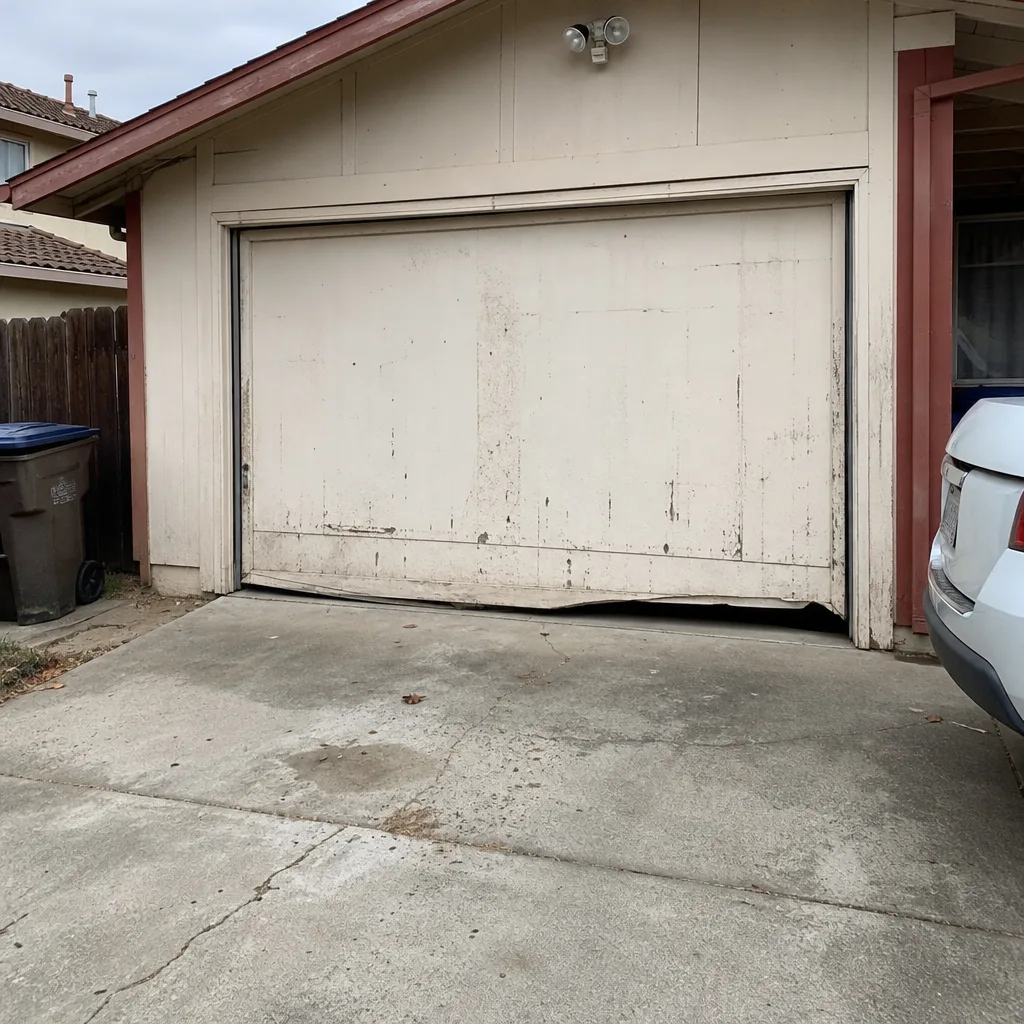 Before
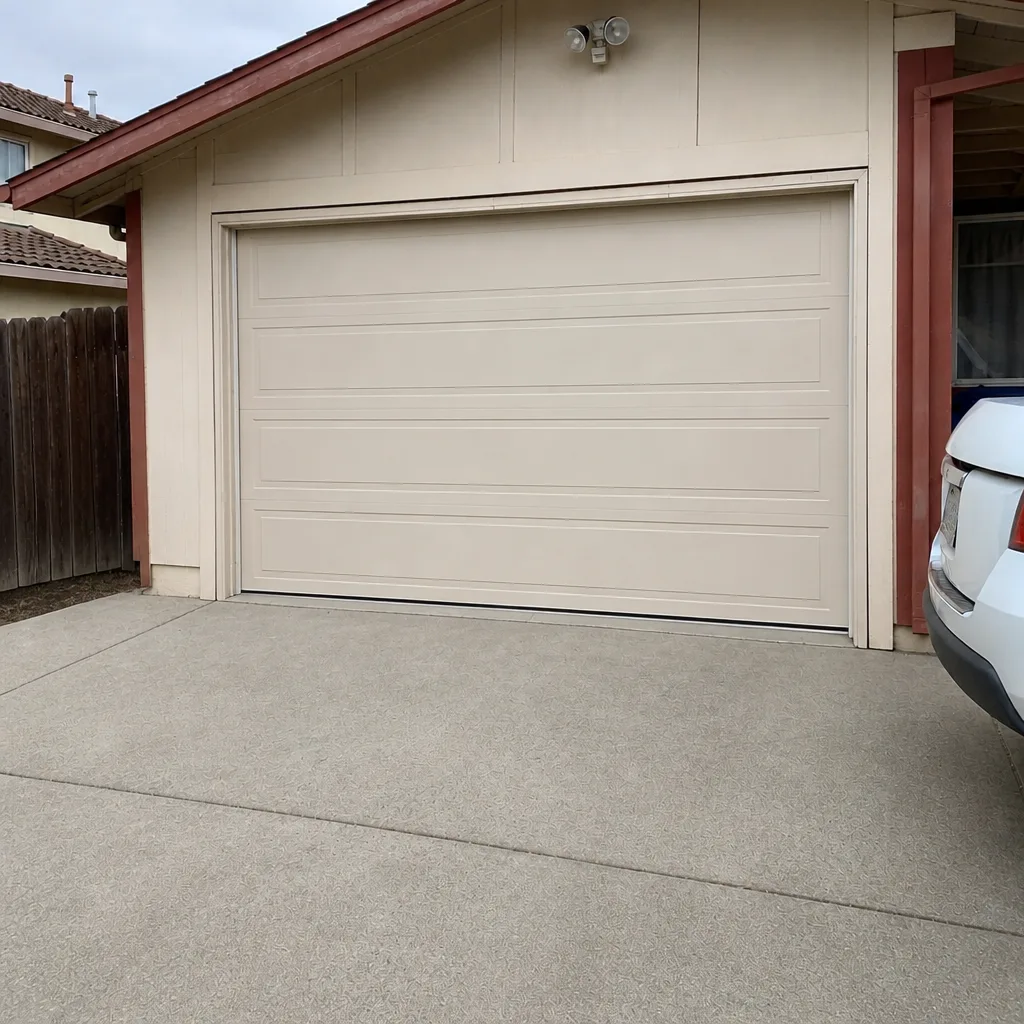 After
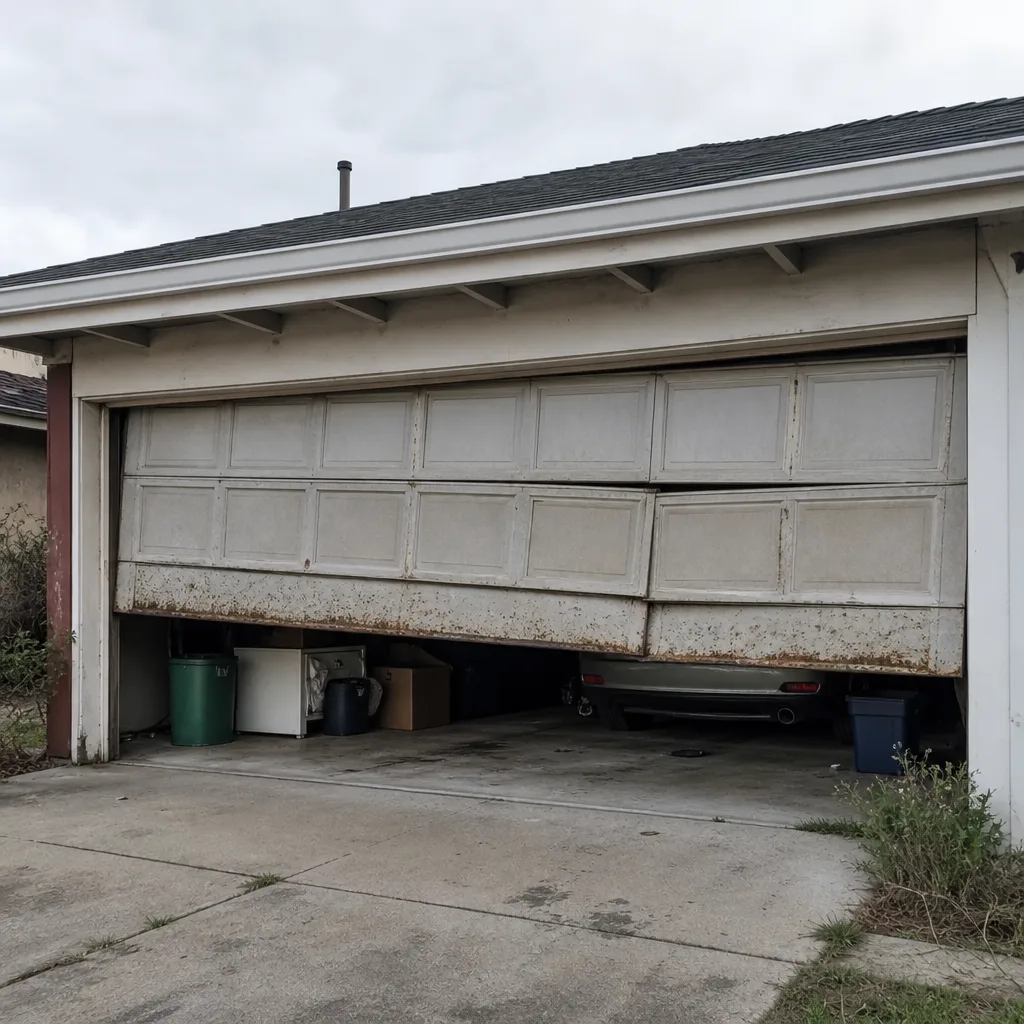 Before
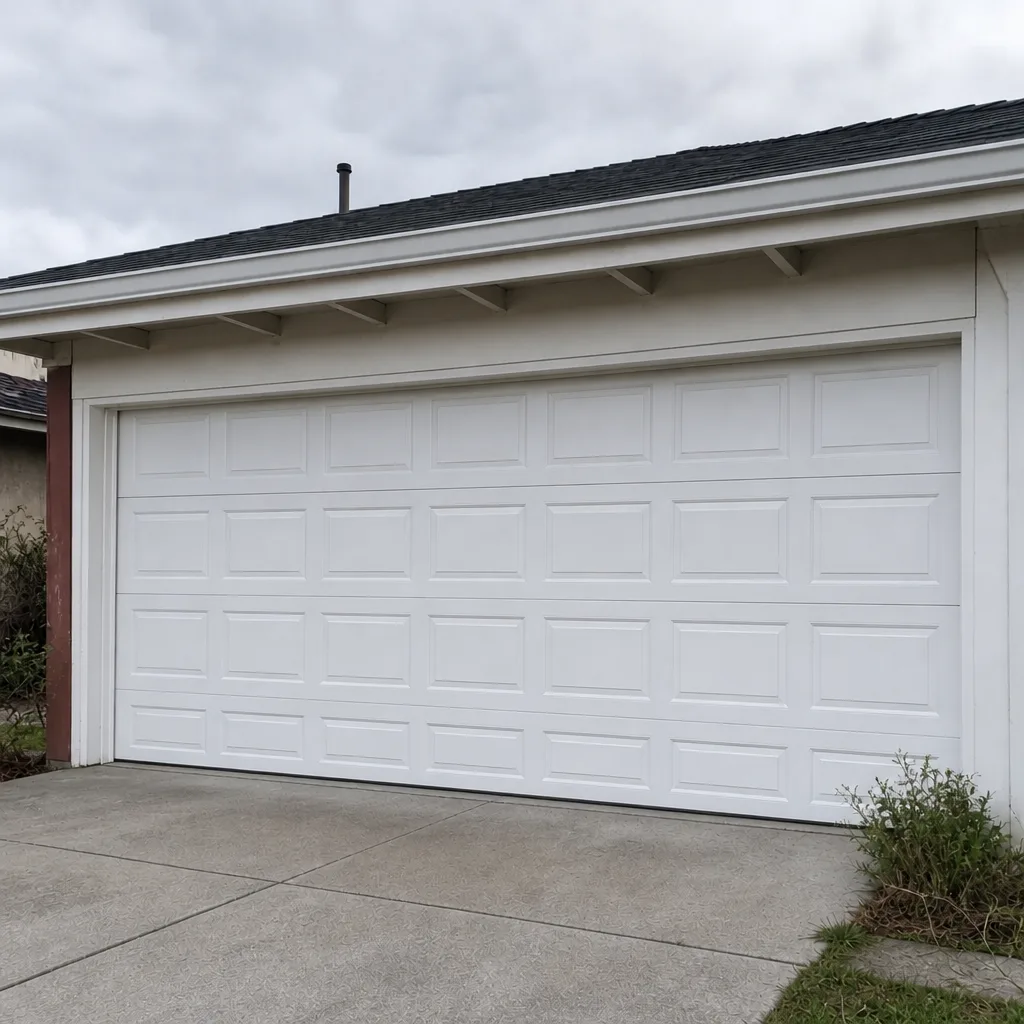 After
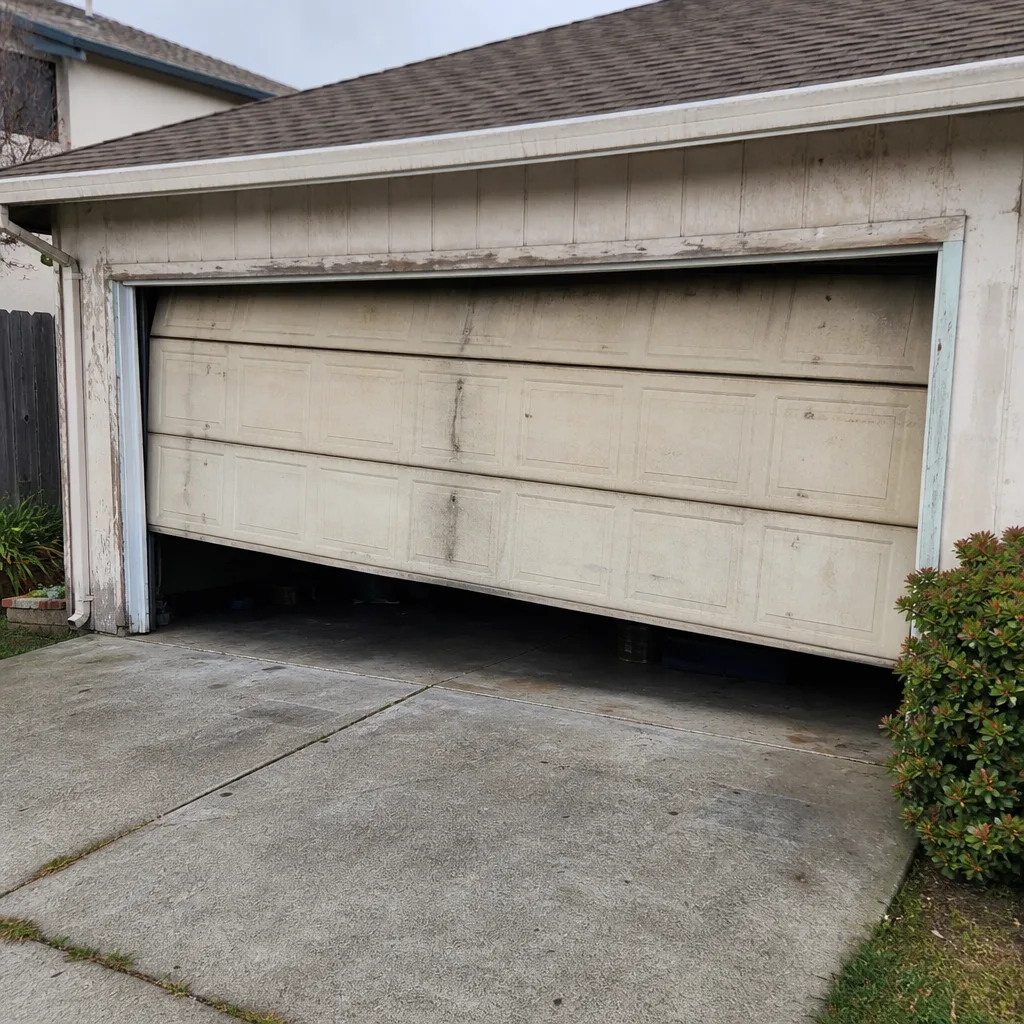 Before
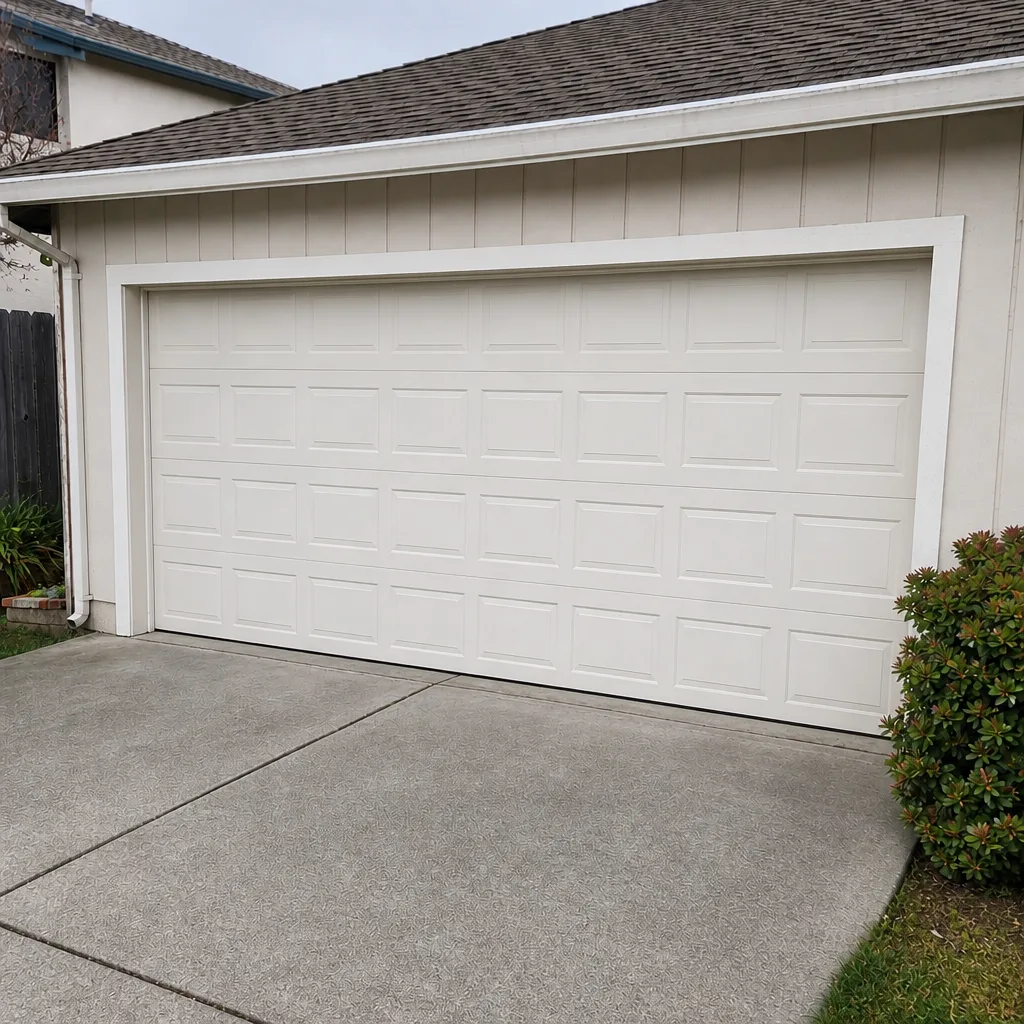 After
When to Call a Professional
Some garage door issues are fine to live with for a few days. Others need a specialist right away. Call a professional if a spring has snapped (the door will be very heavy and unsafe to lift), if a cable has come off its drum, if the door goes up crooked or binds in the track, if the opener runs but the door doesn’t move, if the safety sensors keep the door from closing, or if the door has come off its tracks entirely. Never try to adjust a torsion spring or cable yourself; they’re under extreme tension and can cause serious injury. For anything involving a broken spring or a door off its track, keep people and vehicles clear until a trained technician arrives.
Sawyer Garage Door Repair offers free estimates in Antioch. Call (866) 944-5178. We answer 24/7. Fast dispatch from 7am to 7pm, Sunday through Friday.
Frequently Asked Questions
Look up the contractor’s license on the California Contractors State License Board (CSLB) website. Confirm the status is active, check the classification matches garage door work, review any disciplinary history, and make sure the business name on the license matches the name on your quote. The whole check takes about two minutes, and it’s the fastest way to filter out unlicensed operators in Antioch.
A labor warranty covers only the technician’s time if a repair fails, while a warranty on the job covers both the labor and the parts under one promise from the contractor. The second is stronger because if a spring fails or an opener gear strips, you call one business, not a manufacturer. Ask for the warranty terms in writing on the quote before work begins. Call (866) 944-5178 if you want to talk through what’s covered.
Because a price well below the rest often means aftermarket parts, incorrect spring sizing, or a pair being quoted as a single spring. A spring is sized to the door’s weight and cycle life, and a mismatched one fails early. Ask what spring is being installed, whether the price covers one spring or a matched pair, and what warranty backs it. Call (866) 944-5178 for a written estimate that spells it out.
A garage door specialist, for anything beyond a minor adjustment. The door, spring, and opener are one system with weight-and-tension relationships that require specific knowledge. A handyman who does doors occasionally may get by on simple jobs, but spring sizing, opener diagnostics, and full installations are best handled by someone who does this work every day. If your job involves a broken spring, a door off its track, or a full replacement, call a specialist.
Look for specific repair descriptions like “replaced both springs,” references to brand names like Wayne Dalton or Genie, comments about the technician knowing the system on sight, and repeat customers with different jobs. Generic praise without job details, or reviews mentioning a long list of unrelated trades, tend to point to a generalist. Also pay attention to whether reviewers mention the same model of door or opener failing the same way in Antioch homes built in the same era.
It should name the parts being installed, the brand where applicable, whether the price covers one spring or a matched pair, the labor warranty length, the parts warranty length, and a clear statement that the written estimate sets the final price. It should not include a diagnostic or trip charge unless the business has stated one up front. Call (866) 944-5178 for a free estimate; we quote and agree the price before any work starts.
The Bottom Line
Hiring a garage door contractor in Antioch comes down to a handful of checks that take less time than the phone call itself. Verify the license on the CSLB website, ask the five questions that distinguish a specialist from a generalist, get the warranty terms in writing, and compare quotes line by line rather than on total price. If a contractor can’t name their parts, size their springs, and put the warranty on paper, they’re the wrong choice for a job this specific. The right contractor answers without hesitation, quotes in writing, and stands behind the work. Garage doors are one trade; pick someone who treats it that way. For more on how we work across the region, see our page on Antioch.
Call (866) 944-5178 for a free estimate. We answer 24/7. Fast dispatch from 7am to 7pm, Sunday through Friday. One call covers the door, the opener, and new installations, and we quote the price in writing before any work starts.
Written by the team at Sawyer Garage Door Repair.