
Last updated November 16, 2026
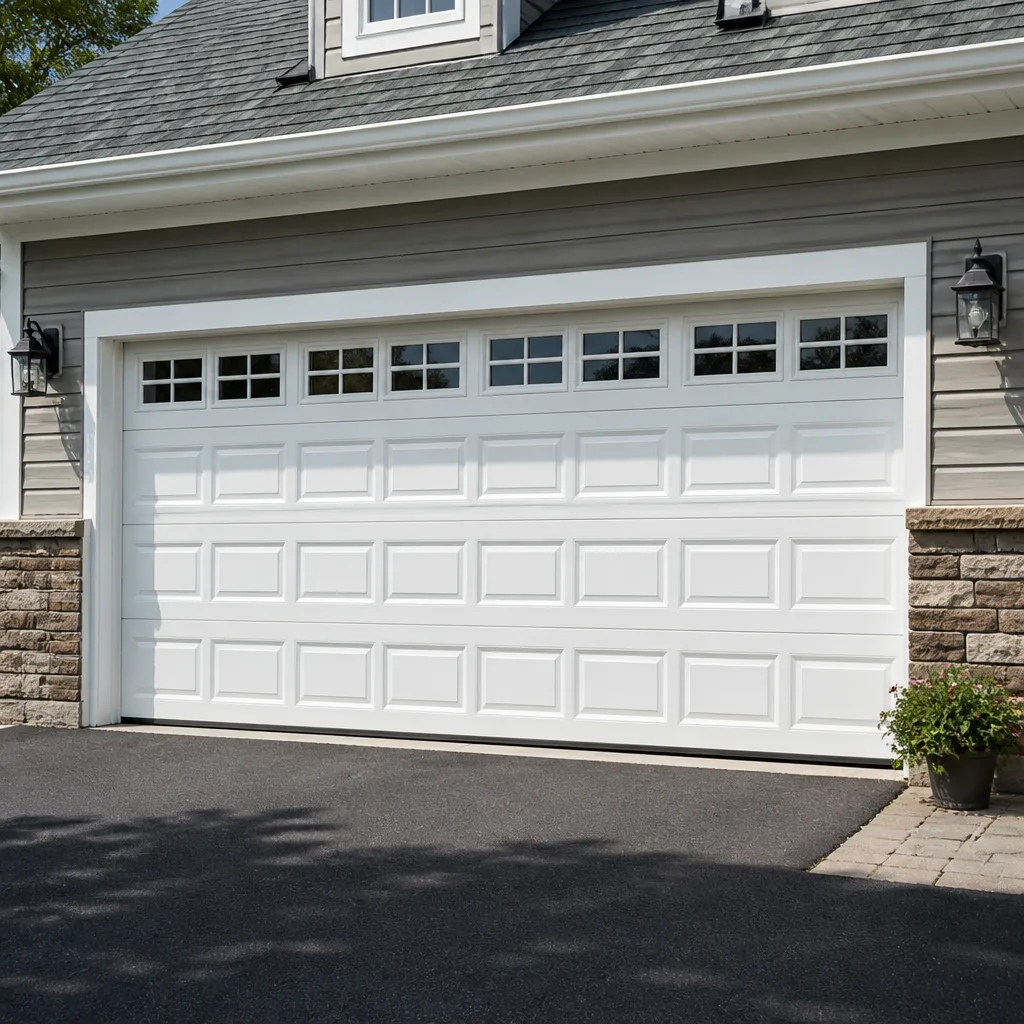 Raised-panel steel
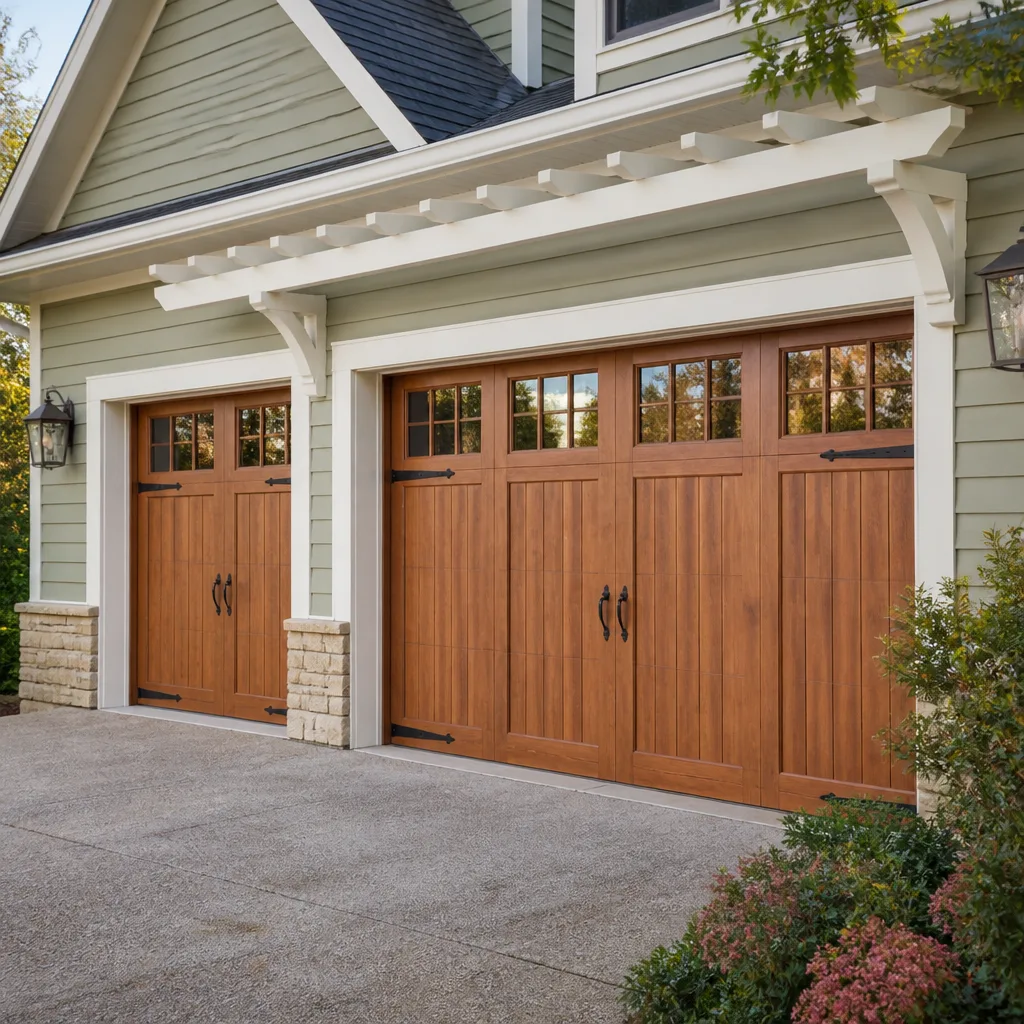 Carriage house
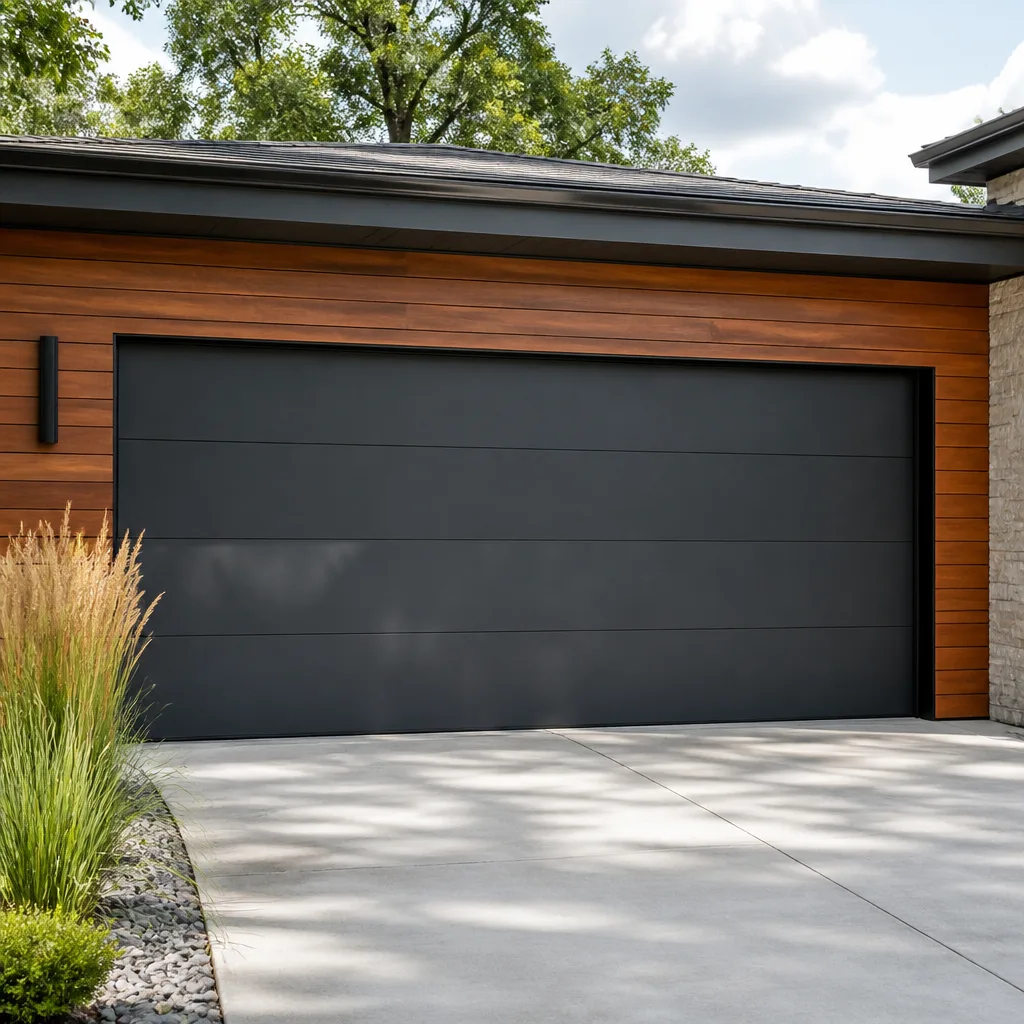 Modern flush
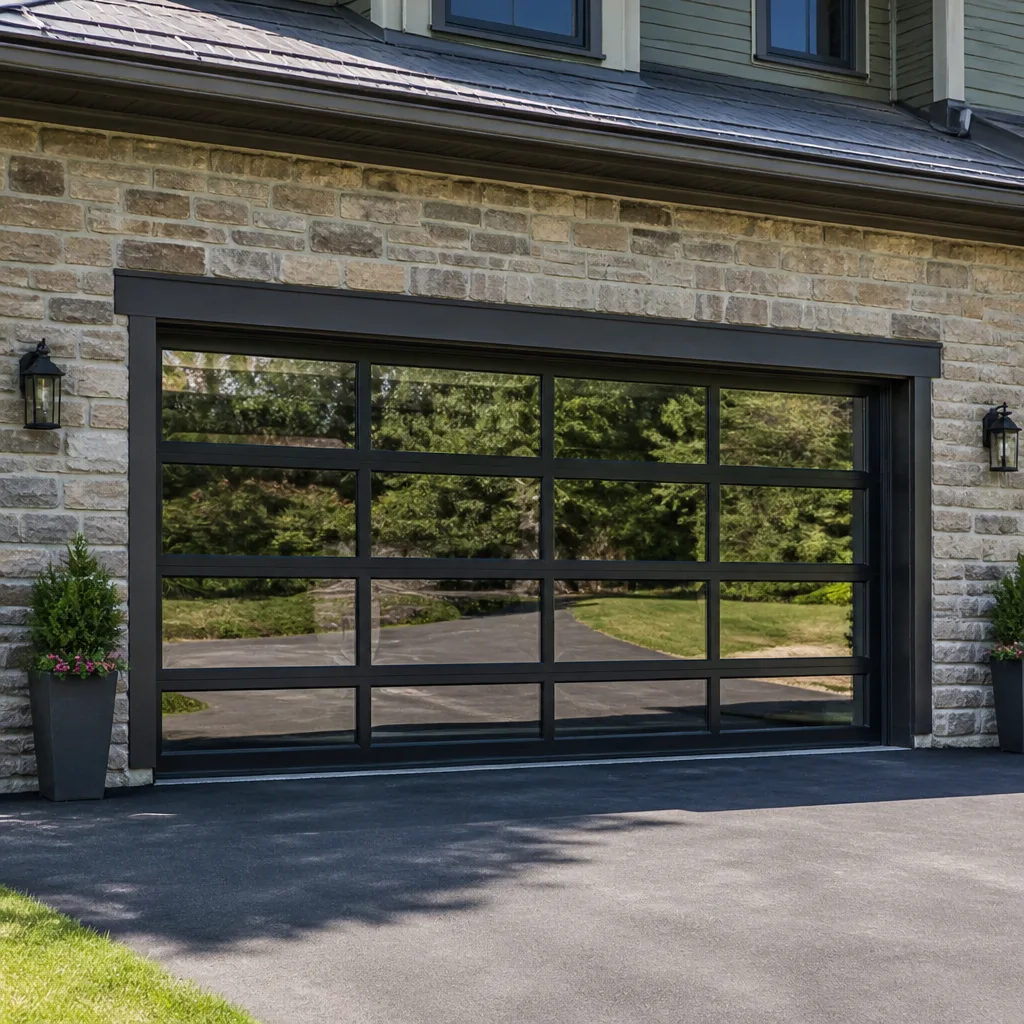 Full-view glass
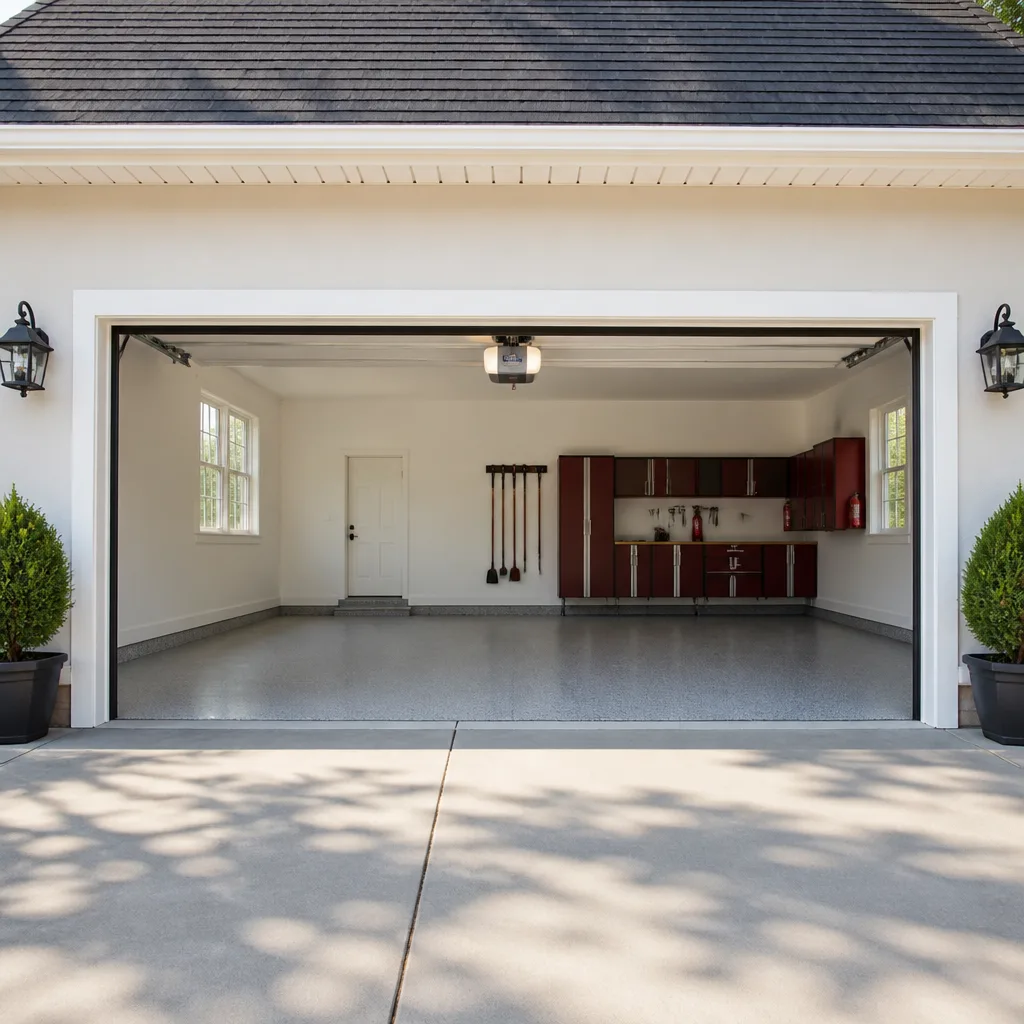 LiftMaster openers
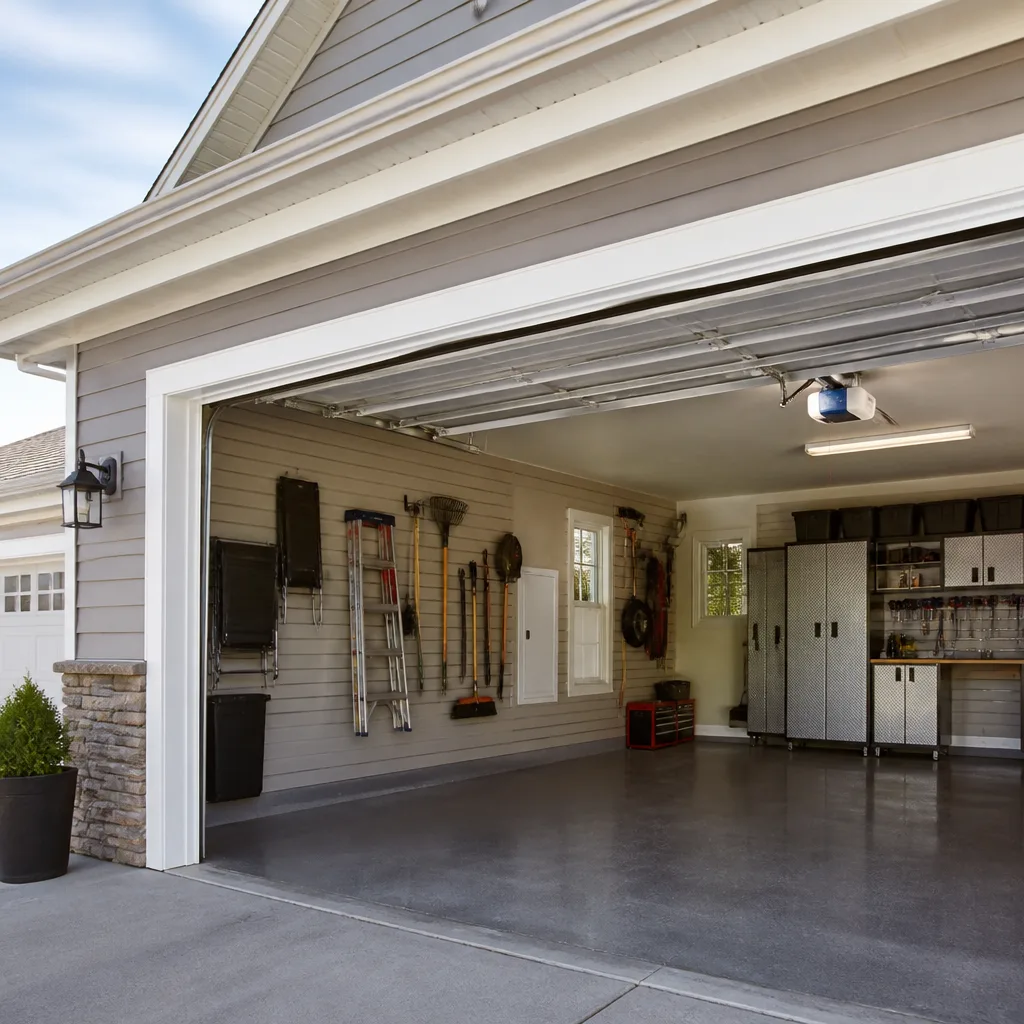 Chamberlain openers
Full 25-point door and opener safety check with every visit - springs, cables, rollers, tracks, and your LiftMaster or Chamberlain opener included
You get a price before we start. It does not change when the pro arrives.
Get your free estimateDIY vs Professional Garage Door: The Antioch Homeowner’s Decision Guide
Most DIY-versus-pro guides draw the line in the wrong place. They either tell you to call a professional for anything more complicated than pressing the opener remote, or they hand out step-by-step instructions for jobs that put a homeowner inches from hundreds of pounds of stored tension. Neither is useful. A confident DIYer can absolutely handle lubrication, sensor alignment, and even a dented panel. That same person reaching for a winding bar on a torsion spring is working with physics that doesn’t care how many videos they’ve watched. This guide sorts garage door work task by task, explains why the spring sits in a category of its own, and flags the Antioch conditions that shift the line.
Styles & brands we work with
- Raised-panel steel
- Carriage house
- Modern flush
- Full-view glass
- LiftMaster openers
- Chamberlain openers
Quick Answer
Roughly half of garage door maintenance is genuinely DIY-friendly: lubrication, safety sensor alignment, track wiping, weather seal replacement, and light panel work. Spring replacement, cable work, and any job that involves loosening a torsion system belong to a trained technician because the stored energy can cause severe injury. Everything in between comes down to your tools, your comfort with the mechanism, and whether a mistake would be recoverable.
Table of Contents
- How We Sort Garage Door Jobs Into Three Buckets
- DIY-Safe Tasks: What You Can Genuinely Handle
- Why Torsion Springs Sit in a Different Risk Category
- Mid-Range Jobs: The Tools and Knowledge That Make You Qualified
- The Hidden Cost of a Botched DIY Repair
- Why Antioch Heat and Delta Wind Change the Risk Math
- Brand Systems and Why They Matter for the Call
- Preventive Maintenance You Can Do This Month
- Common Mistakes to Avoid
- When to Call a Professional
- Frequently Asked Questions
- The Bottom Line
How We Sort Garage Door Jobs Into Three Buckets
The useful sorting question isn’t “how hard is this?” It’s “what happens if I get it wrong?” A misaligned sensor makes the door reverse and you try again. A mis-wound torsion spring releases stored energy into whatever is in its path. Same garage, completely different consequence. That’s the distinction most online guides blur. We split every common garage door task into one of three categories based on the severity of a mistake, not the difficulty of the correct procedure.
Bucket One: DIY-Safe
These jobs have reversible outcomes. If something goes wrong, the door stops working, you notice, and nothing hurts. A mistake costs you time or a small part, not a hospital visit. Most routine maintenance lands here, and we encourage homeowners in Antioch to handle it because it extends the life of the door and catches small problems early.
Bucket Two: Requires Caution
These jobs are doable for a careful homeowner but involve parts under moderate tension or precise adjustment. The margin for error is narrower. A bad roller swap can leave the door jumping on its track. A weather seal installed with the wrong gap invites water and pests. You can attempt these if you have the right tools and a willingness to stop when something feels wrong.
Bucket Three: Do Not Attempt
Any task that requires releasing, winding, or repositioning a torsion spring, lifting cable, or the drums those cables wrap around belongs here. So does anything involving the opener’s internal wiring or the electrical panel feeding it. These components hold stored energy or line voltage, and a mistake can cause serious injury. The rest of this guide explains why each one sits where it does.
DIY-Safe Tasks: What You Can Genuinely Handle
Start with the jobs that don’t ask you to touch stored energy. These are maintenance tasks, and they’re the ones that keep everything else working longer. A few minutes of lubrication a couple of times a year is the single highest-return thing a homeowner can do to a garage door. We see fewer worn rollers, quieter operation, and slower track wear on doors that get consistent attention.
Seasonal Lubrication
Wipe the tracks down with a dry cloth first, then apply a silicone-based lubricant to the rollers, hinges, and the spring coil itself. Avoid grease on the tracks. Grease collects dust and grit in a garage environment and turns into an abrasive paste that wears rollers faster than no lubricant at all. Do the springs, hinges, and bearing plates every few months.
Safety Sensor Alignment
The two small sensors at the base of the track exist to reverse the door if something crosses the beam. If they’re knocked out of line, the door won’t close. Look for a small indicator light on each sensor. If one is lit and the other isn’t, adjust the receiving sensor until both are lit, then test by waving an object through the beam while the door is closing. It should reverse.
Weather Seal Replacement
The rubber flap at the bottom of the door wears out and lets in daylight, water, and insects. A new seal slides into the aluminum retainer and takes minutes to fit. Press the door closed first, measure the gap, and cut the new seal slightly long. A snug fit beats a loose one every time.
Light Panel and Cosmetic Work
Replacing a bent or dented bottom panel, touching up paint, and wiping down the interior tracks are all fair game. These don’t affect the door’s counterbalance or the opener’s load. If a panel has to come out entirely, work with the door in the fully open position so the spring tension is where it normally sits during use.
Why Torsion Springs Sit in a Different Risk Category
A torsion spring stores the energy required to lift the entire door, sometimes 200 pounds or more. When it’s wound, that energy sits in the steel itself. When the spring breaks, the energy goes somewhere, and when a homeowner releases it accidentally while trying to remove or install a spring, the same thing happens. This is why spring replacement is the one garage door task where the sort-between-DIY-and-pro question stops being a judgment call.
What Actually Happens in a Spring Accident
Two things go wrong in a spring accident, and both are worth understanding rather than fearing. First, the winding bars used to tension the spring can slip from the cone, and the spring snaps back with the full stored force. Second, the spring itself can fail while under load and throw or strike whatever is nearby. These events aren’t rare enough to be treated as a fluke, and they aren’t common enough to be casual about. The honest way to say it is: this task doesn’t have a mid-level version where a careful homeowner can be reasonably safe. It has a trained-professional version.
Why Cables Belong in the Same Bucket
The cables wrapping the drum at each end of the torsion shaft carry that same stored load. A cable under tension that snaps or comes free can cause a serious injury, and it can also let the door drop. A garage door repair professional works with the door in a secured, clamped position while handling the cables. That’s part of the procedure, not a flourish. In our experience, most cable failures we’re called out to involve a homeowner who tried to adjust or rewrap a single cable without locking the door.
The Warning Signs That Mean Stop Now
- A loud bang from the garage, followed by a door that feels very heavy when you lift it manually
- A visible gap or split in the spring coil
- A door that sits crooked with one side lower than the other
- Cables hanging slack, kinked, or wrapped crookedly on the drum
- A door that closes hard and springs back up before it hits the floor
Any of these mean the door is no longer balanced. Stop using the opener. The motor will strain against the extra weight and overheat, and the door itself may be unstable. Call a specialist before the problem spreads to the opener and the hardware.
Mid-Range Jobs: The Tools and Knowledge That Make You Qualified
The middle bucket is where honest homeowners live. These are the jobs that feel like they should be DIY and almost are, provided you have the right tools and the right baseline understanding. The boundary isn’t about confidence. It’s about whether you can recognize when the job has turned into something else. Most of the expensive repairs we see in Antioch start with a homeowner who crossed that line and didn’t notice.
Roller Replacement
Rollers wear out every several years. A bad roller makes a door noisy and jumps on the track. On most doors, the roller swap is straightforward: bend the track hinge gently, slip the old roller out, slide the new one in. The caution is that on a torsion door you never do this with the door in the raised position, and on any door you never remove more than one roller at a time. Number of rollers, not force, is the safety margin.
Cable Drum Inspection (Not Removal)
You can absolutely look at a cable drum and notice when something is wrong. You should not remove one. The distinction matters. Inspecting means the door is closed, you’re shining a light at the drum on each end of the shaft, and you’re looking for slack, kinks, or a cable that isn’t wrapping evenly. If the answer is “something looks wrong,” that’s the moment to stop and call.
Hinge and Bracket Tightening
Hinges loosen over time, and a loose hinge produces rattle and premature metal wear. Tightening them with a socket wrench is DIY territory. The exception is the bracket at the bottom of the door where the cable attaches. Never loosen or remove that one; it’s holding cable tension.
The Tools That Actually Matter
A homeowner who wants to do mid-range garage door work needs a socket set, a proper set of winding bars (never a screwdriver or pliers), a rubber mallet, a level, and a set of clamps. Without those, DIY projects turn into leverage experiments, and leverage experiments on a garage door are how people lose fingers. If the tools aren’t there, the job is out of DIY range, no matter how confident you feel.
The Hidden Cost of a Botched DIY Repair
The visible cost of a DIY garage door repair is the part you bought at the hardware store. The hidden cost is everything that happens to the rest of the system because the job was done slightly wrong. In our experience across Antioch, most callbacks and premature replacements trace back to a partially completed repair that seemed to work for a few months and then stopped. Here’s what that looks like.
Voided Opener Warranty
Openers fail when they fight a door that’s out of balance. A homeowner who replaces a roller or hinge set and doesn’t re-level the door leaves the opener doing extra lifting work. The motor runs hot, the gear wears unevenly, and the opener fails inside its expected life. Manufacturers see that pattern, and an opener that shows symptoms of fighting an unbalanced door sits in a gray zone for warranty coverage. The repair costs more than the opener’s value in displaced hardware.
Accelerated Hardware Wear
A door that’s a quarter inch out of alignment still closes. It just closes harder. The rollers wear faster on one side. The hinges loosen. The spring takes extra cycles because the door is dragging. None of that shows up on day one. It shows up six months later, and by then you’re paying for hardware you wouldn’t have needed if the original adjustment had been right.
The Repair That Costs More Than the Original Job
Some DIY garage door repairs finish in a way that traps the homeowner. A door that’s been manually wound and re-wound incorrectly can need the springs replaced, the cables rewrapped, and the door realigned before it’s usable again. The professional visit that follows costs more than it would have if the call had come first, because there’s now disassembly in front of the repair. That’s the pattern we warn about most often: the pro call after a DIY attempt is rarely cheaper than the pro call before it.
Why Antioch Heat and Delta Wind Change the Risk Math
Antioch summers push into triple digits, and the Delta wind that funnels through the area puts steady lateral load on garage doors. Neither is catastrophic on its own, but each changes what counts as “done correctly” for a garage door job. A task that’s DIY-safe in a mild climate gets a narrower margin in Antioch, and the guides written for average US conditions don’t always account for it.
Heat Affects Metal and Lubricant
Heat expands metal slightly and softens lubricants. Springs that sit inside a garage hitting 110 degrees are working in a harsher cycle than they would in a cooler region. That means lubrication is more important here than most general maintenance advice suggests, and it also means a spring that’s slightly under-tensioned on a mild day can read as noticeably off on the hottest days of the year. A job that felt fine in April can start feeling wrong in August. If you’ve adjusted anything yourself, recheck it as temperatures climb.
Delta Wind and Door Alignment
The Delta breeze is a real load on a garage door, especially on a wide single-car door facing the wind. Doors that are properly tracked hold up. Doors that are a fraction out of alignment develop noise, vibration, and uneven roller wear over a single windy season. That’s why we put more emphasis than most guides do on checking roller alignment and track straightness before assuming a small repair is finished. A door that sounds fine on a still day can rattle audibly once the afternoon wind picks up, and that rattle is a signal the alignment isn’t there.
What That Means for DIY Decisions
- Re-lubricate springs and hinges more often here than the general twice-a-year advice suggests, especially before summer
- Test rollers and alignment on a windy afternoon, not a calm morning, if you want to know how the door actually behaves
- Treat any new rattle during Delta wind season as alignment wear rather than noise to ignore
- Don’t complete a mid-range repair without a final test where you listen for evenness, not just function
Brand Systems and Why They Matter for the Call
Garage doors and openers aren’t interchangeable. A LiftMaster opener has different electronics than a Genie, and the door itself from Clopay or Amarr has its own panel geometry and track design. That matters for DIY because instructions written for one brand can be actively wrong for another. It matters for a professional call because you want someone who already knows the system, not someone learning it in your driveway.
When the Brand Sends You to a Specialist
Some jobs are brand-neutral. Lubrication, sensor cleaning, weather seal replacement. Those don’t care what’s on the door. Other jobs aren’t. Opener travel limits, force settings, remote pairing, and safety reverse adjustments are set differently depending on whether you’re looking at a LiftMaster, a Chamberlain, or a Genie. Attempting an opener adjustment without the correct manual for that exact model is one of the most reliable ways to leave an opener in a state where the door reverses on its own or doesn’t reverse when it should.
Our Approach to Brand Coverage
We work on equipment from eight manufacturers: LiftMaster, Chamberlain, Genie, Clopay, Amarr, Wayne Dalton, Craftsman, and Raynor. In practice that means when you call Sawyer Garage Door Repair, we’re already fluent in the opener or door that’s in your garage. No “I’ll have to look that up.” No subcontracting the electronics. Opener repair is a named service for us, not a task we hand off, and that’s a big part of why the diagnostic side of a garage door repair visit goes quickly. Our technicians have up to 11 years of experience, and every one of those years is concentrated in garage doors rather than spread across general home repair.
Preventive Maintenance You Can Do This Month
The best way to avoid the DIY-versus-pro decision entirely is to keep the door from getting to the point where you’re deciding. Most of that work is in the DIY-safe bucket. A few minutes a month, plus a longer pass each season, keeps the door quieter, the opener cooler, and the springs lasting closer to their expected life. These are the specific checks we’d suggest running through in Antioch.
- Lubricate the springs, hinges, and bearing plates with a silicone-based lubricant. Skip the tracks; they should be clean and dry.
- Test the safety reverse. Place a roll of paper towels on the floor in the door’s path and close it. The door should reverse on contact. If it doesn’t, stop using the opener and call.
- Test the photo-eye sensors. Wave an object through the beam while the door is closing and confirm reversal.
- Look at the springs. Shine a light on the coil and check for a visible gap or stretch. Any sign of a break means the door is no longer balanced.
- Listen on a windy afternoon. Any new rattle or squeal during Delta wind indicates roller or track wear worth investigating.
- Check the bottom seal for daylight or water intrusion after rain. A worn seal is a five-minute swap.
- Watch the door for hesitation as it opens or closes. A door that pauses, jerks, or slows near the top is telling you the balance is off.
- Clear the tracks of leaves, grit, and cobwebs. A clean track is a quiet track.
Running through that list once a season catches almost every problem before it becomes a repair call. When a check fails, that’s the moment to sort the problem into the three buckets and decide honestly which one it belongs in.
Common Mistakes to Avoid
- Using a screwdriver instead of winding bars on a torsion spring. This is the single mistake that causes the worst injuries in this trade. No homeowner should ever be near a wound torsion spring without the correct tools and training, and neither should a screwdriver with a handle taped on.
- Greasing the tracks. It feels like it should help. It doesn’t. Grease attracts dust and grit in an Antioch garage and turns into an abrasive paste that wears rollers faster than a dry track.
- Running the opener on a door with a broken spring. The motor is designed to lift a balanced door, not a 200-pound slab of aluminum and steel. It will overheat the motor and damage the gear before it actually moves the door.
- Adjusting the opener’s force settings to “fix” a hard-closing door. If the door feels heavy, the problem is in the door, not the opener. Raising the force setting masks the symptom and stresses the opener until it fails.
- Removing more than one roller at a time. Multiple rollers off the track with the door in any position other than fully closed is how a door falls. One at a time, door closed, always.
- Ignoring Delta wind rattle. A door that only rattles in windy conditions is telling you the alignment has drifted. Deferred, that becomes uneven roller wear and occasionally a jumped track.
- Assuming a new hardware set “fixed” the balance issue in summer heat. Recheck the door’s feel once temperatures are back in the triple digits. Heat changes what “balanced” feels like, and an adjustment made in spring may need a second look.
When to Call a Professional
Call a professional immediately if you’re looking at a broken spring, a slack or kinked cable, a door that’s noticeably crooked, or a door that has come off its track. Those situations are all in the do-not-attempt bucket, and every hour spent using the opener before the call does additional damage to the motor and the hardware. Also call if an opener reverses on its own, refuses to close, or behaves differently day to day, since those point to electronics and travel-limit problems that won’t resolve themselves. If you’ve gotten partway through a mid-range job and something feels wrong, that’s the right moment to stop rather than push through, because the pro call after a partial repair is rarely cheaper than the pro call before it. We answer 24/7. Fast dispatch from 7am to 7pm, Sunday through Friday, and if the door fails outside those hours we’ll book it into the next opening. If you’re in Antioch, a free estimate starts with a call to (866) 944-5178. Whether it’s a spring, an opener, or the door itself, garage door opener repair or full replacement, one call covers the job.
Frequently Asked Questions
No, and this is the one garage door task we’d never suggest a homeowner attempt. Torsion springs hold hundreds of pounds of stored energy, and the winding process requires specific bars, the door secured in a clamped position, and training to recognize when the spring is winding incorrectly. A slip during winding can cause severe injury to hands, arms, and the face. Call a specialist: (866) 944-5178, free estimates.
Lubrication, safety sensor alignment, weather seal replacement, cosmetic panel work, and hinge tightening are all genuinely DIY-safe. They have reversible outcomes and don’t touch stored energy. Roller replacement and cable drum inspection are doable for a careful homeowner with the right tools, but each has a narrow margin and specific steps that remind you to stop and call if something feels wrong. The estimate is free if you want a professional opinion on a borderline job.
It depends on the cause. If the safety sensors are misaligned or blocked, that’s a DIY fix: look for the indicator lights and adjust until both are on. If the sensors are fine and the door still won’t close, the issue is usually a travel-limit setting, a force setting, or a failing logic board, all of which are brand-specific and easy to get wrong. That’s the moment to call. We work on LiftMaster, Chamberlain, Genie, and five other brands routinely, so the diagnosis is fast. Call (866) 944-5178.
It can affect your opener’s warranty coverage in specific situations, usually when the repair leaves the door unbalanced and the opener strains against the extra load. Manufacturer warranty terms vary, so read your owner’s manual. The practical advice is: any adjustment that affects balance (springs, cables, hinge geometry) should be left to a professional, and any adjustment that affects the opener’s settings should follow the exact manual for that model. If you’re unsure whether a task is warranty-sensitive, ask us when you call for an estimate.
It makes it harder to judge. Heat expands metal and softens lubricant, so a door that feels properly balanced in cool weather can behave differently in triple-digit heat. Springs work in a harsher cycle here, which means lubrication needs to be consistent and a recheck after a repair matters more than it would in a mild climate. The task itself doesn’t change, but the tolerance for imprecision does, and that’s why we test doors through a full cycle before calling a repair finished.
We work on eight major brands: LiftMaster, Chamberlain, Genie, Clopay, Amarr, Wayne Dalton, Craftsman, and Raynor. In practice that covers nearly every residential system we encounter in Antioch, so there’s no need for a brand-specific contractor and no “we’ll have to look at the manual” delay. If your equipment is one of those eight, we’re already fluent in it. If you’re not sure which brand you have, that’s fine: the model plate is on the opener head or inside the door’s top panel.
The Bottom Line
The DIY-versus-pro question doesn’t have one answer for a garage door, and any guide that pretends it does is missing the point. The boundary is set by consequence, not confidence. Lubrication, sensor adjustment, weather seals, and panel work are genuinely yours to handle, and doing them consistently is what keeps the door out of the repair shop. Springs, cables, and opener electronics belong to a trained specialist because the consequences of a mistake are severe and the tools are specific. In Antioch, summer heat and Delta wind narrow the margin on the middle bucket, so recheck anything you adjust. When it’s time to call, Sawyer Garage Door Repair offers free estimates in Antioch: (866) 944-5178. We answer 24/7. Fast dispatch from 7am to 7pm, Sunday through Friday.
Written by the team at Sawyer Garage Door Repair.
See the difference
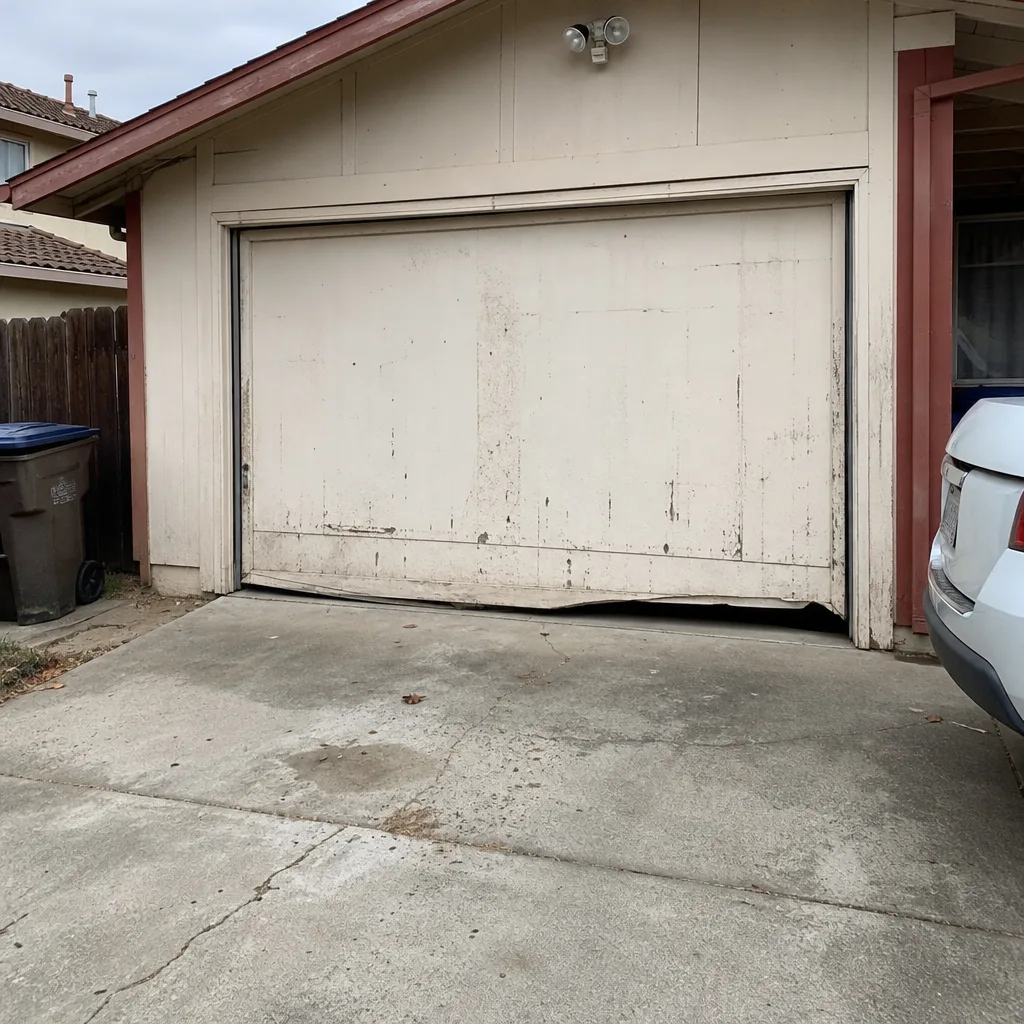 Before
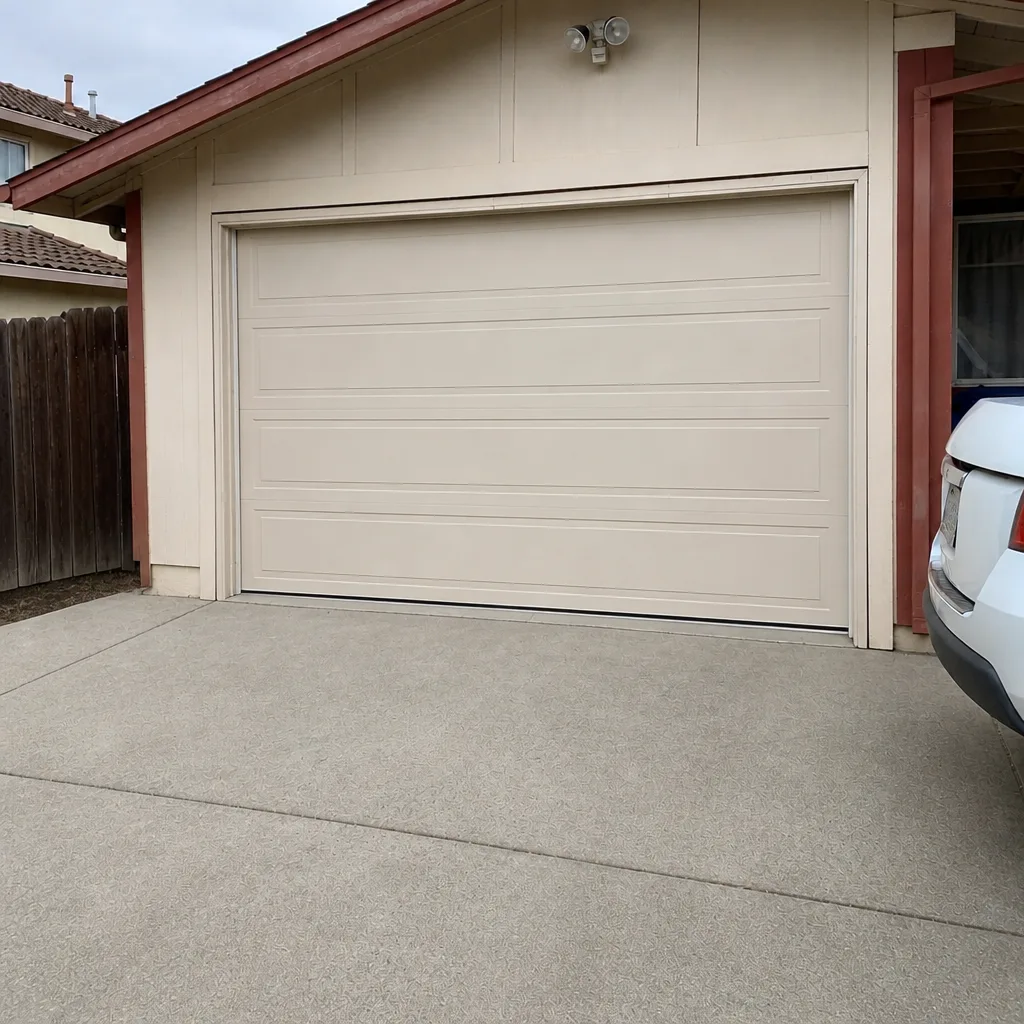 After
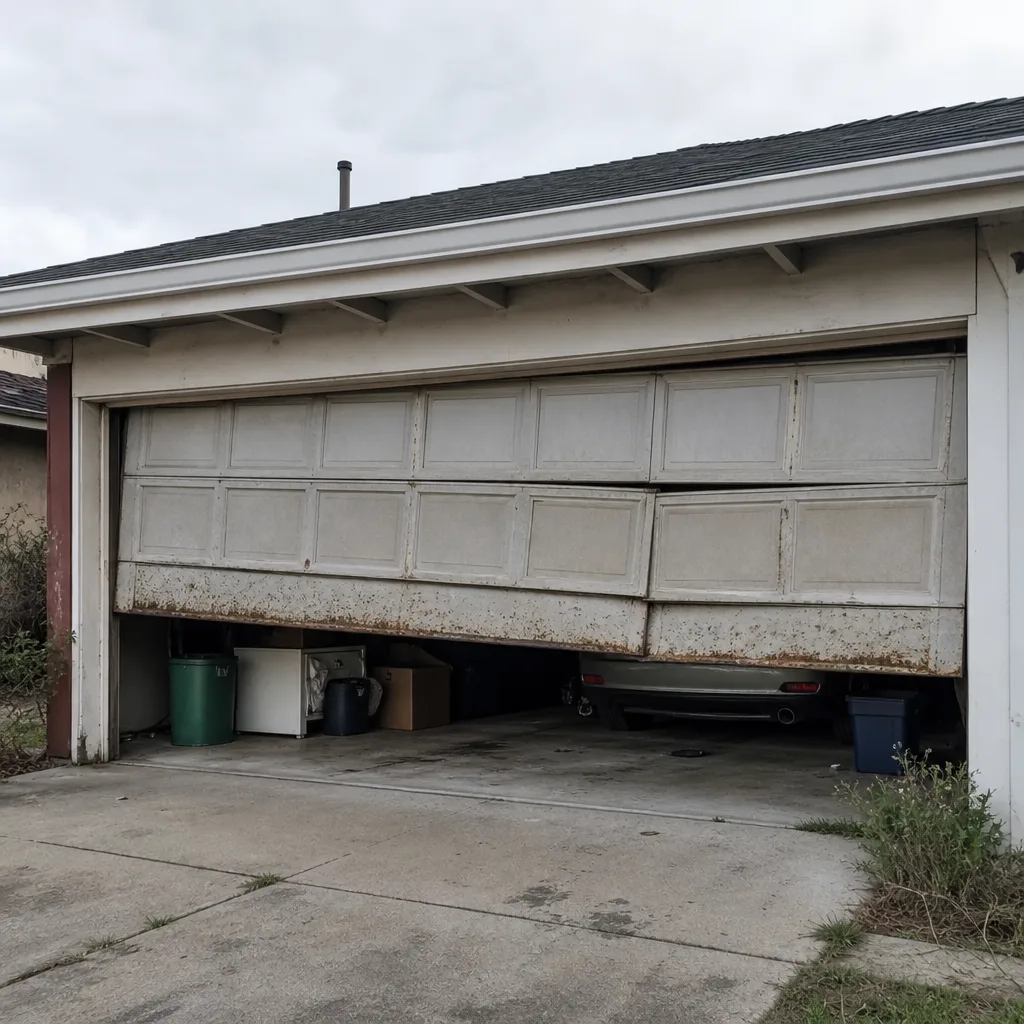 Before
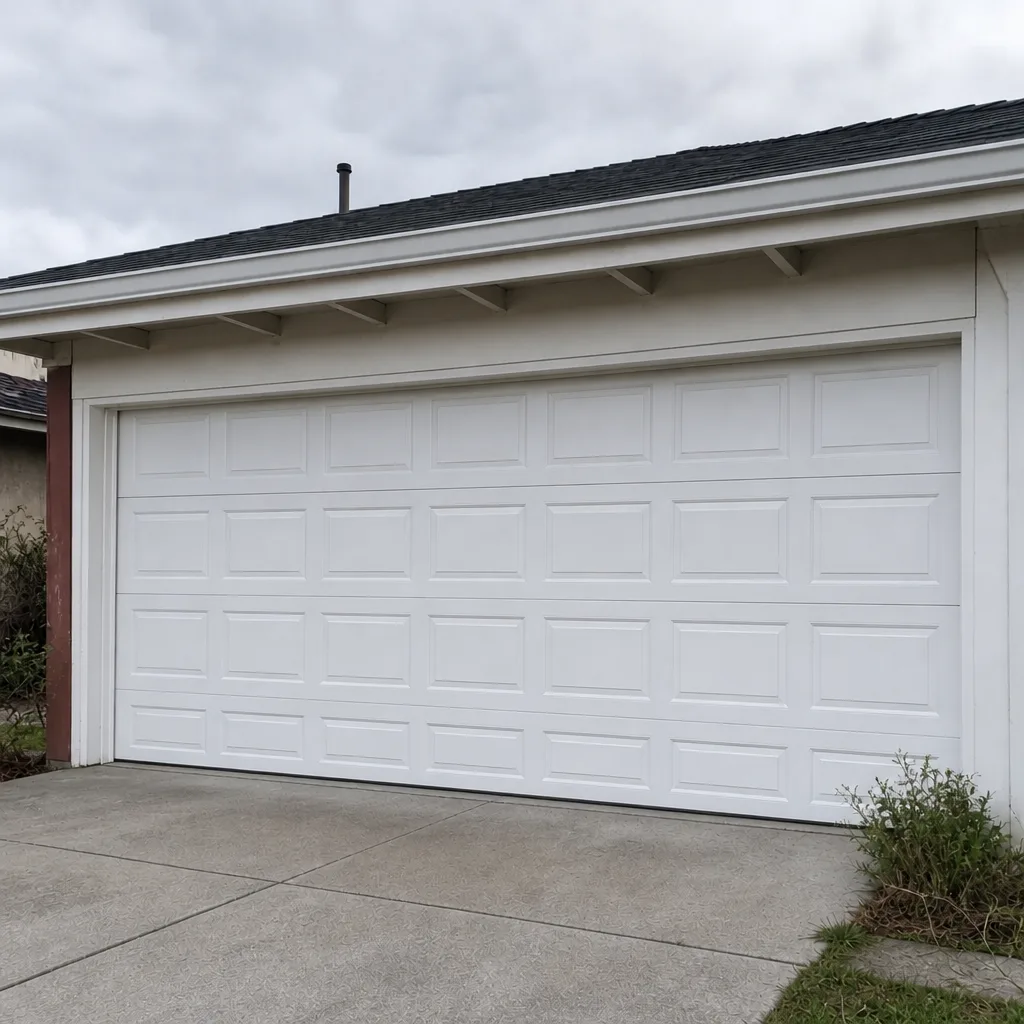 After
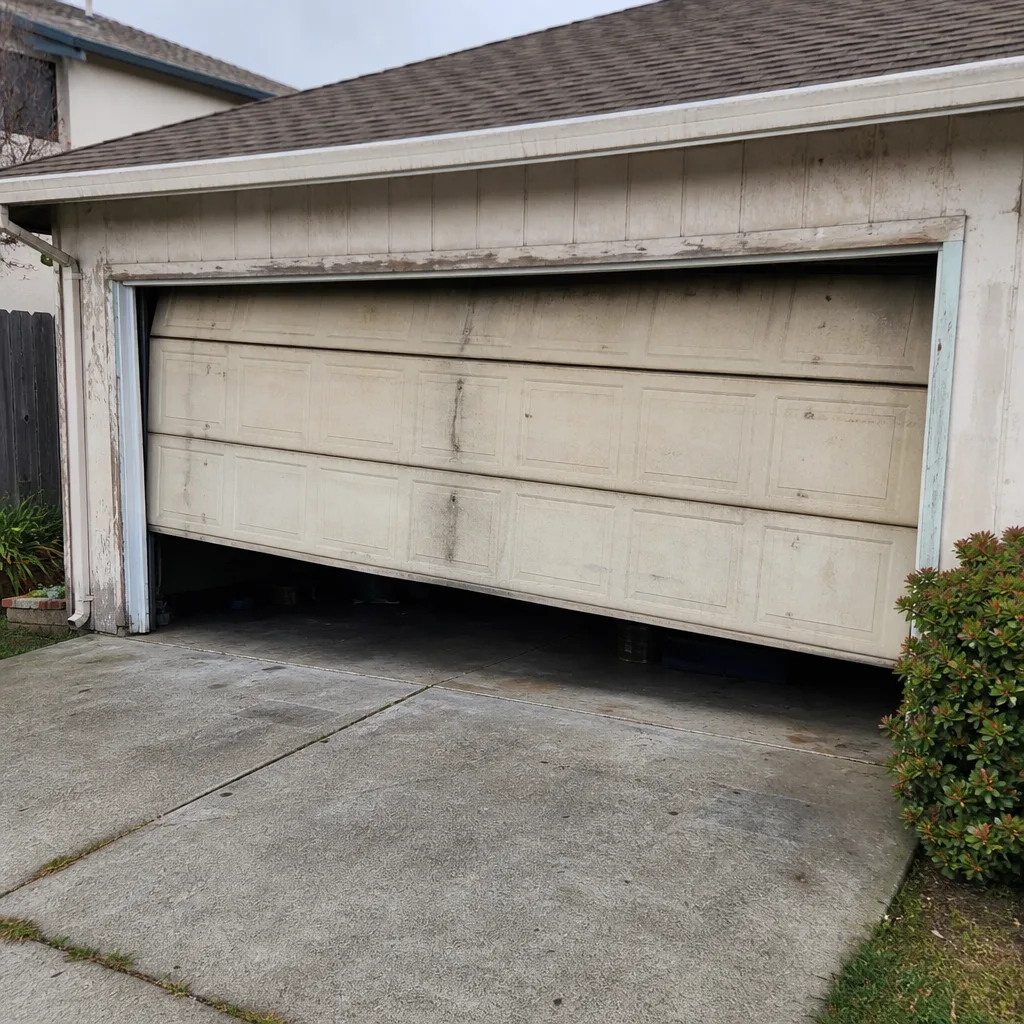 Before
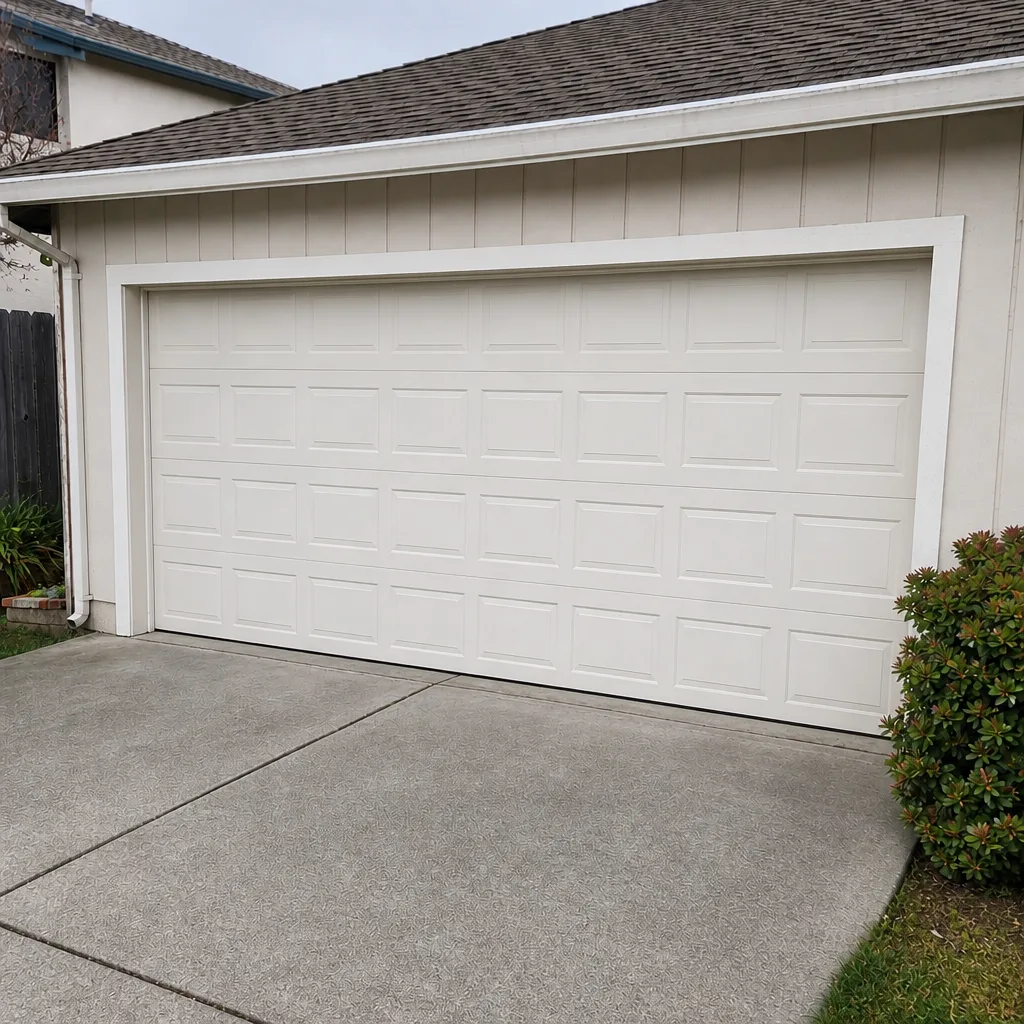 After