
Last updated November 16, 2026
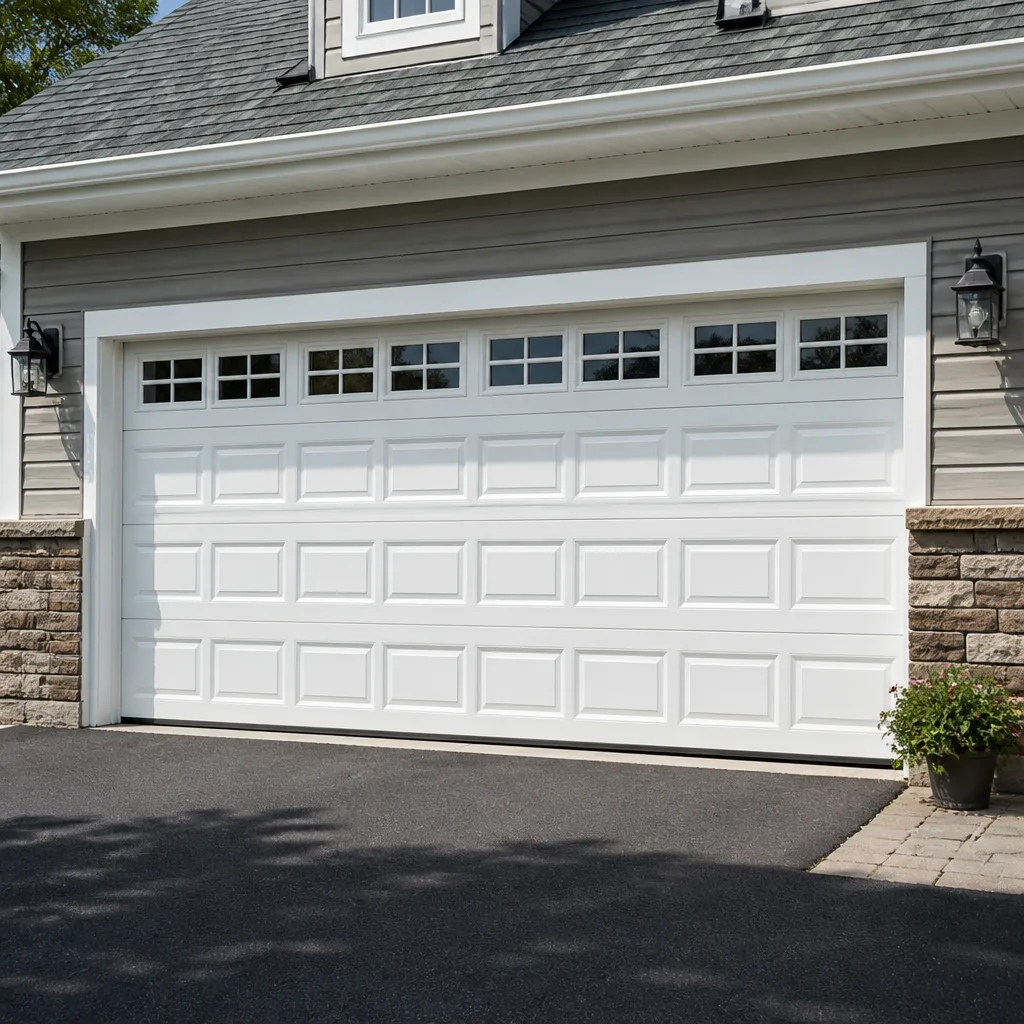 Raised-panel steel
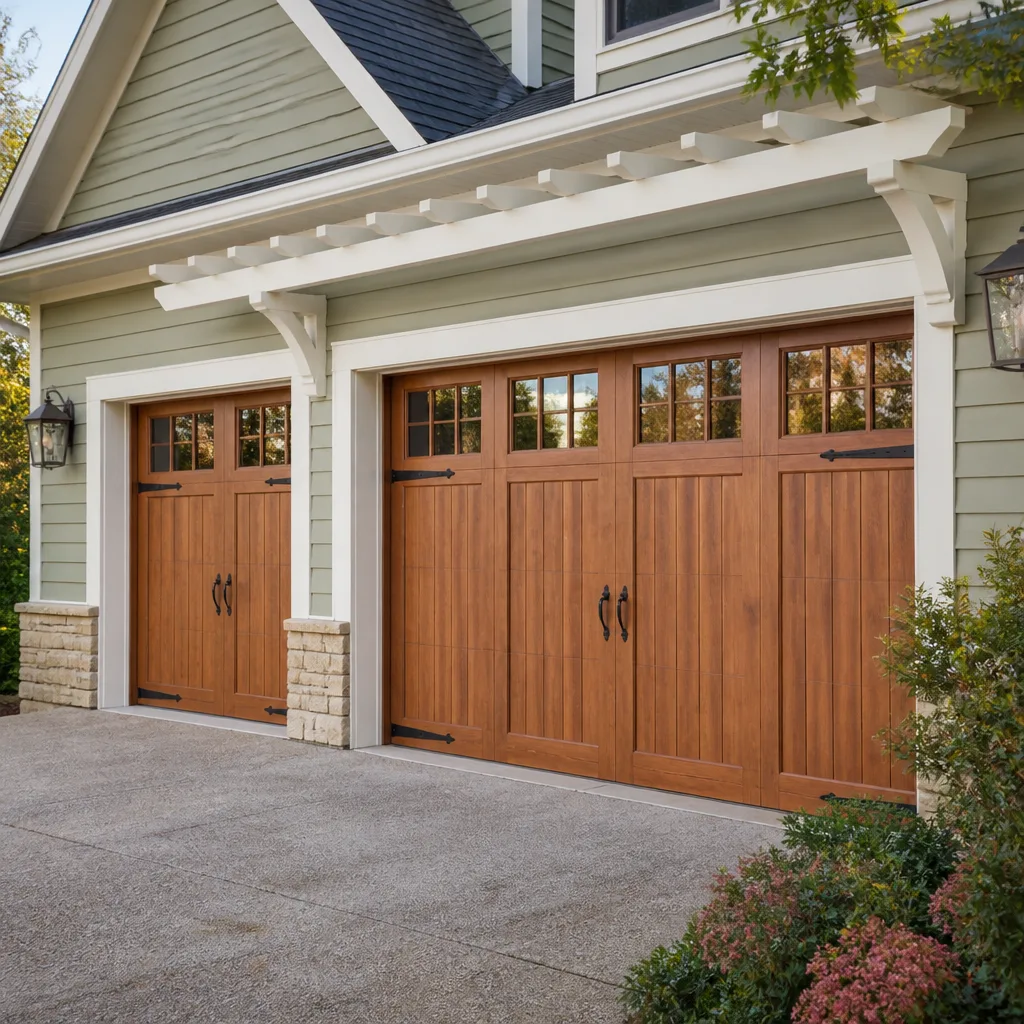 Carriage house
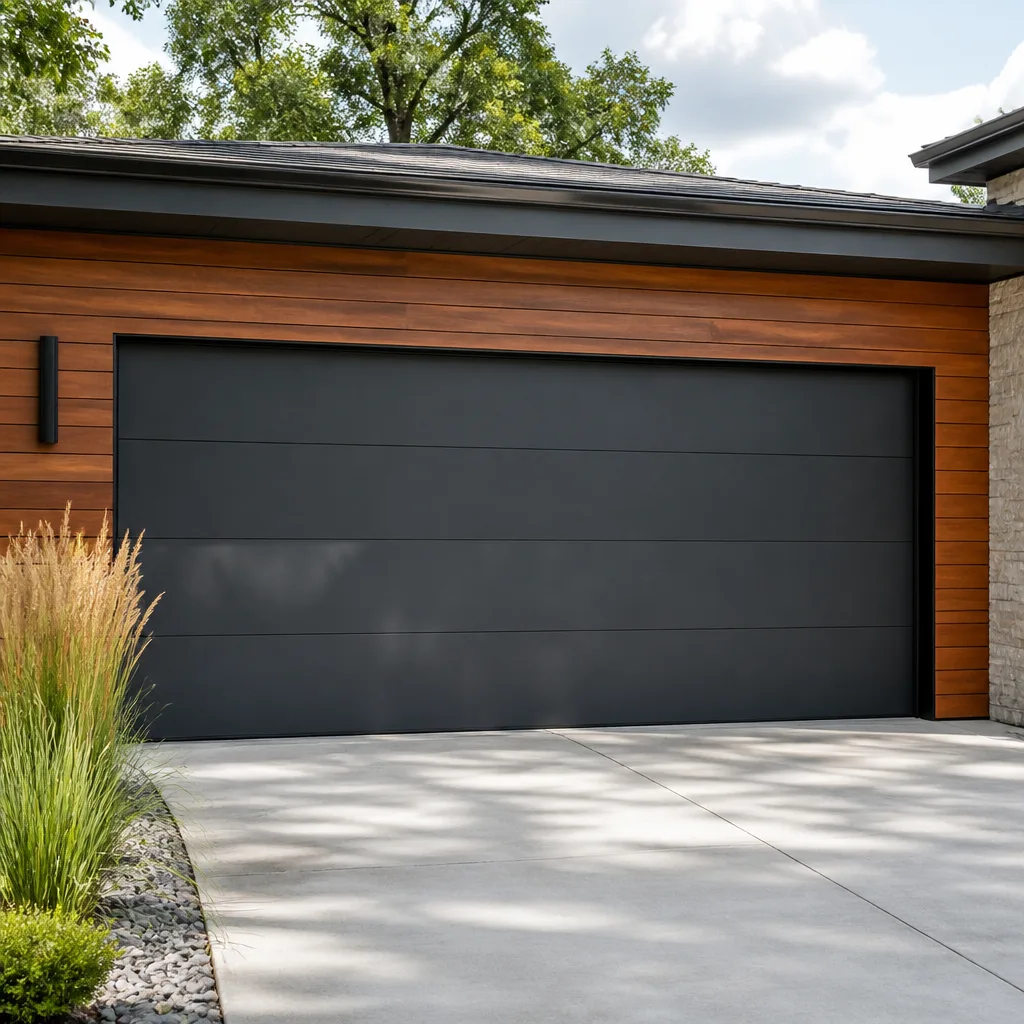 Modern flush
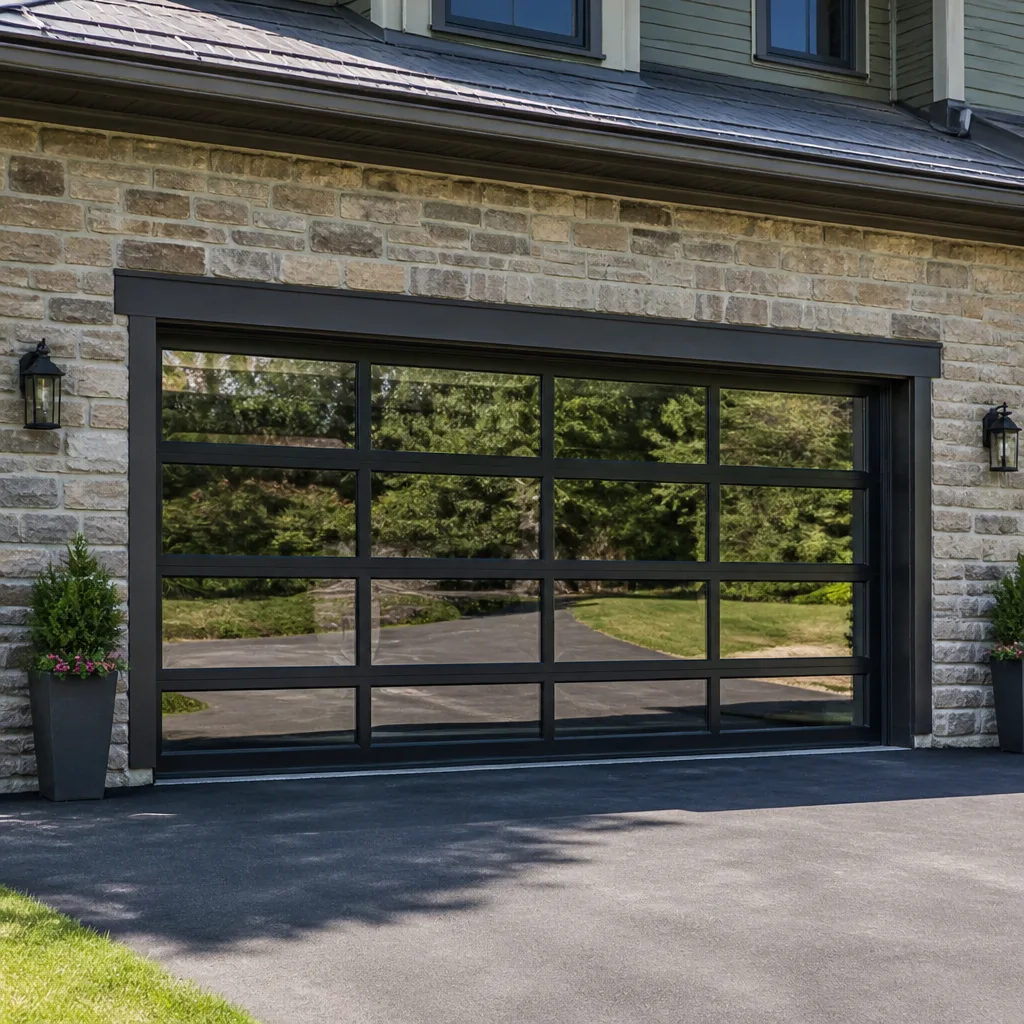 Full-view glass
 LiftMaster openers
 Chamberlain openers
Full 25-point door and opener safety check with every visit - springs, cables, rollers, tracks, and your LiftMaster or Chamberlain opener included
You get a price before we start. It does not change when the pro arrives.
Get your free estimateGarage Door Permits, Codes & Inspections in Antioch, CA: What You Need to Know
Most homeowners who skip a permit on garage door work aren’t trying to cut corners. They honestly didn’t know that a full door replacement can require one. The confusion is understandable, because the rules here aren’t uniform: swapping a broken spring needs no paperwork at all, while installing a new door or replacing an opener can trigger a permit depending on what else changes. That threshold is narrower than most people expect, and it’s where trouble starts at resale. This guide walks through which jobs need a permit in Antioch, what Title 24 and UL 325 actually require, what an inspector looks for, and how to deal with unpermitted work a previous owner left behind.
Quick Answer
In Antioch, routine garage door repairs like spring, cable, roller, and panel replacement generally don’t require a permit, but a full door replacement or an opener swap that involves structural or electrical changes usually does. New door installations also have to meet California’s Title 24 energy requirements, and every automatic opener must satisfy the UL 325 safety standard, including the automatic reverse function an inspector may ask you to demonstrate. When in doubt, call the City of Antioch building department before work starts; a five-minute call saves a headache at escrow.
Styles & brands we work with
- Raised-panel steel
- Carriage house
- Modern flush
- Full-view glass
- LiftMaster openers
- Chamberlain openers
Table of Contents
- Which garage door jobs need a permit in Antioch?
- How does California’s Title 24 energy code affect a new garage door?
- What is UL 325, and what will an inspector check?
- What happens during a garage door inspection in Antioch?
- What happens at a home sale when unpermitted work turns up?
- How do you permit work a previous owner did without permits?
- How does Antioch’s climate affect doors and inspection wear points?
- When should you call a professional instead of handling it yourself?
Which garage door jobs need a permit in Antioch?
The line falls between repair and replacement. A repair restores an existing door to working order using like-for-like parts; a replacement puts in a new door, a new frame, or new electrical work. That distinction drives almost every permit question we get from homeowners around Antioch. If you’re replacing a torsion spring, a snapped cable, a bent roller, or a dented bottom panel with the same model, no permit applies. The door is the same door and the opening is unchanged. If you’re installing a brand-new door, changing the size of the opening, adding a header, or wiring a new opener circuit, that’s construction work and it falls under the city’s permit review.
Here’s how it usually breaks down:
- No permit typically required: spring replacement, cable replacement, roller and hinge swaps, opener gear and logic board repair, remote and keypad programming, weather seal replacement, and like-for-like panel replacement.
- Permit usually required: full door replacement, changing the rough opening size, structural framing changes around the opening, and new electrical circuits for an opener where none existed.
- Ask the city first: adding a brand-new opener to a door that never had one, converting from a manual door to an automatic one, or replacing a door with a different model that changes the weight class or track configuration.
The threshold isn’t a fixed dollar amount; it’s about scope. That’s the piece most homeowners miss when they search for garage door permit requirements in Antioch and find nothing that sounds like their situation. The city’s building department is the authority on whether your particular job crosses the line. Call them before you schedule work, describe exactly what’s changing, and get the answer in writing if you can. It takes a few minutes and removes all the guesswork.
How does California’s Title 24 energy code affect a new garage door?
California’s Title 24 energy code treats the garage door as part of the building envelope, which means a new door on a conditioned or attached garage has to meet insulation and air-sealing requirements. In practice, that means an uninsulated single-sheet door usually won’t pass on a new installation where the garage shares a wall with living space. Insulated doors from manufacturers like Clopay and Amarr are built specifically to meet these requirements, and that’s part of why we work with both brands. When a homeowner in Antioch asks whether they can save by installing the cheapest door available, the honest answer is that it may cost more later if it fails the energy review.
What an inspector actually checks on a Title 24 review:
- The door’s insulation value as reported by the manufacturer, matched against what the permit application specified.
- Air sealing around the perimeter, including the bottom weather seal and the side and top trim.
- That the door closes fully and seals against the opening without visible gaps.
- That any attached garage separation between the garage and living space is intact and undamaged.
This is one area where picking the door matters as much as installing it correctly. A door that meets the code on paper but isn’t sealed properly at the perimeter can still fail the review. We’ve seen that happen when a door is installed without the right trim and threshold work, so the surrounding details are as important as the door itself. For a broader look at what installation involves, see our guide on garage door repair and installation in Antioch.
What is UL 325, and what will an inspector check?
UL 325 is the safety standard that governs automatic garage door operators, and its core requirement is the automatic reverse function: the door must reverse when it meets an obstruction, and it must also reverse under certain conditions when the opener’s safety sensors are triggered. This is the one item inspectors most often ask a homeowner or technician to demonstrate on the spot. The good news is that testing it takes about thirty seconds, and you can do it yourself any time to confirm your door is working correctly.
Here’s the standard test sequence an inspector expects to see:
- Close the door using the wall control and confirm it travels fully without stopping.
- Place a solid object in the door’s path (a 2×4 laid flat is the traditional test) and confirm the door reverses on contact.
- Wave an object through the safety sensor beam while the door is closing and confirm the door reverses immediately.
- Confirm the sensors are mounted no higher than the manufacturer specifies and are aligned and unobstructed.
- Confirm the manual release works and disengages the door from the opener.
If your opener fails any of those steps, the fix is usually a sensor realignment, a reversing-force adjustment, or a sensor replacement. Openers from LiftMaster, Chamberlain, Genie, and Craftsman all use the same basic photoelectric sensor setup, so the test is identical regardless of brand. If the reverse function is failing and you can’t sort it out, our garage door opener repair team handles sensor and logic issues on all of these systems. Don’t ignore a door that won’t reverse. That’s a genuine safety issue, not a minor annoyance, and it’s worth getting fixed promptly.
What happens during a garage door inspection in Antioch?
An inspection is a scheduled visit by a city inspector, usually after the installation or electrical work is complete but before the job is signed off. The inspector isn’t there to critique your taste in doors; they’re confirming that the work matches the permit and meets code. For a garage door job, that means checking the door’s model and insulation against the application, verifying the opener’s safety features, and confirming the structure around the opening is sound.
What to expect, step by step:
- Scheduling: your installer requests the inspection once the work is finished. You’ll typically get a window rather than an exact time.
- Documentation: the inspector checks the permit and the manufacturer’s specs for the door and opener against what’s installed.
- Physical checks: door travel, balance, sealing, sensor placement, and reverse function.
- Electrical check: if a new opener circuit was added, the inspector verifies the wiring and any required disconnect.
- Sign-off or correction notice: a pass closes the permit. A correction notice lists what needs fixing and a reinspection is scheduled.
The most common correction we see is a door that seals poorly because the trim or threshold wasn’t finished properly, followed by a sensor that’s misaligned or mounted too high. Both are quick fixes if caught early. If you’re preparing for an inspection in Antioch and want the mechanical side of your door verified first, it’s worth having a technician check the balance and reverse function before the inspector arrives. That way the visit is a formality rather than a reinspection.
What happens at a home sale when unpermitted work turns up?
Unpermitted garage door work usually surfaces during escrow, and the exposure is real but manageable if you deal with it early. When a buyer’s inspector or the title company flags work that has no permit record, the sale can stall while the parties work out who’s responsible for legalizing it. The buyer’s lender may require the work to be permitted and inspected before the loan closes. In the worst case, a buyer walks away or renegotiates the price to account for the risk. None of that is a catastrophe, but it’s all avoidable with a phone call before the work starts.
The specific exposure to understand:
- Title and disclosure: sellers in California are required to disclose known unpermitted work. Failing to disclose it is a bigger problem than the work itself.
- Lender requirements: if the buyer is financing, the lender may require proof that structural or electrical work was permitted before funding.
- Buyer’s inspection: a home inspector will flag a newer door or opener with no permit record, and that becomes a negotiating point.
- City records: a permit search during escrow can reveal work that was never signed off, even if it was done well.
The good news is that a missing permit on a garage door is one of the more solvable problems in a home sale. It doesn’t usually require tearing anything out. If you’re planning to sell a home in Antioch and you know a previous owner replaced the door or opener without a permit, the smart move is to get it permitted before you list, not after a buyer’s inspector finds it. That turns a negotiating liability into a non-issue.
How do you permit work a previous owner did without permits?
Retroactive permitting is the process of legalizing work that was done without a permit. It’s common with garage doors because previous owners often replaced a door or opener and never filed the paperwork. The process varies by jurisdiction, but the general path is to contact the City of Antioch building department, explain what was done, and ask what they need to issue a permit after the fact. Many cities will accept a retroactive permit if the work meets current code, sometimes with a visual inspection instead of opening up walls.
The typical sequence:
- Call the City of Antioch building department and describe the work: what was replaced, when it was likely done, and whether you have any documentation.
- Ask whether a retroactive permit is available for that scope and what the fee is.
- Gather any records you have: receipts, the previous owner’s disclosure, manufacturer labels on the door and opener, and photos.
- Schedule an inspection so the city can verify the work meets current code.
- Complete any corrections the inspector lists and close the permit.
Is it worth doing before listing? Usually yes, if you know about unpermitted work. A retroactive permit closes the gap in the city’s records and removes the disclosure problem entirely. It also gives a buyer’s inspector nothing to flag on the garage door. If you don’t know whether the work was permitted, a quick records search at the city is the fastest way to find out, and it’s worth doing as part of pre-listing prep. For homeowners in Antioch who’d rather not dig through city records themselves, a specialist who installs and services doors can often tell you by looking whether a door or opener was installed to permit standards, which at least tells you whether it’s worth chasing the paperwork.
How does Antioch’s climate affect doors and inspection wear points?
Antioch’s mild winters and hot, dry summers shape what fails on a garage door and what an inspector is likely to flag. The heat is the bigger factor. Summer temperatures stress lubricants in the torsion system, dry out weather seals, and can cause a door’s panels to expand slightly, which sometimes shows up as a door that seals unevenly at the bottom or rubs on one side. Those aren’t permit issues, but they’re the kind of wear an inspector notices during a new installation review, because a door that doesn’t close cleanly may fail the air-sealing check under Title 24.
Where the local climate shows up most:
- Weather seals: dry summers crack the bottom and side seals faster than in cooler climates, so they’re worth inspecting annually before they become a sealing problem.
- Torsion springs: heat and repeated cycling are the two things that wear springs out, and both are present here. A spring that’s near the end of its life may pass inspection but fail soon after.
- Sensor alignment: doors that shift slightly in extreme heat can throw the safety sensors out of alignment, which shows up as a door that won’t close. That’s a safety issue, not a permit one, but it’s the most common reason an inspection-day demo fails.
- Door balance: a door that’s out of balance strains the opener and can affect the reverse function, which is what the UL 325 test measures.
None of these are reasons to skip a permit. They’re reasons to make sure the door is properly adjusted and sealed before an inspection, so the review goes smoothly. If you’re scheduling an installation in Antioch during the hotter months, a technician should verify balance and sealing after the door has cycled a few times and settled. It’s a small step that avoids a reinspection.
When should you call a professional instead of handling it yourself?
Some garage door work is safe for a homeowner to handle: replacing a remote battery, programming a keypad, wiping down sensors, replacing a weather seal. But two parts of the system are genuinely dangerous, and both live under high tension. Torsion springs and the cables that run alongside them store enough energy to cause serious injury if they release unexpectedly. Never try to adjust, remove, or replace a torsion spring or cable yourself. This is the one area of garage door work where a mistake can be life-altering, and no amount of online guidance substitutes for training and the right tools.
The jobs that call for a professional:
- Any torsion spring or extension spring replacement or adjustment.
- Cable replacement or repair, which requires releasing spring tension first.
- Opener electrical work, especially adding a new circuit or replacing a hardwired unit.
- Door replacement or anything that changes the door’s weight, track, or balance.
- Any job that requires a permit, since the work has to meet code and pass inspection.
Our technicians have up to 11 years of experience with the brands most common in Antioch garages, including Clopay doors and Chamberlain openers, so they know what these systems need to pass code and stay safe. If you’re unsure whether your job crosses the permit line, or you want a professional eye on a door before an inspection, call us. We’d rather answer a question before the work starts than help you fix a problem after. For a wider look at the services we handle, visit Sawyer Garage Door Repair.
Common Mistakes to Avoid
- Assuming a replacement is “just a repair.” A full door replacement is construction work and often needs a permit, even when the door looks identical to the old one. Calling it a repair doesn’t change what the city sees on the application.
- Skipping the permit on an opener swap that involves wiring. Swapping an opener for one of the same type is usually fine, but adding a new circuit or converting a manual door to automatic can require review. Check before the electrician shows up.
- Ignoring Title 24 on a new door. Installing an uninsulated door on an attached garage to save money can cost more when the energy review fails and the door has to be replaced.
- Letting a door fail the reverse test and doing nothing. UL 325’s reverse function is a safety feature, and an inspector will ask to see it work. A door that won’t reverse should be fixed immediately, not at inspection time.
- Discovering unpermitted work at closing. In Antioch, an unpermitted door or opener that turns up during escrow can stall a sale. Find out before you list.
- Trying to adjust a torsion spring on your own. This is the most dangerous job in the trade, and the risk isn’t worth it. Call a professional for spring and cable work.
- Assuming a permit search isn’t necessary. City records don’t always match what’s on the door. A records check is cheap insurance before a sale or a major installation.
See the difference
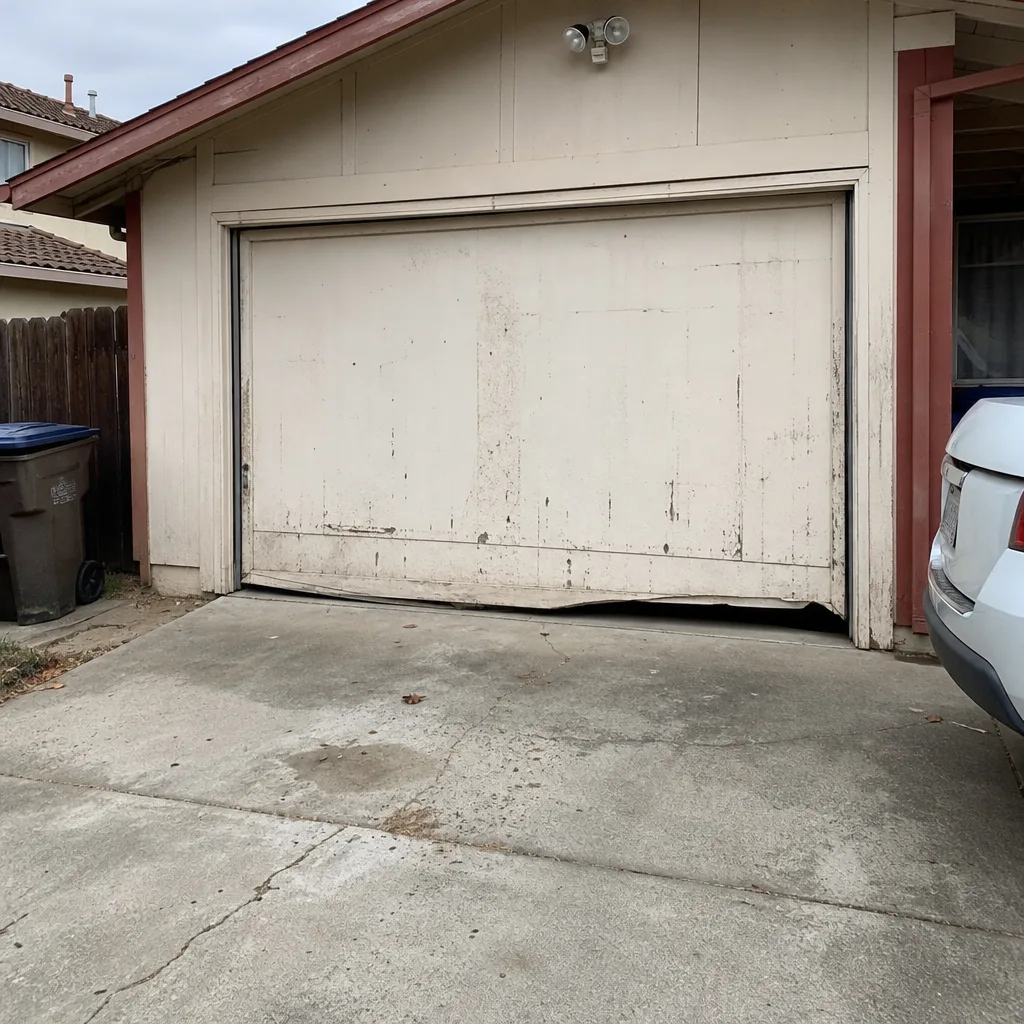 Before
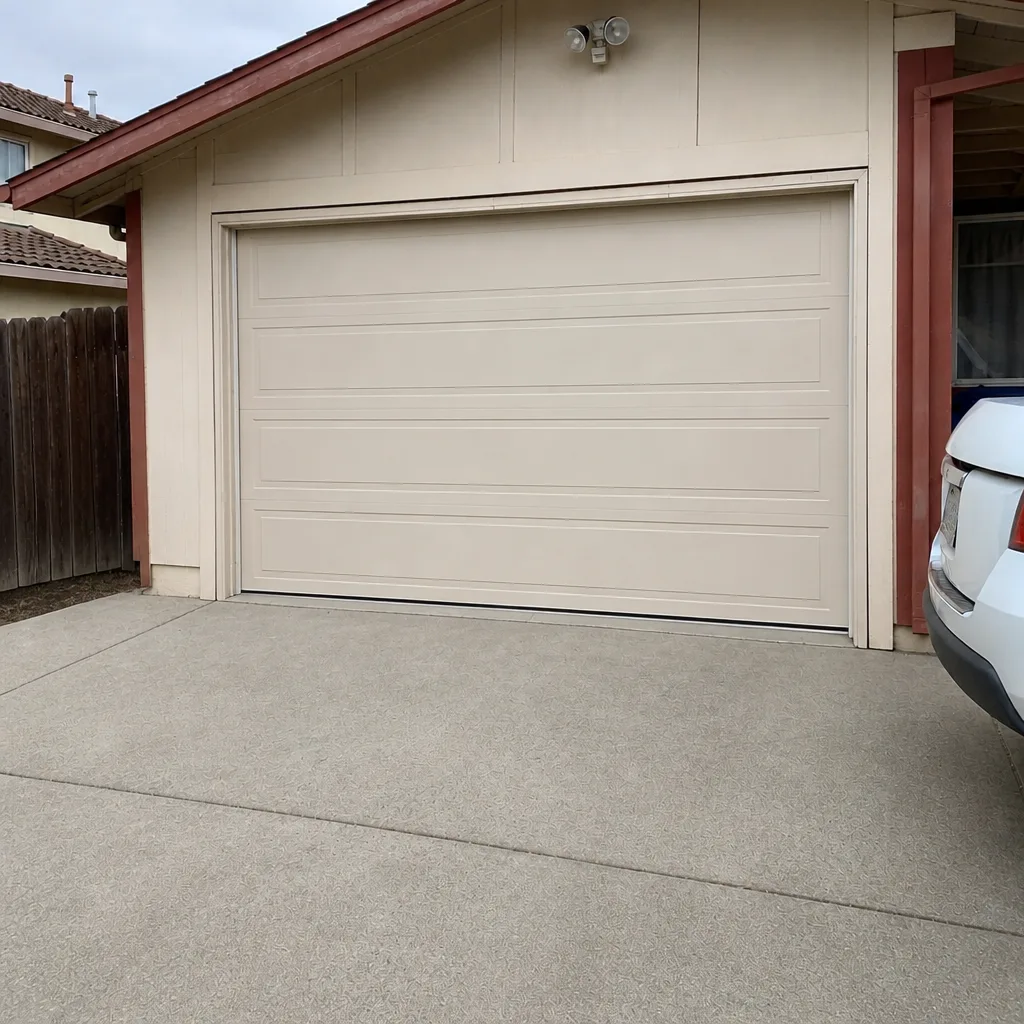 After
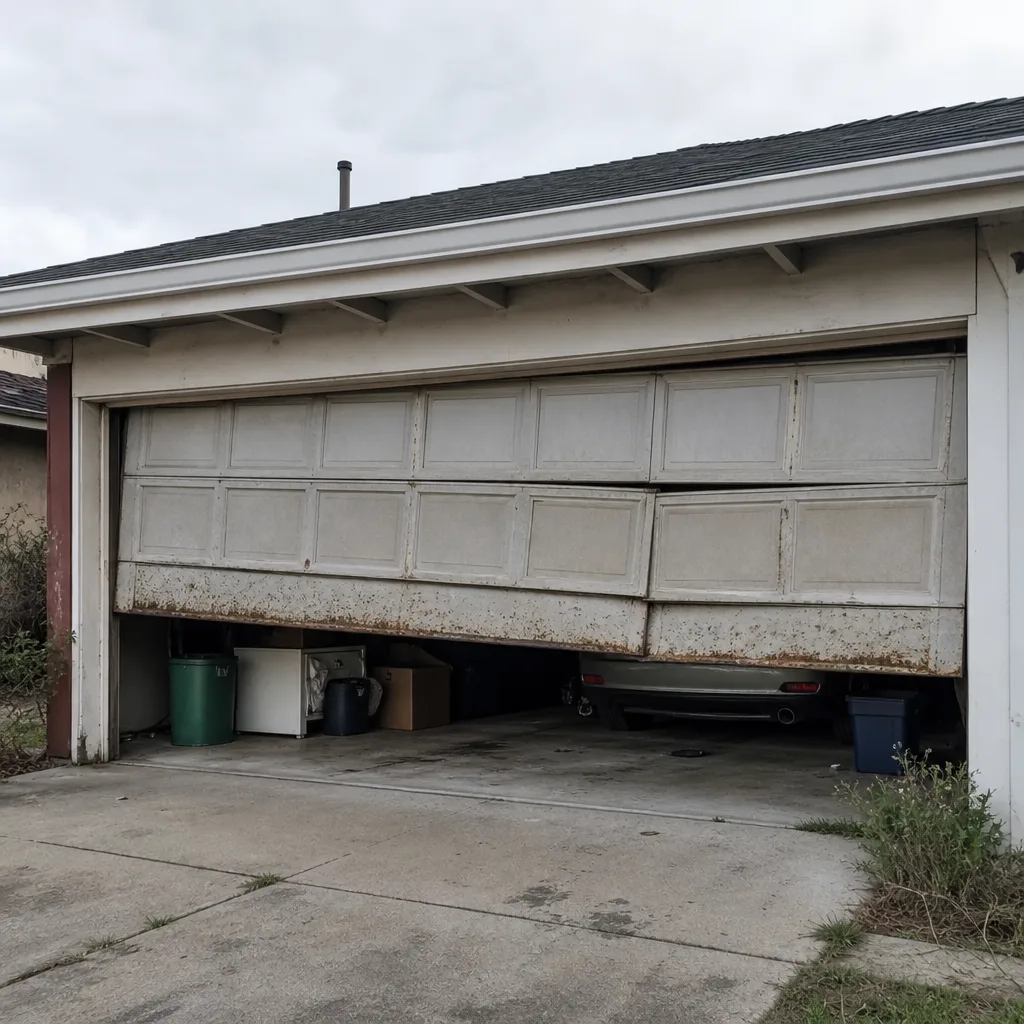 Before
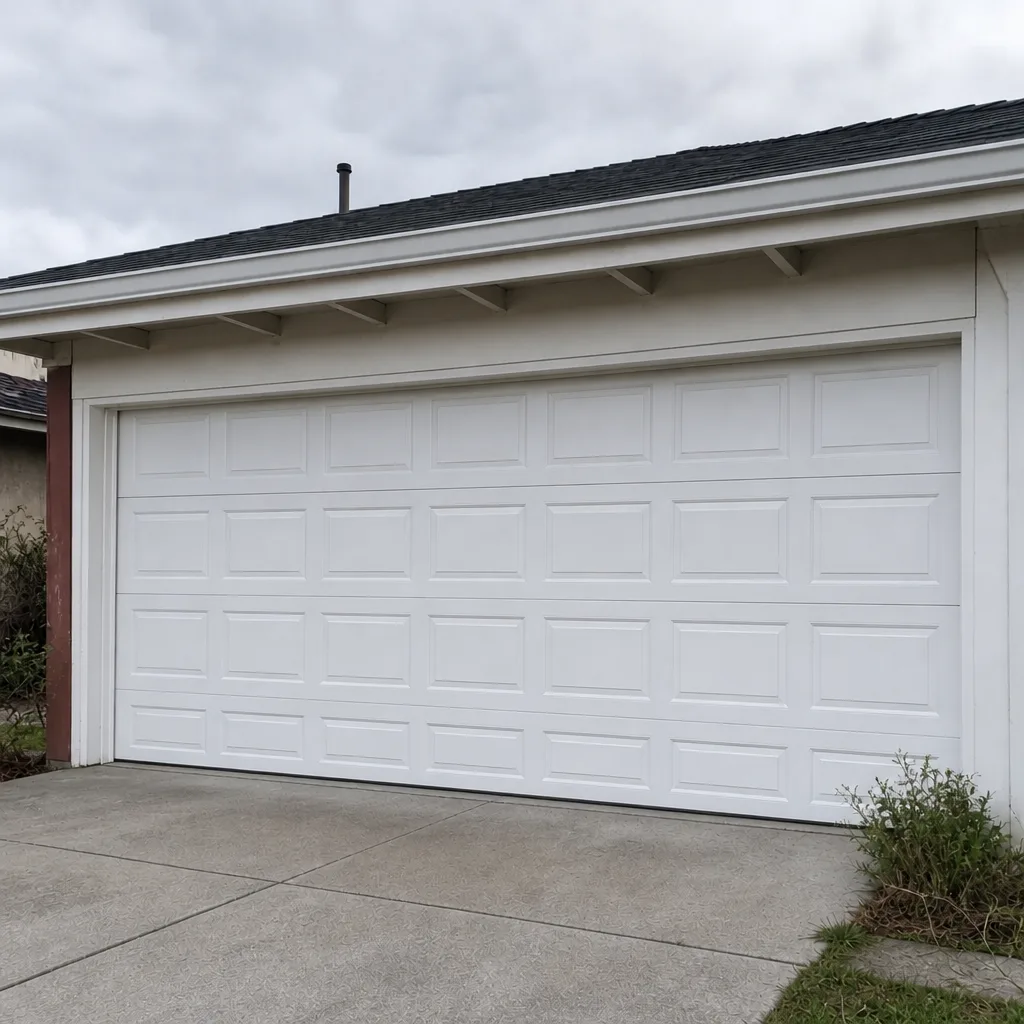 After
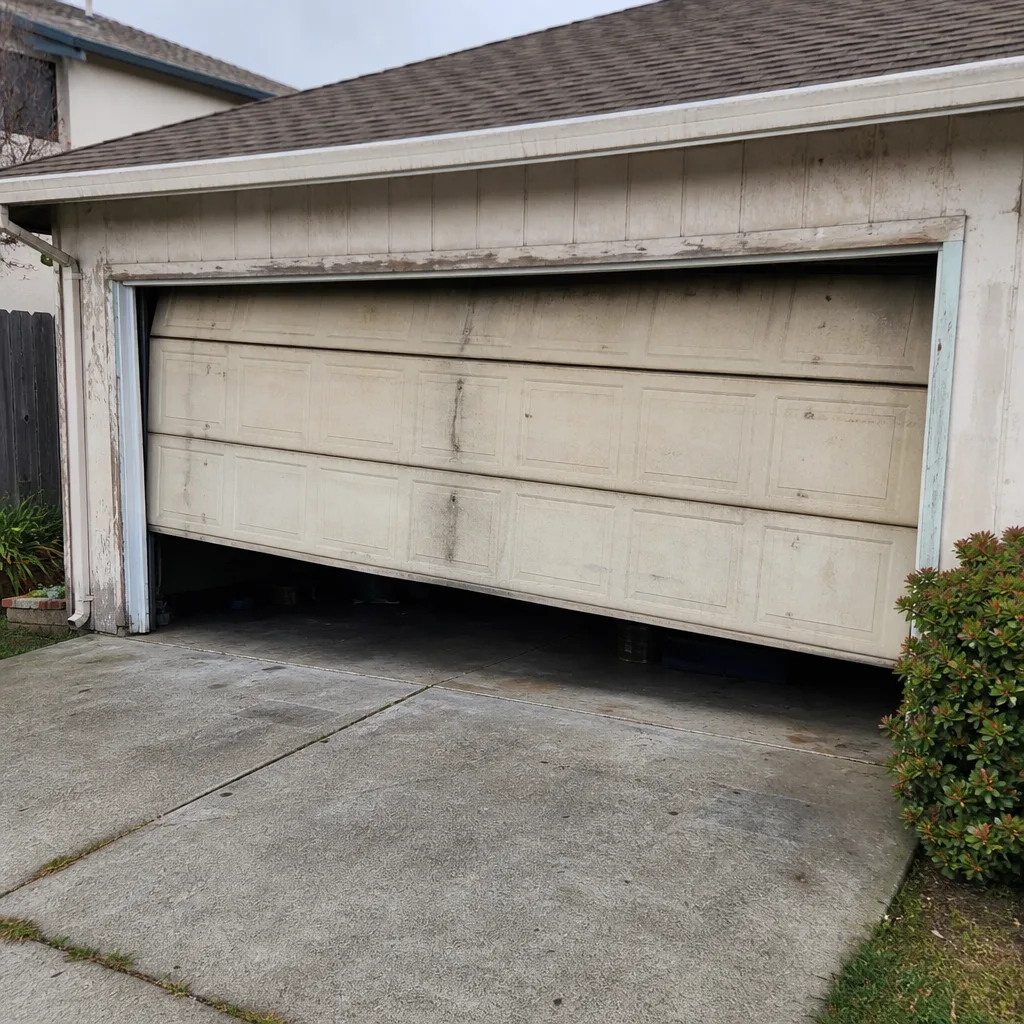 Before
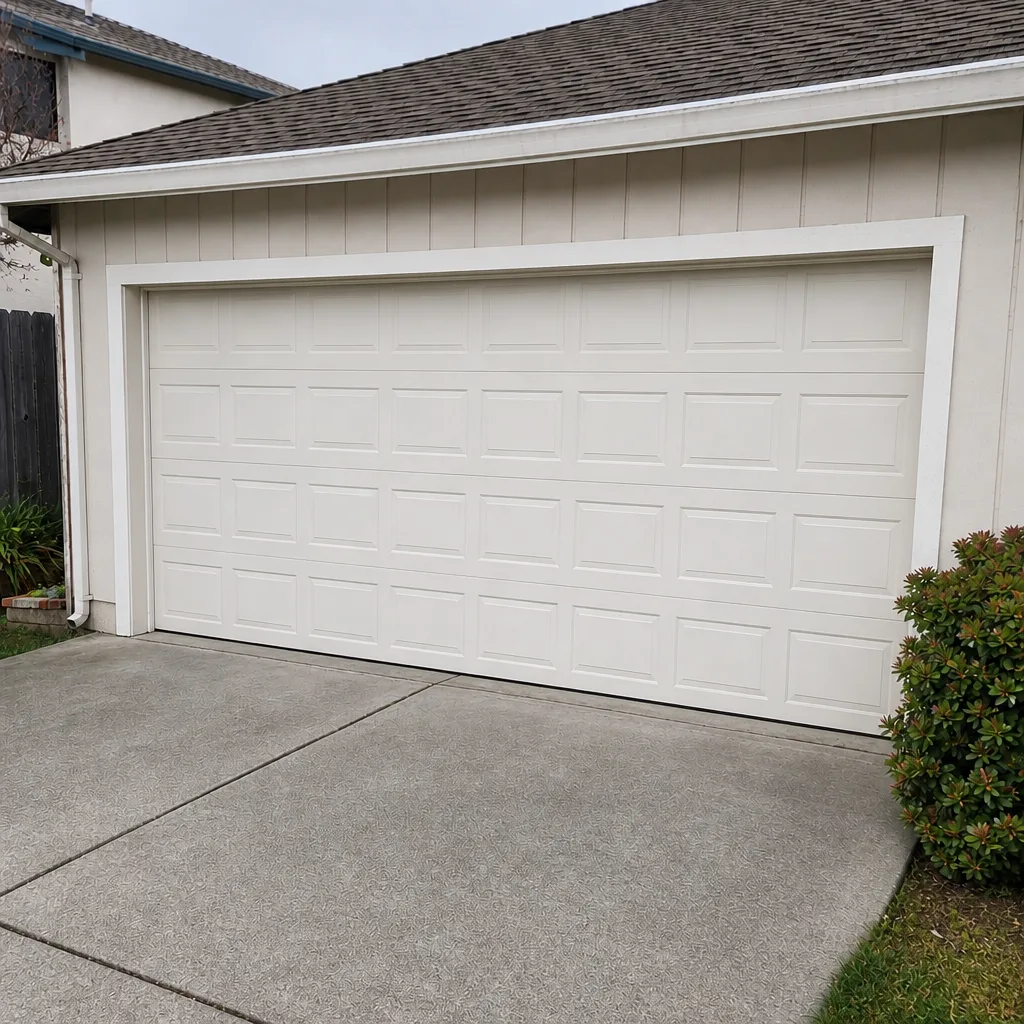 After
When to Call a Professional
Call a professional when the work involves spring or cable tension, when you’re replacing the door or opener rather than repairing it, or when a permit is likely required and you want the job done to code the first time. Call us as well if you’re preparing for an inspection and want the door’s balance and reverse function verified first, or if you’re in escrow and need to know whether a door was installed to permit standards. Sawyer Garage Door Repair offers free estimates in Antioch. Call (866) 944-5178. We answer 24/7. Fast dispatch from 7am to 7pm, Sunday through Friday. A call outside dispatch hours is booked into the next opening, Sunday through Friday, 7am to 7pm.
Frequently Asked Questions
In most cases, yes. A full garage door replacement is construction work and typically requires a permit from the City of Antioch building department, especially when the door is on an attached or conditioned garage and has to meet Title 24 requirements. Simple repairs like spring, cable, or roller replacement generally don’t need one. Confirm the scope with the city before work begins; a quick call removes the doubt. Call (866) 944-5178 for a free estimate and we’ll help you sort out what your job involves.
Often you can, if you’re swapping an opener for one of the same type using the existing wiring. If the job involves adding a new electrical circuit, converting a manual door to an automatic one, or any structural change, a permit is usually required. The specific threshold depends on what’s changing, so check with the City of Antioch building department first. Call (866) 944-5178 for an exact quote on the opener work once you know what’s needed; estimates are free.
UL 325 requires that an automatic opener’s door reverse when it meets an obstruction, and that its safety sensors trigger a reversal when the beam is broken. Inspectors routinely ask to see the reverse function demonstrated, and it takes about thirty seconds to test. If your door won’t reverse, stop using the opener and get it fixed; it’s a genuine safety issue. Call (866) 944-5178 to schedule a safety check, and we’ll confirm your sensors and reverse function are working as they should.
It usually surfaces during escrow. A buyer’s inspector or a title search can flag a newer door or opener with no permit record, and the sale can stall while the parties work out who legalizes the work. California sellers are required to disclose known unpermitted work, so hiding it isn’t an option. The fix is to permit the work before you list, which usually means a retroactive permit and an inspection. Call (866) 944-5178 if you need the door checked before a sale.
Contact the City of Antioch building department, describe the work, and ask whether a retroactive permit is available for that scope. Gather any documentation you have, including receipts, disclosures, and manufacturer labels, then schedule an inspection so the city can verify the work meets current code. Complete any corrections and close the permit. It’s usually a straightforward process, and doing it before listing removes a disclosure problem. Call (866) 944-5178 if you want the door inspected for code compliance first.
Usually not on an attached garage. Title 24 treats the garage door as part of the building envelope, so a new door on a conditioned or attached garage has to meet insulation and air-sealing requirements. Insulated doors from manufacturers like Clopay and Amarr are built to meet those requirements, and the installer has to seal the perimeter properly for the review to pass. Call (866) 944-5178 for a free estimate on a code-compliant installation, and we’ll walk you through the options.
The Bottom Line
Garage door permits in Antioch follow a simple rule: repairs are usually exempt, replacements and structural or electrical changes are usually not. New doors have to meet Title 24, every automatic opener has to pass the UL 325 reverse test, and an inspector will check both. The risk of skipping a permit isn’t immediate; it shows up at resale, when unpermitted work becomes a negotiating problem. If you know a previous owner left a door or opener unpermitted, get it legalized before you list. And for anything involving spring tension, call a professional. The paperwork is manageable. The tension isn’t.
For permit-related questions in Antioch or to schedule service, call Sawyer Garage Door Repair at (866) 944-5178 for a free estimate. We answer 24/7. Fast dispatch from 7am to 7pm, Sunday through Friday. A call outside dispatch hours is booked into the next opening, Sunday through Friday, 7am to 7pm. You can also learn more about our Antioch service area and the full range of garage door work we handle.
Written by the team at Sawyer Garage Door Repair.