
Last updated November 16, 2026
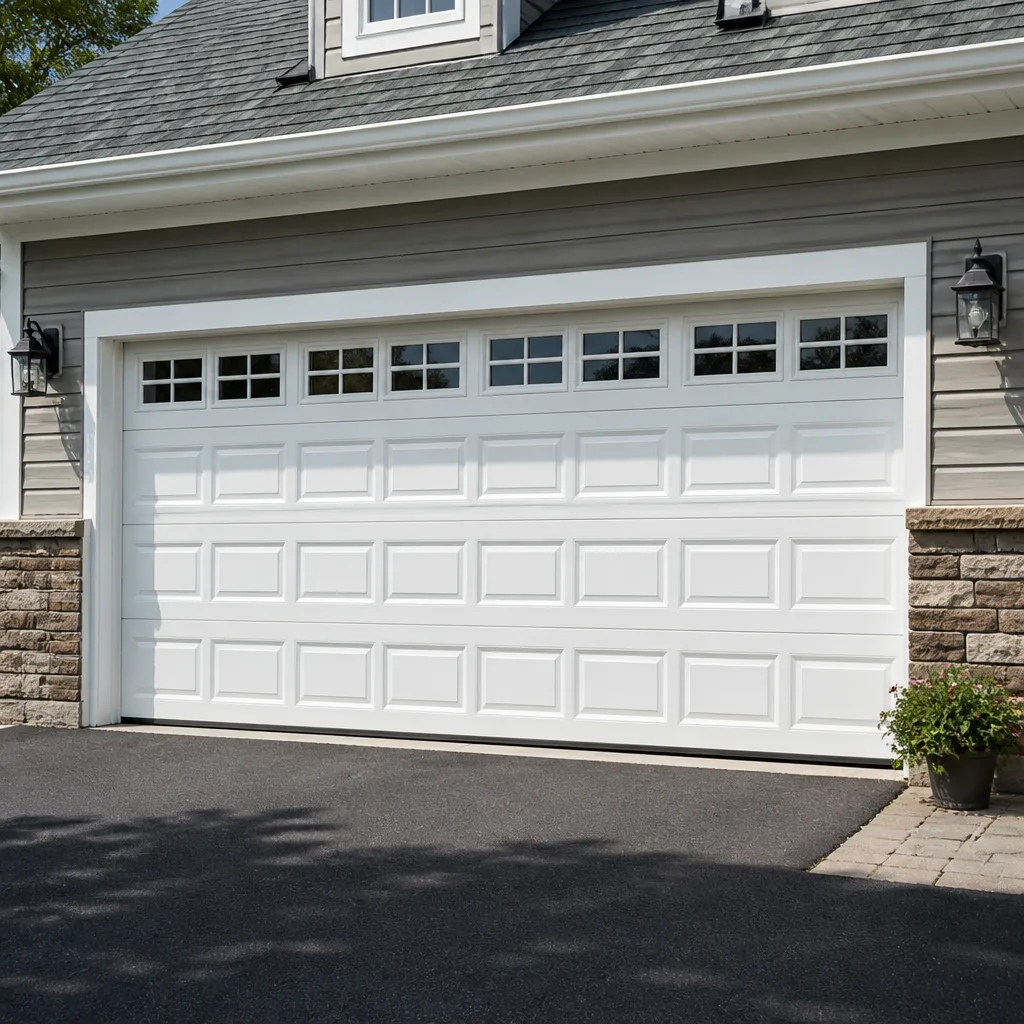 Raised-panel steel
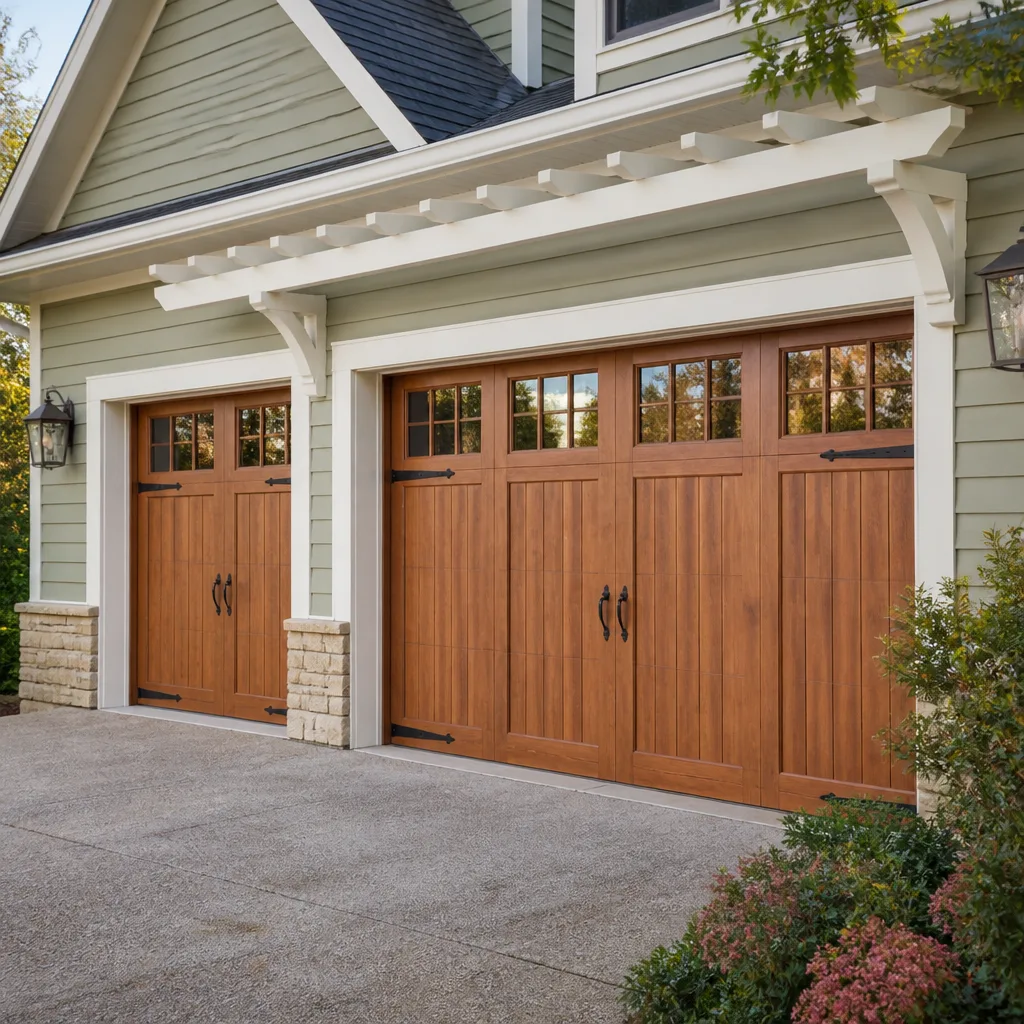 Carriage house
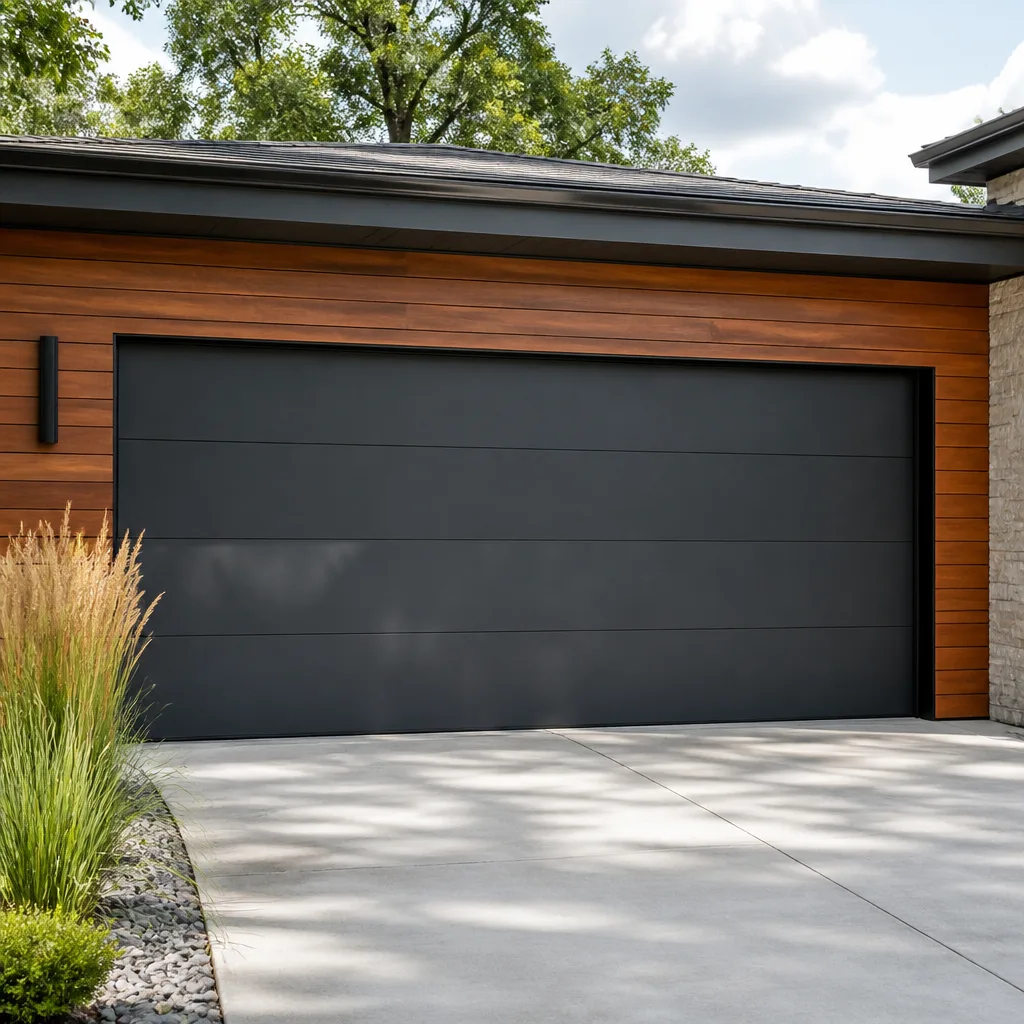 Modern flush
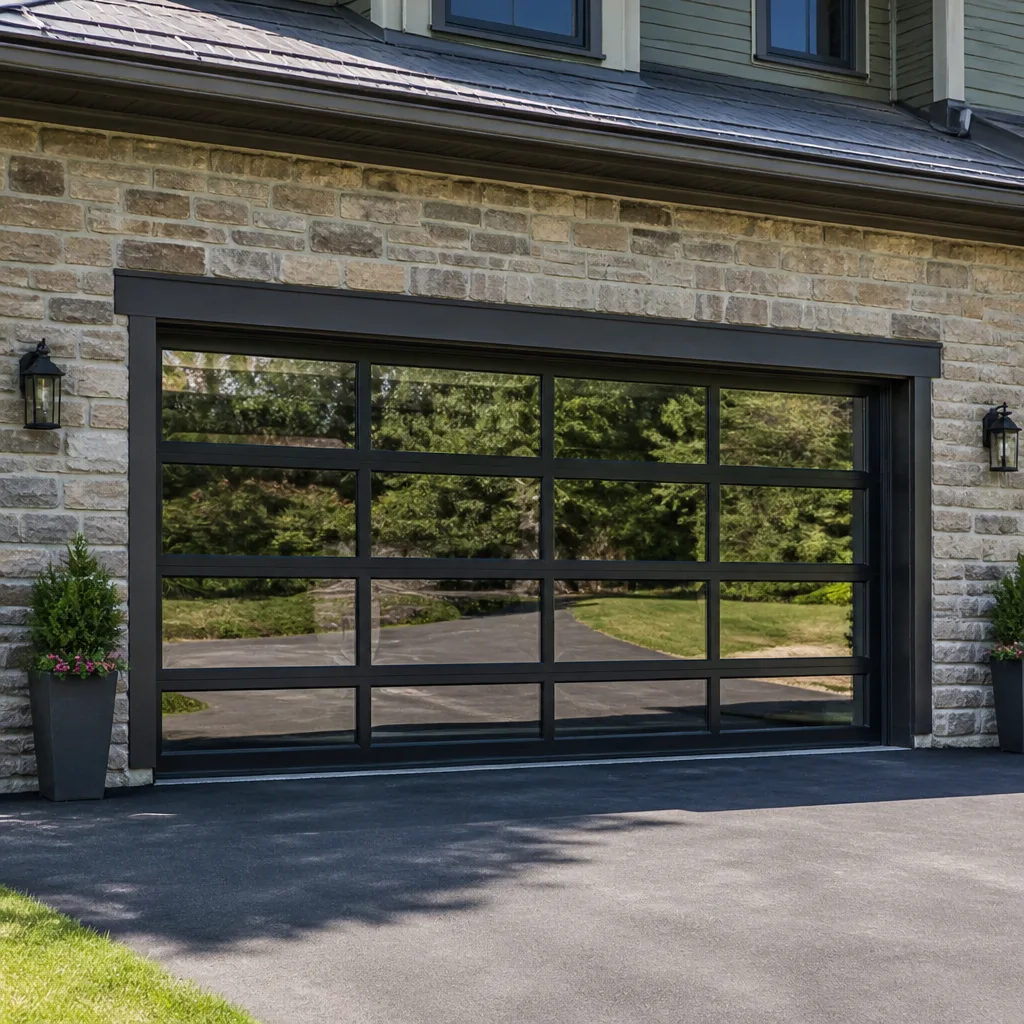 Full-view glass
 LiftMaster openers
 Chamberlain openers
Full 25-point door and opener safety check with every visit - springs, cables, rollers, tracks, and your LiftMaster or Chamberlain opener included
You get a price before we start. It does not change when the pro arrives.
Get your free estimateGarage Door Repair Maintenance Schedule: What to Do and When
Most garage door maintenance advice tells you to “service your door twice a year” and leaves it there. That calendar was written for a climate that isn’t ours. In Antioch, the hardware on your door takes its hardest hits in two narrow windows: the long dry heat from June through September, and the damp stretch from December through February. Lubricating springs in August, after weeks of thermal expansion have already done their work, is mostly wasted effort. The window that actually matters is a six-week stretch in late spring that most homeowners skip entirely. This guide builds a month-by-month schedule around Antioch’s real wear cycles, ranks the tasks that prevent failure ahead of the ones that only keep things looking tidy, and shows you the 60-second check that catches most developing problems before they turn into repair calls.
Quick Answer
A garage door needs lubrication and a visual inspection every three to four months, a full balance and hardware check once a year, and a professional tune-up every 12 to 18 months. In Antioch, shift the two heaviest maintenance windows to late spring (before the June-September heat) and late fall (before the December-February moisture), and run a 60-second safety check monthly. That’s the whole schedule. The rest of this guide explains what each task actually protects, which ones pay off, and which are cosmetic.
Styles & brands we work with
- Raised-panel steel
- Carriage house
- Modern flush
- Full-view glass
- LiftMaster openers
- Chamberlain openers
Table of Contents
- Why a Year-Round Schedule Beats a Seasonal One
- The Antioch Month-by-Month Maintenance Calendar
- Which Maintenance Tasks Actually Prevent Failure (Ranked by ROI)
- Lubrication by Hardware Type: Springs, Rollers, Hinges, and Tracks
- The 60-Second Monthly Safety Check
- Seasonal Deep Checks: Heat, Moisture, and What They Stress
- What a Technician Checks That You Physically Can’t
- Brand Matters Less Than You Think (But System Type Matters a Lot)
Why a Year-Round Schedule Beats a Seasonal One
A garage door is a machine that cycles hundreds of times a year, and every part of it wears on a different clock. The torsion springs carry the door’s weight and fatigue gradually with each open-and-close cycle. The rollers wear at the point where they ride the track. The hinges collect grit. The opener’s drive system and logic board age on their own curve, separate from the door entirely. Treat these as one schedule and you service the wrong thing at the wrong time.
What makes Antioch different from a generic “twice a year” plan is the climate rhythm. The dry months from June through September pull moisture out of wood door panels and expand metal hardware. The damp months from December through February do the opposite. Rubber seals, weatherstripping, and the bottom seal take the brunt of both swings, which is why your door can feel different in April than it did in January.
Here’s the practical takeaway: a year-round, task-specific schedule keeps you ahead of wear instead of reacting to it. It also gives you a written record of what’s been done, which makes any future garage door repair faster to diagnose. Our technicians have up to 11 years of experience, and the single most common thing they find on a “sudden” failure is a part that was wearing for months.
The Antioch Month-by-Month Maintenance Calendar
This calendar is anchored to Antioch’s climate rather than generic seasons. The two heaviest maintenance windows are the six weeks before the heat sets in and the six weeks before the damp settles in. Those are the moments when skipped tasks cost the most.
Spring (March, April, May)
- March: Inspect the bottom seal and weatherstripping for cracks after the wet winter. Replace if the seal is stiff or torn.
- April: Lubricate hinges, rollers, and the torsion spring. This is the early-season lubrication pass before heat.
- May: Full balance test and hardware tightening. This is the critical pre-summer window. Check every hinge bolt, track bracket, and roller.
Summer (June, July, August, September)
- June: Monthly 60-second safety check begins. Listen for new noises as hardware expands.
- July: Inspect the opener’s drive system (belt, chain, or screw). Heat can loosen belts.
- August: Check the door’s travel limits and safety sensors. This is the month doors drift out of adjustment.
- September: Lubricate again before the damp arrives. Torsion spring and rollers are the priority.
Fall (October, November)
- October: Full balance test after the summer heat cycle. Check the door’s weight feel and the wear on rollers.
- November: Inspect weatherstripping and bottom seal before the wet months. Service the opener’s moving parts.
Winter (December, January, February)
- December: Check for moisture-related swelling in wood doors and sticking hinges.
- January: Verify the opener’s torque and travel settings.
- February: Inspect tracks for rust or debris buildup from winter grit.
The real cost of skipping this schedule isn’t cosmetic. A torsion spring that’s been running dry through a hot summer fatigues faster, and a door that’s out of balance puts strain on the opener. This is the same reasoning behind our garage door opener repair work, where a worn door is often the hidden cause of opener failure.
Which Maintenance Tasks Actually Prevent Failure (Ranked by ROI)
Not all maintenance is equal. Some tasks keep the door from failing; others just keep it looking clean. If you only do the top of this list, you’ll avoid most repair calls.
- Balance test and spring inspection (highest ROI). A door that’s out of balance works the opener harder and strains the springs. Catching an imbalance early prevents spring and opener failure. Do this once a year.
- Lubrication of moving parts. Prevents squeaks, sticking, and accelerated wear on rollers and hinges. Do this every three to four months.
- Safety sensor and reversal test. A door that won’t reverse on contact is a safety problem. Test monthly.
- Hardware tightening. Loose bracket bolts and hinge screws are a leading cause of track misalignment. Do this with each lubrication pass.
- Weatherstripping and bottom seal replacement. Prevents water intrusion and drafts. Check seasonally. This is partly comfort and partly protection.
- Cosmetic cleaning and painting. Extends the look of the door but rarely prevents mechanical failure. Worth doing, but rank it last.
Lubrication by Hardware Type: Springs, Rollers, Hinges, and Tracks
“Use garage door lubricant” is where most guides stop, and it’s not enough. Different hardware needs different products, and applying the wrong one can attract dust or trap grit. Here’s what actually goes where.
- Torsion springs: Use a white lithium grease or a dedicated garage door spring lubricant. Apply a thin coat to the coils. Avoid heavy grease, which collects grit.
- Extension springs: These stretch rather than twist. Use a silicone-based lubricant on the coils and check the safety cables are intact.
- Nylon rollers: These need no lubrication. In fact, adding product can attract dust that wears the nylon faster. Leave them alone and inspect for flat spots.
- Steel rollers: Use a light lubricant on the bearing hub and inspect the steel wheel for wear. Replace worn steel rollers rather than greasing around them.
- Hinges and pivots: A few drops of white lithium grease at each pivot point. Wipe away excess.
- Tracks: Don’t lubricate the tracks themselves. You’ll attract grit that causes binding. Clean them and keep them dry.
If you’re not sure which spring type your door uses, don’t guess at the hardware. A technician can identify it in seconds, and the distinction matters for a Sawyer Garage Door Repair service visit. We work on Clopay, Amarr, and Wayne Dalton systems regularly, and spring types vary by model and vintage.
The 60-Second Monthly Safety Check
This check catches most developing problems before they turn into repair calls. It takes about a minute and needs nothing but your eyes and ears.
- Listen. Open and close the door while standing still. Any new grinding, squealing, or banging is a signal. Note when it happens: on open, on close, or partway through.
- Balance test. With the door about halfway up, disconnect the opener (pull the release cord). The door should hold its position or drift only slightly. If it slams down or rises on its own, it’s out of balance.
- Sensor test. Wave an object through the safety beam while the door is closing. The door should reverse. If it doesn’t, stop and call a professional.
- Reversal test. Place a firm object under the closing door. The door should reverse on contact. If it presses instead, stop and call.
- Visual pass. Look at the springs for gaps or obvious wear, the cables for fraying, and the tracks for bends or debris.
If any of these tests fail, don’t force the door. A few minutes now beats a repair bill later. This is the check we recommend most homeowners do monthly, and it’s the one that comes closest to catching failures before they happen.
Seasonal Deep Checks: Heat, Moisture, and What They Stress
Antioch’s two climate extremes stress different parts of the door. Knowing which is which tells you where to look when.
The Heat Window (June-September)
Thermal expansion is the dominant force. Metal hardware expands, belts loosen, and wood door panels dry out. Watch for:
- Belts that have developed slack and need re-tensioning
- Wood panels showing cracks or gaps
- Doors that have drifted out of travel adjustment
- Springs that feel or sound different than they did in spring
The Moisture Window (December-February)
Damp air does the reverse. Wood swells, hinges stiffen, and tracks can collect grit that causes binding. Watch for:
- Wood doors that are sticking or binding
- Hinges that squeak more than usual
- Rust on steel components and tracks
- Bottom seals that have stiffened or torn
The takeaway from both windows is the same: inspect before the stress arrives. A May inspection catches pre-summer issues, and a November inspection catches pre-winter issues.
What a Technician Checks That You Physically Can’t
DIY maintenance takes you a long way, but there’s a line. Some checks require tools, knowledge, or measurements that need training to interpret. When you reach this list, it’s time to stop.
- Torsion spring tension. Springs under tension must be handled by trained technicians. Never adjust them yourself.
- Cable and drum alignment. Cable tension and drum balance are set precisely and can fail dangerously if you get it wrong.
- Opener torque and travel limits. Setting these correctly requires a meter and an understanding of the opener’s logic. A wrong setting strains the door.
- Full balance measurement. A technician measures the door’s lifting force across its travel, not just the halfway point.
- Spring lifecycle assessment. A trained eye can tell you how much life is left in a spring. You can’t judge that by feel.
When you reach any of these, call. Our technicians have up to 11 years of experience, and most of what they check in a professional tune-up is exactly the stuff that needs training to interpret.
Brand Matters Less Than You Think (But System Type Matters a Lot)
Homeowners often ask whether their brand of opener or door needs special maintenance. The honest answer is that the schedule is mostly system-type dependent, not brand dependent. A Genie opener and a LiftMaster opener both need their drive belts checked and their travel limits verified. A Clopay steel door and a Wayne Dalton wood door need similar roller inspection, though the wood door needs more attention to moisture.
Where brand does matter is parts compatibility and diagnostic speed. We’re fluent in the major brands you’re likely to have: LiftMaster, Chamberlain, Genie, Clopay, Amarr, Wayne Dalton, Craftsman, and Raynor. That means when a tune-up turns into a repair, we’re not scrambling to source the right component. Your setup isn’t new to us.
If you’re in Antioch and you’re not sure whether your door needs a tune-up or a repair, the answer is worth getting right. A maintenance visit is a small cost that prevents a larger one later.
Common Mistakes to Avoid
- Lubricating in the wrong season. In Antioch, the most valuable lubrication window is late spring and early fall. Doing it in midsummer means the heat has already done its wear.
- Using the wrong lubricant on nylon rollers. Nylon rollers should stay dry. Lubricating them attracts grit and speeds wear. Check your roller type before you reach for the can.
- Ignoring the balance test. Skipping it lets a door run out of balance for months, putting strain on springs and the opener. Test it annually, at minimum.
- Overtightening hardware. Hand-tight is enough. Over-tightening strip threads and can crack brackets.
- Skipping the safety sensor test. It’s the fastest way to catch a door that will fail to reverse when it should. Do it monthly.
- Forcing a door that’s visibly out of alignment. A bent track or misaligned roller will only get worse. Stop and call.
- Treating cosmetic maintenance as mechanical maintenance. A clean door isn’t a safe door. Rank the safety checks first.
See the difference
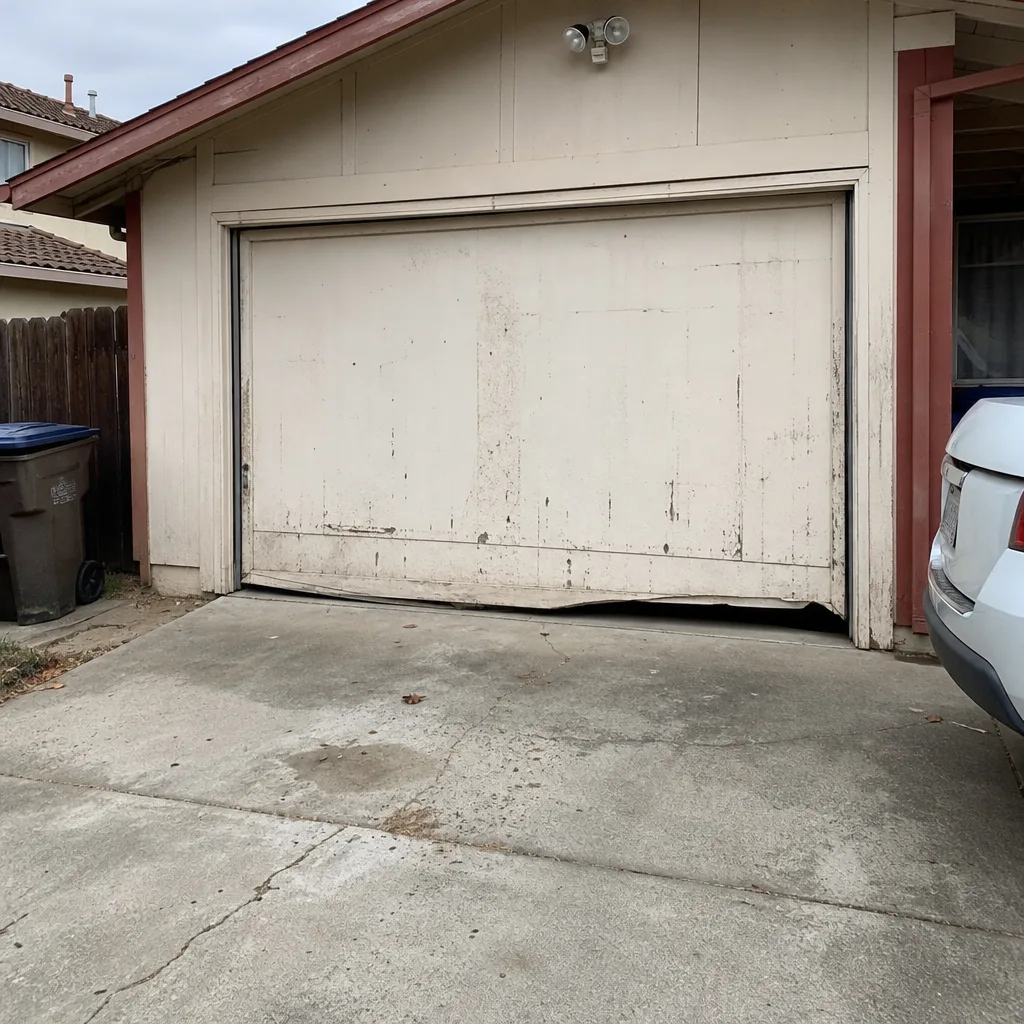 Before
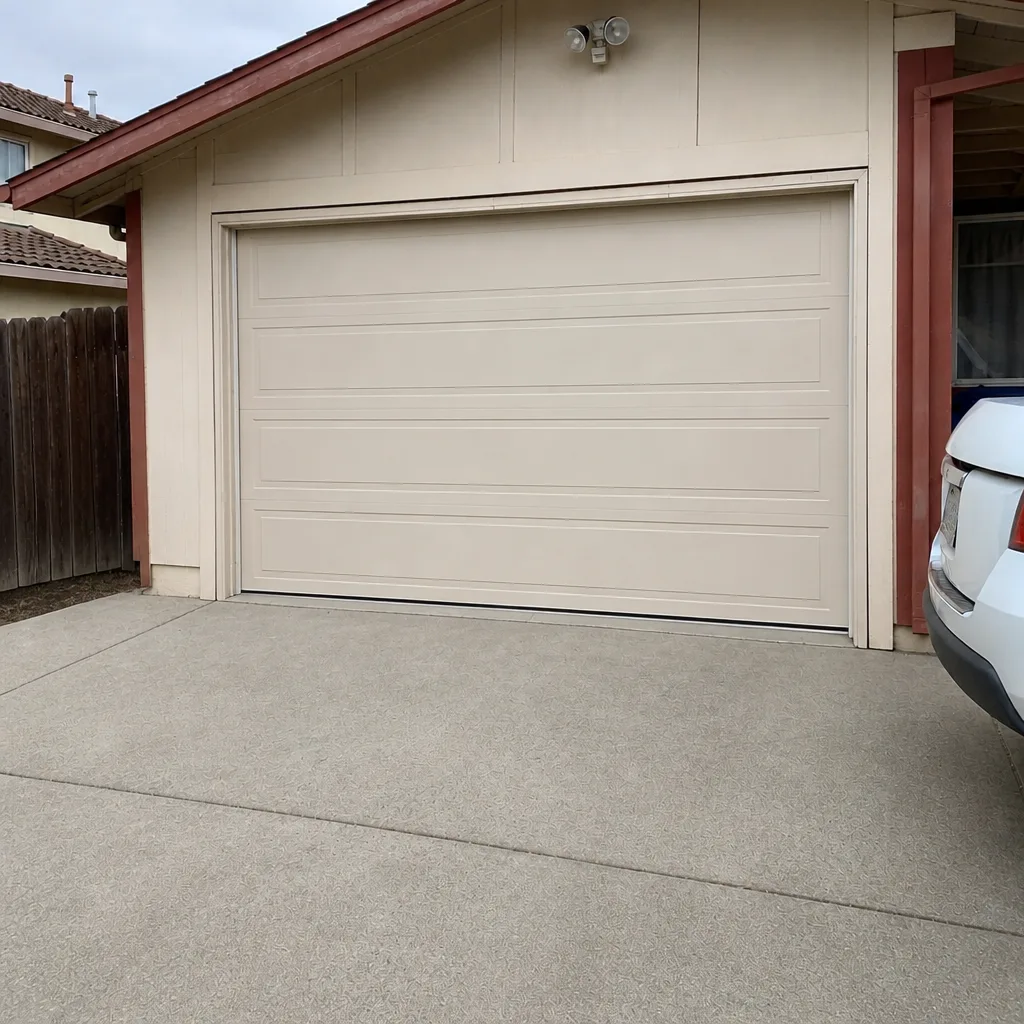 After
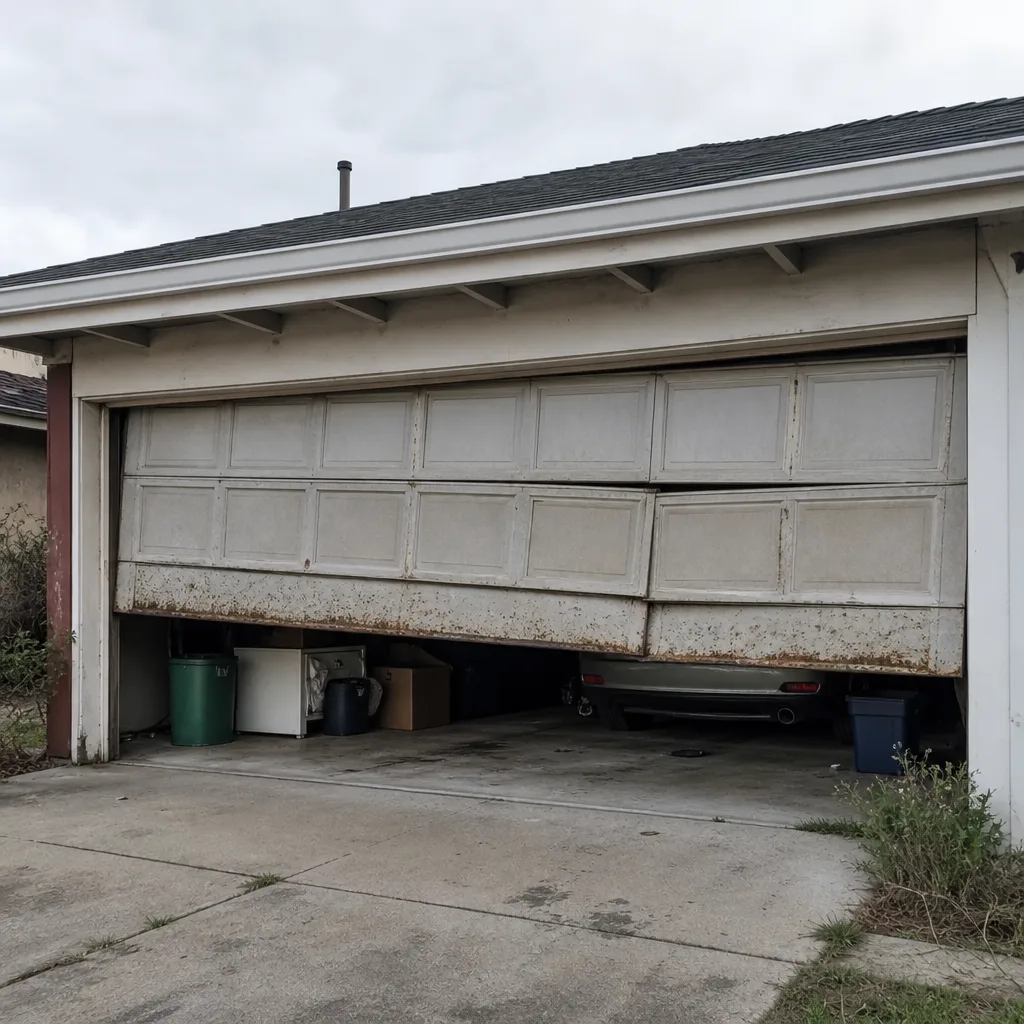 Before
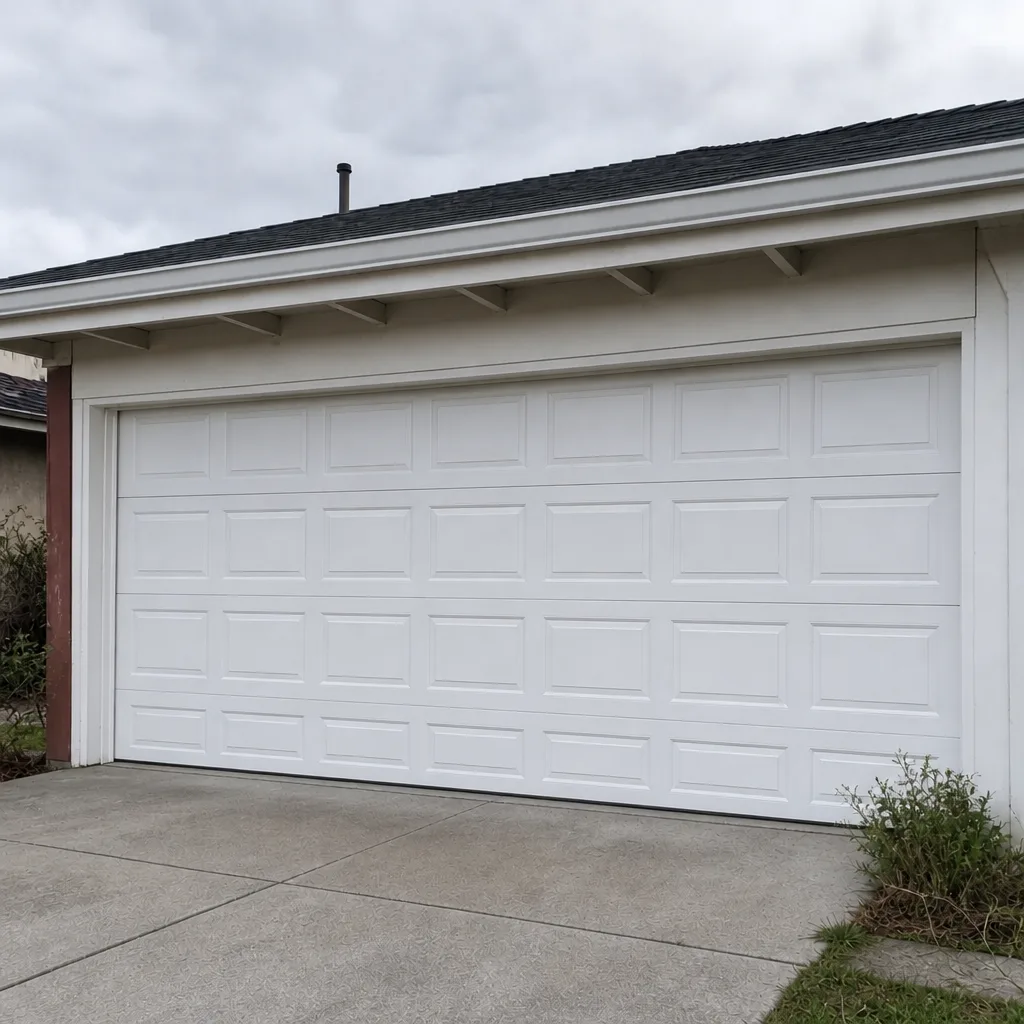 After
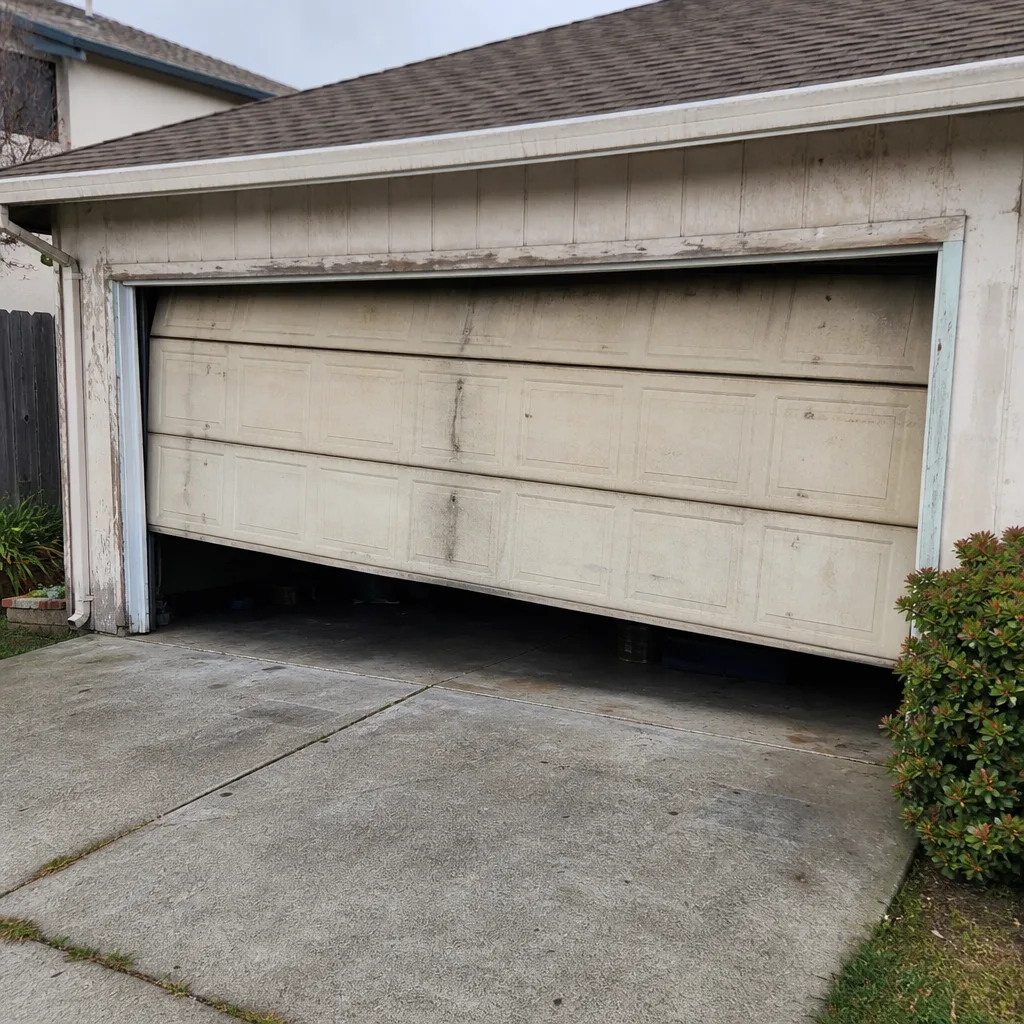 Before
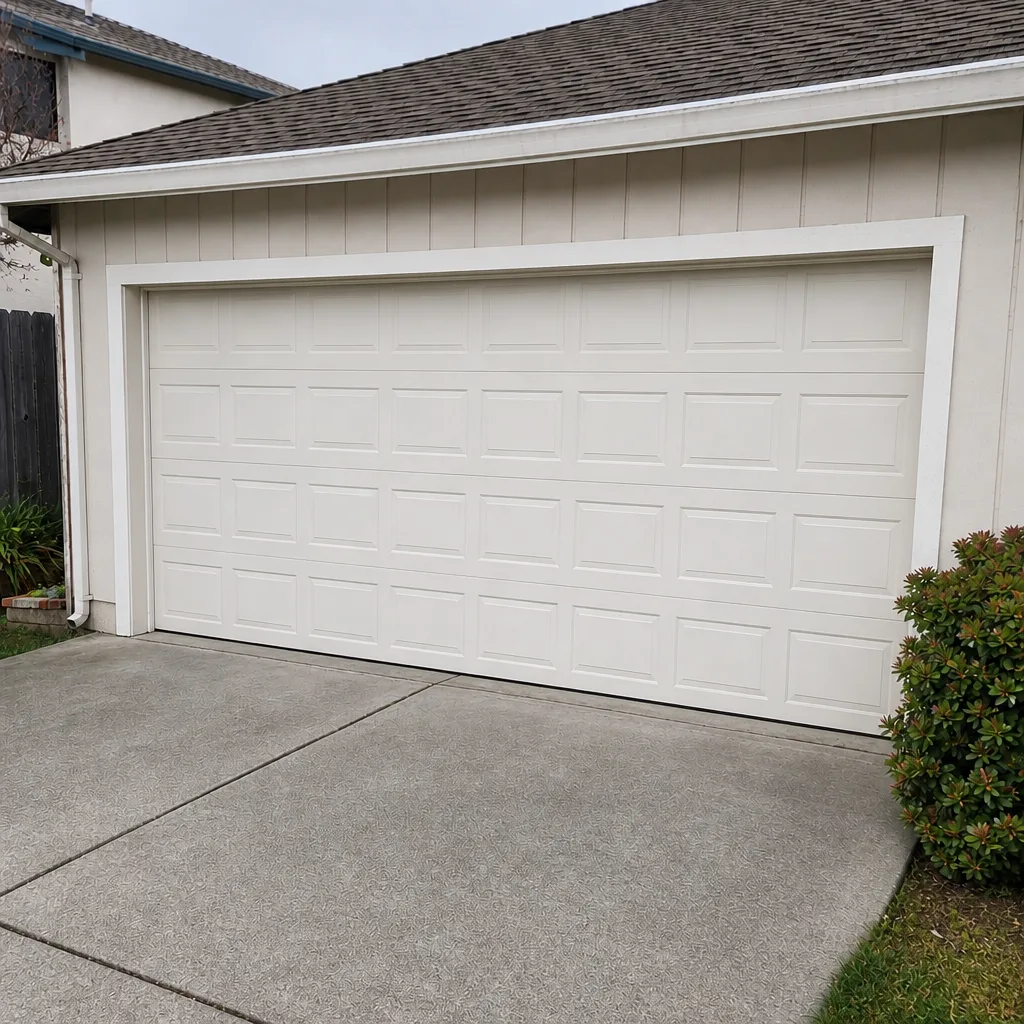 After
When to Call a Professional
Some situations call for a trained technician, not a checklist. Call if a torsion spring is visibly worn, if the door won’t stay balanced, if the opener won’t set its travel limits, if any safety test fails, or if you hear new banging or grinding sounds that repeat. If a cable is frayed or a track is visibly bent, don’t use the door until it’s inspected. Those cases need the eyes of someone who works on doors every day. Sawyer Garage Door Repair offers free estimates in Antioch. Call (866) 944-5178. Our technicians have up to 11 years of experience, and we’re certified to work on eight of the most common brands on the market, including Genie, Clopay, Amarr, and Wayne Dalton. Whether it’s the door, the opener, or a full tune-up, one call covers it.
Frequently Asked Questions
Every three to four months is the right rhythm here, with the two most important passes in late spring (before the June-September heat) and early fall (before the December-February moisture). Lubricating in midsummer, after thermal expansion has already stressed the hardware, is mostly wasted effort. Focus on torsion springs, hinges, and steel roller hubs, and leave nylon rollers dry. Call (866) 944-5178 for an exact quote if you’d rather have a technician handle it.
Torsion springs twist and need a thin coat of white lithium grease on the coils, while extension springs stretch and do better with a silicone-based lubricant. The maintenance tasks differ because the wear patterns differ: torsion springs fatigue with each cycle, and extension springs are more prone to rust and coil wear. If you’re not sure which you have, don’t guess. Call (866) 944-5178 and we can identify the system before you touch anything under tension.
You can safely handle lubrication, visual inspections, hardware tightening, and the monthly safety check. You should not adjust torsion springs, cables, or opener travel limits yourself; those require training and can be dangerous. The line is clear: anything that involves the spring or cable system under tension is a professional job. Call (866) 944-5178 if you’re at that line and want a free estimate.
We don’t quote a single number, because the price is set per job by the written estimate you receive before any work starts. That estimate covers what your specific door and opener need, not a generic package. Free estimates are available, so there’s no cost to find out. Call (866) 944-5178 and we’ll walk you through what a tune-up includes for your system.
Some seasonal noise is normal as hardware expands in the heat, but grinding or banging that repeats on every cycle usually points to a worn roller or an unbalanced door. Check for balance and lubricate if it’s been more than three months, then listen again. If the noise persists, it’s worth a look. Call (866) 944-5178 for a free estimate.
Less than you’d think. The schedule depends more on system type than brand: steel versus wood doors, torsion versus extension springs, belt versus chain openers. Where brand matters is parts and diagnostics, and we work on LiftMaster, Chamberlain, Genie, Clopay, Amarr, Wayne Dalton, Craftsman, and Raynor systems regularly. If your setup is one of those, it’s not new to us. Call (866) 944-5178 with your model and we’ll get you the right answer.
The Bottom Line
A maintenance schedule is only useful if it fits the climate you’re in. In Antioch, that means shifting the heavy lifting to late spring and late fall, running a 60-second safety check monthly, and ranking balance, lubrication, and sensor tests ahead of cosmetic upkeep. The tasks that prevent failure are worth more than the ones that keep the door looking clean. If you’d rather not manage the calendar yourself, that’s what we’re here for. Whether it’s a broken spring, a mismatched opener, a planned tune-up, or a new Antioch installation, we work on eight major brands and cover the whole system. Call (866) 944-5178. We answer 24/7. Fast dispatch from 7am to 7pm, Sunday through Friday. Estimates are free, and the price is set by the written estimate before any work starts.
Written by the team at Sawyer Garage Door Repair.