
Last updated November 16, 2026
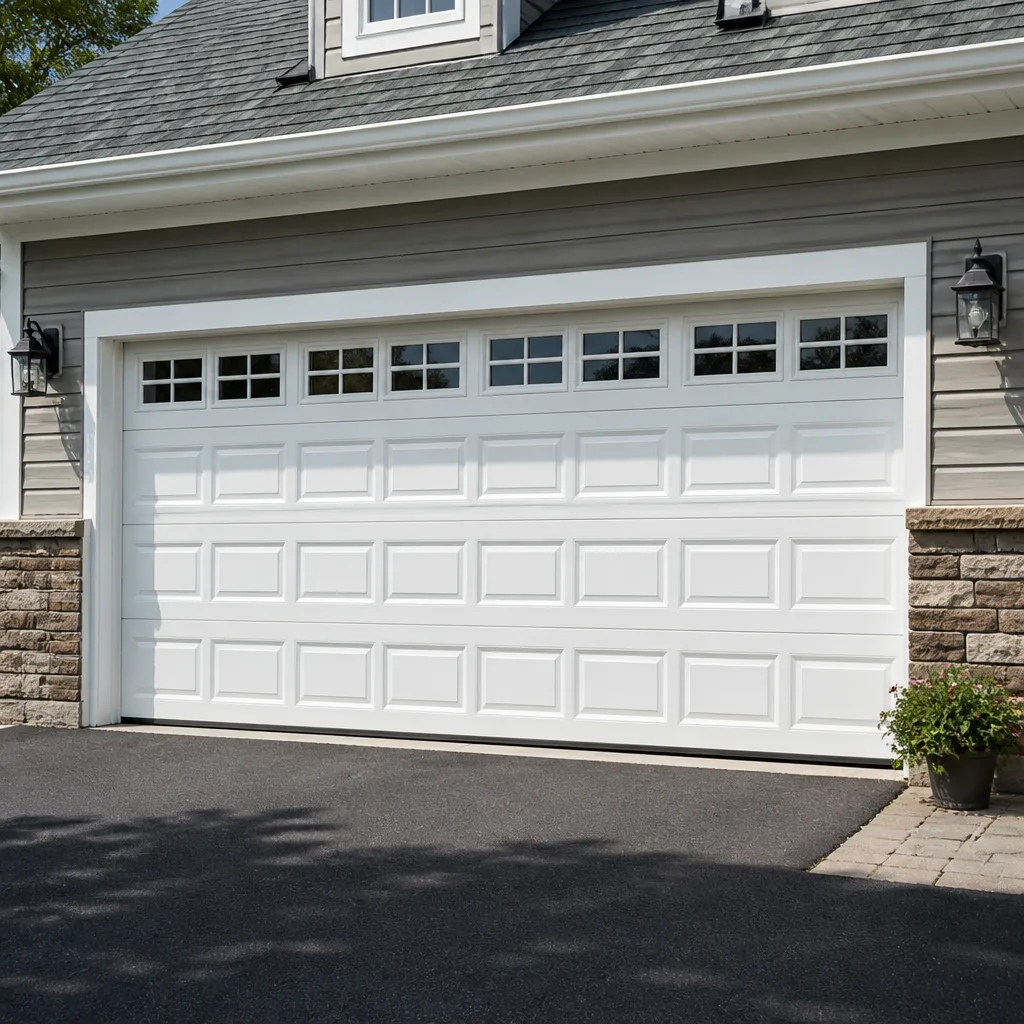 Raised-panel steel
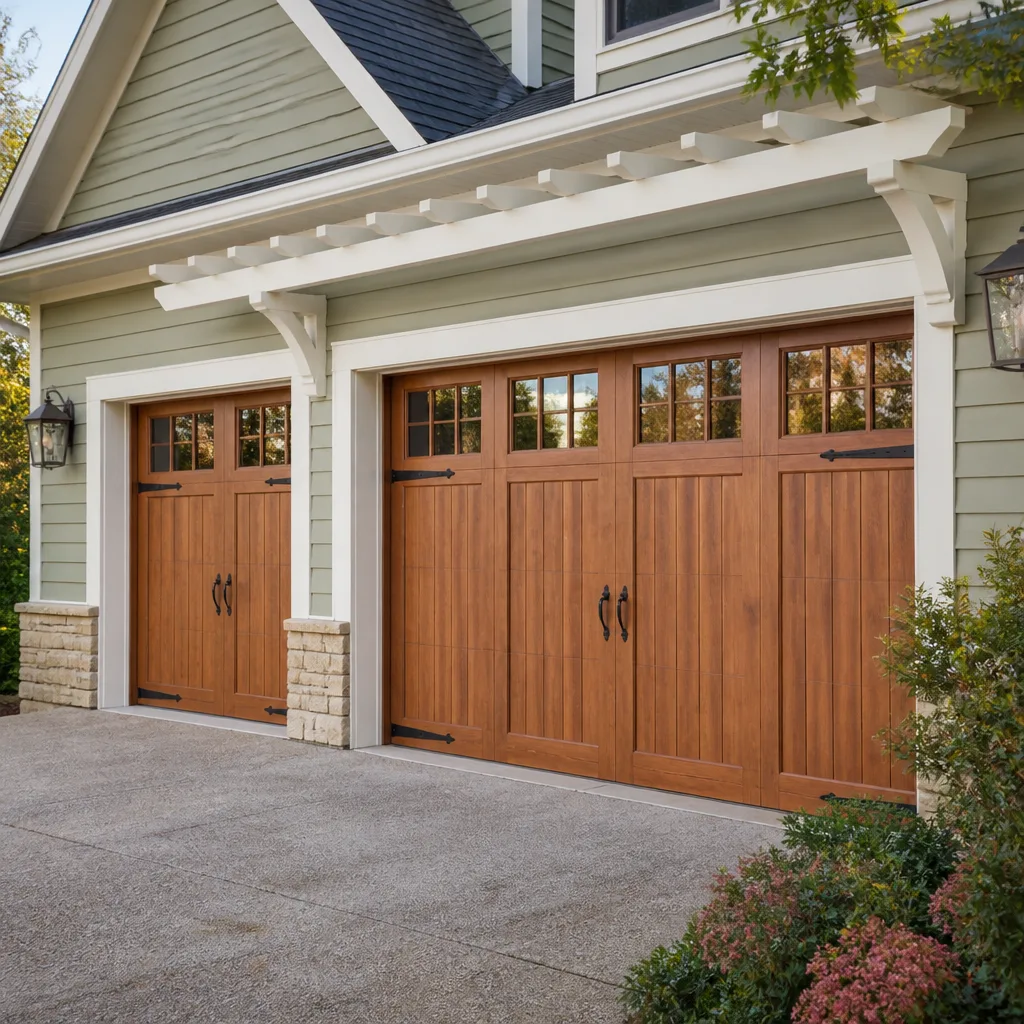 Carriage house
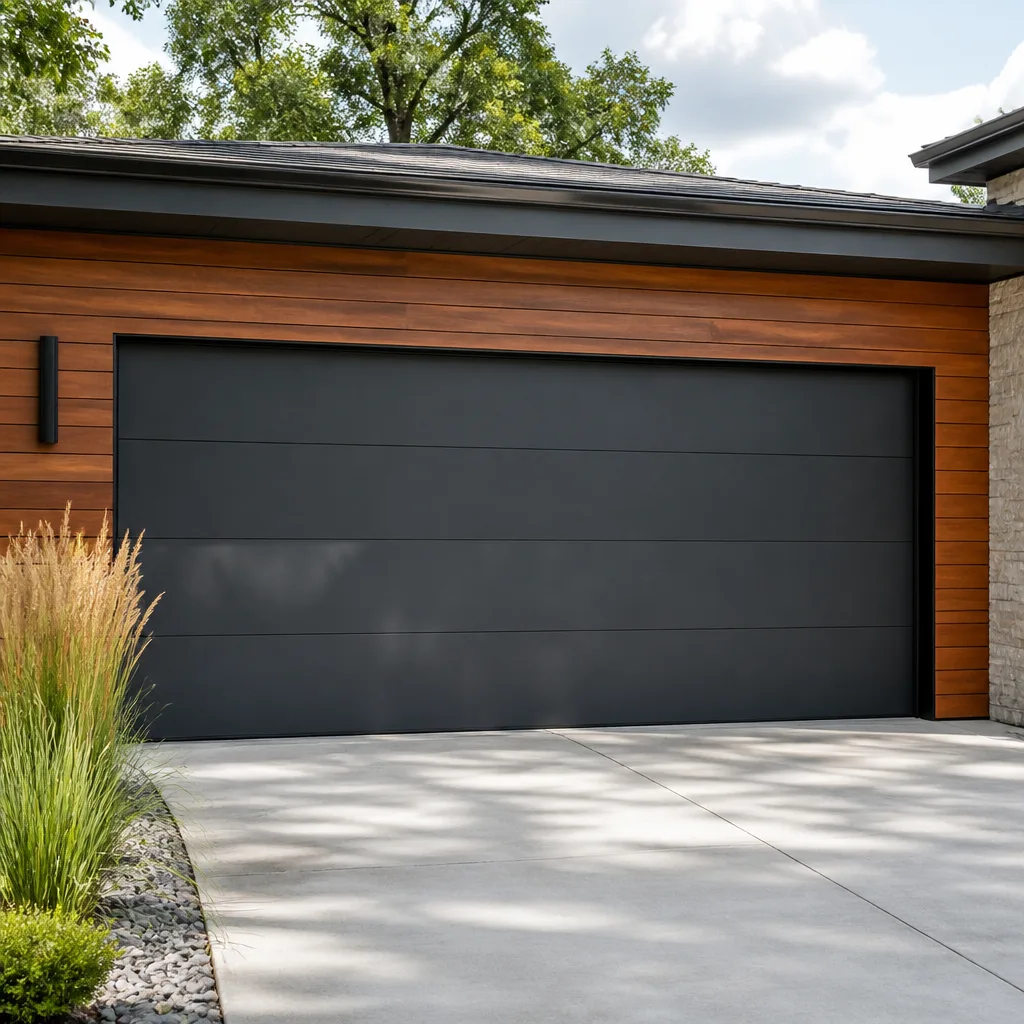 Modern flush
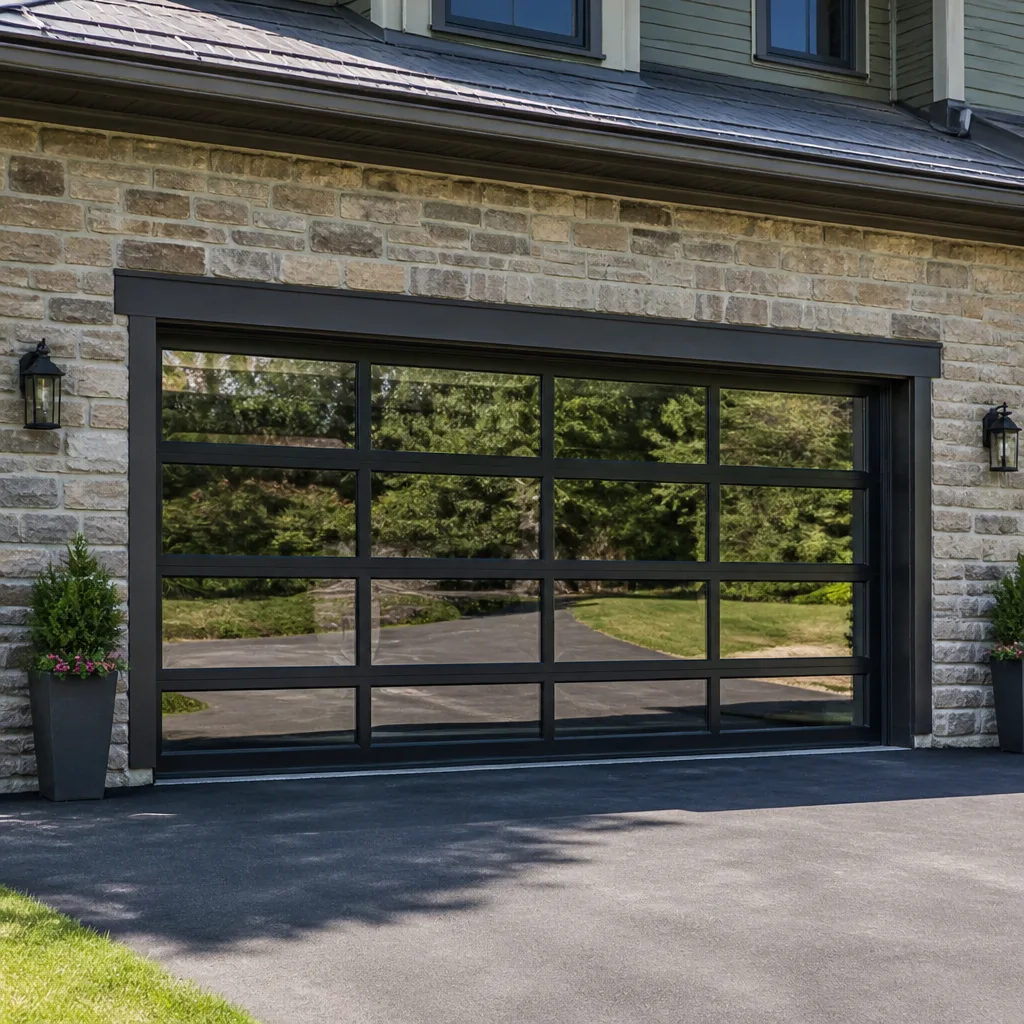 Full-view glass
 LiftMaster openers
 Chamberlain openers
Full 25-point door and opener safety check with every visit - springs, cables, rollers, tracks, and your LiftMaster or Chamberlain opener included
You get a price before we start. It does not change when the pro arrives.
Get your free estimateGarage Door Warning Signs: An Antioch Homeowner’s Reference Guide
Most garage door failures don’t arrive out of nowhere. They send signals for weeks or months first, and most homeowners write those signals off as quirks. A door that’s “a little slow” or “just needs a good pull” isn’t aging gracefully. It’s showing you a specific symptom with a specific cause, and in almost every case it costs far less to address now than after the door stops moving altogether. This guide is built to help you read those signals before they become an emergency call from your driveway in Antioch. You’ll learn what each sound means, which visual signs demand a same-day call, and which ones give you a few weeks to schedule.
Quick Answer
The most important garage door warning signs are grinding or squealing noises, a door that reverses before it closes, visibly worn or stretched cables, and a torsion spring that has started to unwind. Any of these should prompt a call to a trained technician. Most of these failures get worse with every cycle, and a door that’s still opening now may not be by next week.
Styles & brands we work with
- Raised-panel steel
- Carriage house
- Modern flush
- Full-view glass
- LiftMaster openers
- Chamberlain openers
Table of Contents
- Why Garage Door Warning Signs Matter More Than You Think
- What Each Sound Coming From Your Door Actually Means
- Visual Warning Signs: Which Need a Technician Today, and Which Can Wait a Few Weeks
- Why a Door That Reverses Unexpectedly Is Never Just “Glitchy”
- The Warning Signs That Come Before a Torsion Spring Breaks
- Clues You’ll Only Notice From Inside the Garage
- How to Track Warning Sign Progression With a Simple Log
- Why Antioch Homes See These Problems in Their Own Way
Why Garage Door Warning Signs Matter More Than You Think
A garage door is the largest moving object attached to most homes. It runs on a counterbalance system, a torsion spring or a pair of extension springs, a track, and a set of rollers, all pulled by an opener that has to do very little of the actual lifting. When one part of that chain starts to wear, the others compensate. The door keeps opening. The noise gets a little louder. The travel gets a little slower. Nothing breaks yet, so nothing seems wrong.
That compensation period is where the real damage hides. A worn roller doesn’t just sound bad. It grinds against the track every cycle, and the track eventually develops a worn groove that has to be replaced. A slightly loose cable doesn’t just look slack. It slips a little further at the drum each time, and eventually it slips off completely. A spring that’s lost some of its tension doesn’t fail immediately. It works the opener harder, and the opener’s gear and belt wear faster.
This is why Sawyer Garage Door Repair treats small symptoms as early warning signs worth investigating, not as things to shrug off. Garage doors are all we do, which means we hear the same progression of complaints again and again, and we can usually predict which callbacks a homeowner would have avoided by acting on the first symptom. In our experience, a minor sound caught early is a fraction of the job compared to the same door three months later.
You don’t need to diagnose the problem yourself. You do need to notice it, and to know which signals are urgent and which aren’t. That’s what the rest of this guide covers.
What Each Sound Coming From Your Door Actually Means
Sound is the fastest diagnostic tool you have, and it’s free. A garage door that’s working correctly should sound like a low, steady hum punctuated by a soft thunk at the finish. Anything else is information. Here’s how to translate the four sounds we hear most often in Antioch.
Grinding
Grinding is the most common complaint we hear, and it almost always involves metal against metal. The usual suspects are dry rollers, worn track, or a bend in the track where a roller struggles to pass. If the grinding happens in one specific spot on the track, that’s a structural issue with the track alignment. If it happens through the whole travel, suspect the rollers. Grinding gets worse because the friction creates wear, and the wear creates more friction.
Squealing
Squealing is usually a lubrication and bearing issue rather than a structural one. Worn rollers, dry hinges, and a torsion bar without proper lubrication all cause it. Squealing is a warning to lubricate and inspect, and it’s one of the cheaper sounds to address. Left alone, it progresses into grinding as the underlying parts wear through their surfaces.
Banging or Popping
A banging or popping noise is a louder signal. If it comes at the very start or very end of travel, suspect the opener’s limit settings or the door hitting the floor or the header roughly. If it comes from the torsion bar above the door, that’s a spring issue. Never ignore a sudden single bang from the top of the door, especially when the door is barely moving. That’s the sound of a torsion spring failing, and the door is now being held up by an unbalanced, dangerous system.
Clicking
Clicking usually lives in the opener head or at the photo-eye sensors, not the door itself. A repeated click with no movement could be a stripped opener gear, a failed capacitor, or an obstruction in the sensor beam. If your door clicks and doesn’t move, that’s a garage door opener repair call. The opener and its drive system aren’t the door’s problem; they’re a separate component with its own diagnosis, and it’s one we handle as a core service.
Visual Warning Signs: Which Need a Technician Today, and Which Can Wait a Few Weeks
The hardest part of being a homeowner is knowing when a symptom is urgent. Here’s the split we use. If you see anything in the first list, stop using the door and call. If you see anything in the second, note it and schedule within a few weeks rather than waiting for it to become urgent.
Call a technician today
- A visibly broken or kinked torsion spring above the door. The door may still be moving slightly, but it’s being held up by the opener alone, which is not designed for it.
- A door that hangs at an angle when it should be level. Uneven travel means an unbalanced system, and it’s dangerous to operate.
- Cables that are frayed, kinked, slack, or off their drum. Cables under tension can snap without warning, and they’re one of the most dangerous components on the door.
- A door that falls more than a few inches when you release it manually. That’s a spring or balance failure, not an opener problem.
- Any track that’s been pushed out of alignment, or any door that’s come off its track. Do not force it back. Call us.
- A door that reversed and now barely moves, or won’t move at all. Intermittent reversing means an active sensor or logic fault.
Schedule within a few weeks
- Grinding or squealing on a door that otherwise travels smoothly.
- A door that opens and closes with a slight shudder or wobble.
- Rollers that look visibly flat-spotted or have lost their rubber sleeve.
- A door that feels slightly heavier than it used to when you lift it manually.
- Weather stripping that’s cracked, missing, or let light through when the door is down.
- Photoelectric sensors that have been nudged off their brackets.
That second list is the one that gets ignored, and it’s usually where the expensive repairs start. If a symptom is on that list, note the date you first noticed it, and schedule a technician before the next symptom shows up. In Antioch, when the hot summer months settle in and the door sits in the sun most of the day, we see more doors in that gray zone than at any other time of year. Calling us while the door is still functional gives us a much easier diagnosis than calling after it stops.
Why a Door That Reverses Unexpectedly Is Never Just “Glitchy”
A garage door that reverses before it fully closes is a specific safety symptom. It’s supposed to stop and reverse when something blocks the closing path. When it reverses with nothing in the way, that’s a fault the door is telling you about. It always has a diagnosable cause, and it’s one of the most important warnings to take seriously because it involves the safety of the whole closing system.
There are three broad causes, and each one leads to a different repair:
- Misaligned or failed photoelectric sensors. The safety eyes mounted at the base of the track beam a light across the opening. If they’re knocked out of alignment, dirty, or the lens has failed, the door reads them as blocked and reverses. This is the most common cause we diagnose in Antioch.
- Spring or balance failure. If the spring isn’t providing the counterbalance the opener expects, the opener detects too much resistance and reverses to avoid crushing something. The symptom looks electrical, but the cause is mechanical.
- Logic board or opener fault. The opener’s control board can misread a sensor signal, or a travel-limit setting can tell the door it’s already reached the floor. Modern LiftMaster, Chamberlain, Genie, and Craftsman openers all have their own diagnostic light codes. We work on all four of those systems, so we can read what the opener is telling us instead of guessing.
The order matters. A door that reverses because of a sensor is a quick fix. A door that reverses because of a spring is a safety call, and operating the door again can damage the opener. Don’t reset the opener repeatedly to get the door closed. Call a technician and let the diagnostic come first.
The Warning Signs That Come Before a Torsion Spring Breaks
The torsion spring is the most dangerous and disruptive failure point on any garage door, and it’s also one of the most predictable. A spring holds enough stored energy to move the door on its own, which is why it can cause serious injury if it’s touched without training. Warning signs to watch for:
- The door feels heavier than it used to. Manual lift should require only one hand and light effort. If it takes two hands or leaves you winded, the spring is losing tension.
- The opener struggles on the first open of the day. A door that opens fine later in the day but strains on the first attempt is telling you the spring isn’t holding initial tension.
- A visible gap in the coil. Look at the torsion spring above the door with the door closed. Any break, gap, or stretch marks in the coil means the spring has failed or is failing.
- A rusty or dry-looking spring. Rust and dryness accelerate fatigue. A spring that’s been in place for many years can look fine and still fail with no warning, but visible corrosion is a sign it’s closer to the end of its life.
- A bang from the top of the door. That’s the spring failing. Once you hear it, stop using the door until a technician has been out.
A safety caveat worth repeating: never attempt to adjust, wind, or replace a torsion spring yourself. The stored energy in a wound spring can release in a fraction of a second, and the tools used to work on them are specialized. This is a job for a trained technician with the right tools every time. Our technicians have up to 11 years of experience, and even we treat torsion springs as the part of the door that demands the most caution. If you suspect a spring is failing, call and let us diagnose it, not a neighbor with a wrench.
Clues You’ll Only Notice From Inside the Garage
Most homeowners watch their door from the driveway, which is the view from outside. The inside of the garage tells a different story, and some of the most reliable warning signs live there. Take a look at the interior of the door and the hardware above it.
- Rollers that have become loose in their brackets. A wobbly roller will eventually pop out of the track.
- Hinges that show rust or have hairline cracks at the bend. Hinges hold the door panels together, and a worn hinge puts stress on the panel itself.
- A torsion bar that’s visibly bowed or misaligned. The bar should be straight, and any bow is a structural signal.
- Weather stripping on the sides and bottom that’s cracked, torn, or missing. In Antioch, gaps in the weather stripping let in summer heat and insects, and they make the door work harder to seal.
- Daylight visible along the top or sides when the door is closed. That’s a seal failure, not a door failure yet, but it’s the earliest sign the door isn’t sitting level.
- Loose lag bolts where the track attaches to the wall. Check the bolts visually; a track that’s shifting will start to bind, and the whole system struggles.
Look at the inside of the door from the garage for the same information a technician uses during a diagnostic. Taking a few photos with your phone of anything that looks off helps us understand the progression when you call.
How to Track Warning Sign Progression With a Simple Log
A log turns vague symptoms into useful diagnostic information. You don’t need anything fancy: a note in a notebook, a labeled note on your phone, or a text draft to yourself works. The log does two things. It makes the technician’s job faster, and it gives you a written record for warranty or insurance purposes if the door reaches a covered failure.
Here’s the log structure that works:
- Date you first noticed the symptom. A single date is the anchor for everything else.
- What you observed in one sentence. “Noticed grinding on the way up, right side of the track.” Be specific about which side of the door.
- Which operations trigger it. Opening, closing, both, the first operation of the day, the last one.
- One line about anything that’s changed. A new opener remote, a recent painting of the door, a storm, or just “no change.”
- A photo, if you can take one. A photo of a worn roller or a gap in the spring is worth more than a paragraph of description.
Bring the log to the call. In our experience, a homeowner who can say “grinding started three weeks ago, right side only, worse on the first open” hands us a much faster diagnosis than “it’s been making noise.” That’s not just our convenience. It’s the difference between a same-day repair and a return trip for a part we didn’t expect to need.
Why Antioch Homes See These Problems in Their Own Way
Antioch has a few local patterns that shape which warning signs show up first. The valley heat over the summer is hard on weather stripping and rubber parts. Doors facing south or west get more direct sun, and that accelerates the wear on the seals and the finish. Homes in the older parts of Antioch, closer to the riverfront and the downtown grid, tend to have older door hardware that’s more likely to be in the “schedule within a few weeks” category. Newer builds toward the eastern side of the city often have newer doors with smart openers, where the warning signs are more likely to show up as error codes and sensor faults than as worn mechanical parts.
We work on Genie, Clopay, Amarr, and Wayne Dalton doors and openers across Antioch, along with LiftMaster, Chamberlain, Craftsman, and Raynor. The point isn’t to list brands. It’s that when you call us from a home in Antioch, we’re not guessing which system we’re walking into. Most doors we service are back in operation the same visit. If you’re not sure whether a sound is worth a call, you can read more about our garage door repair service and see whether your symptom matches what we handle, or just call us and describe what you’re hearing. For a broader picture of the city and the neighborhoods we work in, see our Antioch page.
One more local note: we don’t handle snow or ice damage because those aren’t the problems Antioch sees. What we do see is dust, heat, and doors that have sat unused for a while through the cooler months. A door that’s been sitting idle from fall through spring is more likely to show a spring warning sign in its first few cycles when the weather warms up again, which is why we tend to hear from Antioch homeowners most in the transition months.
Common Mistakes to Avoid
- Ignoring a grinding sound for months. Grinding on a roller is cheap to fix. Grinding on a worn track after months of contact isn’t. The sound is the door asking for help.
- Assuming a reversing door is a sensor glitch. A door that reverses unexpectedly may have a failing spring or a logic board fault, and resetting it repeatedly can damage the opener.
- Trying to lubricate a torsion spring or cable. Lubrication on the rollers and hinges is fine. The spring and cables are tension components, and they need a technician, not a spray can.
- Pulling the manual release to test the door without support. If the spring is compromised, releasing the door manually can let it drop hard. Only test the manual release if you’re sure the door is balanced and can support itself.
- Calling a general handyman for a garage door symptom. A symptom that looks simple can be a spring, a cable, or a logic board failure, and a generalist is more likely to miss the actual cause. Garage doors are a specialty, and diagnosis is where the specialty matters.
- Waiting for the weather stripping to tear completely. Minor cracks in the weather stripping let heat and insects in, and they make the door work harder every day. Small seals are a quick fix.
- Forgetting to test the safety reverse. Place a small object in the door’s path and close it. If it doesn’t reverse, the safety mechanism needs service. That’s not a warning sign; it’s a test you should do periodically.
See the difference
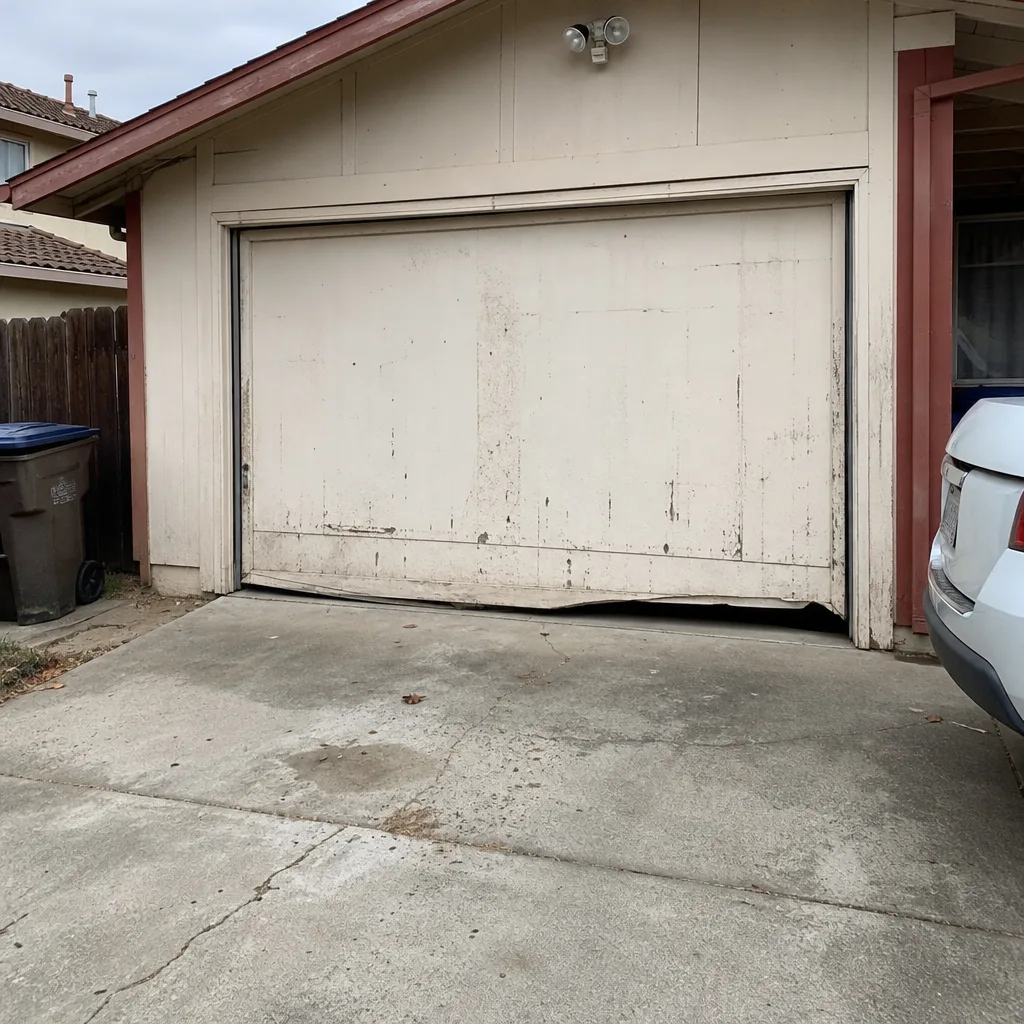 Before
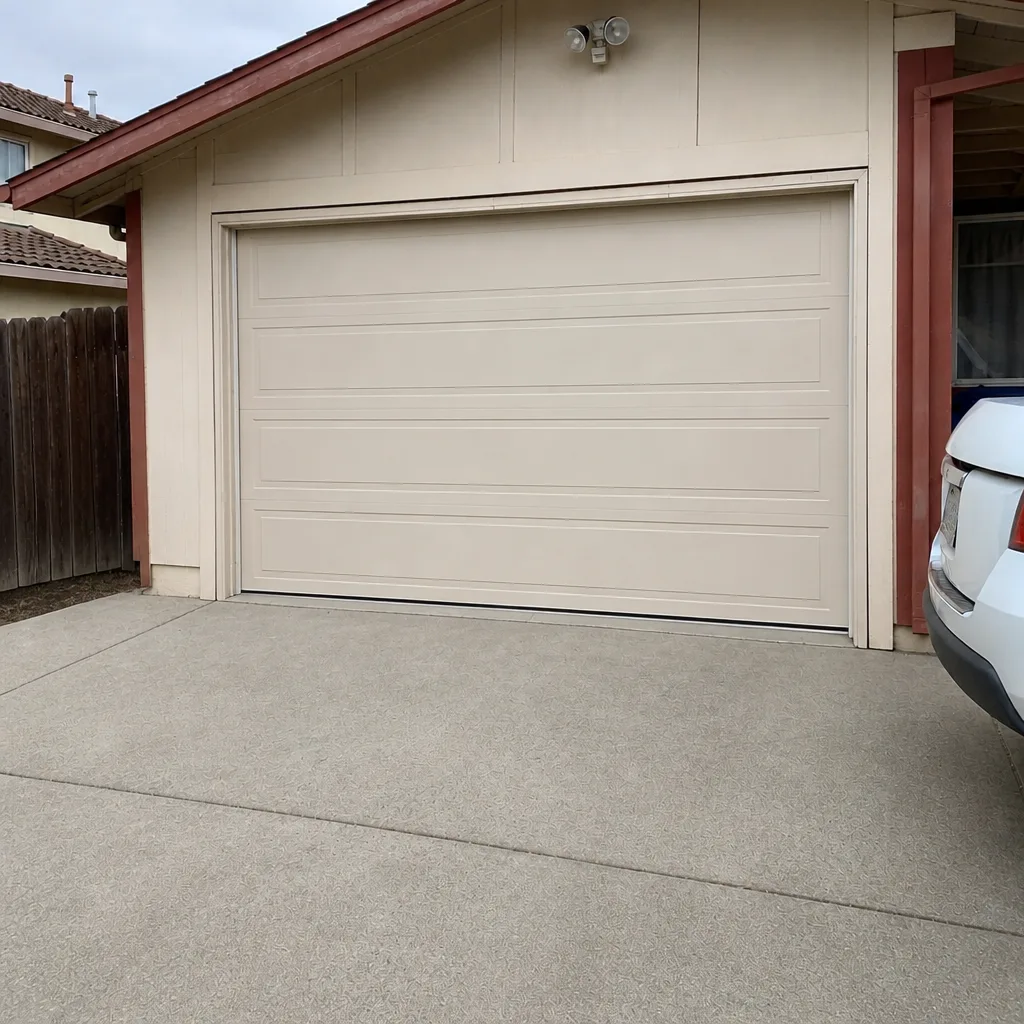 After
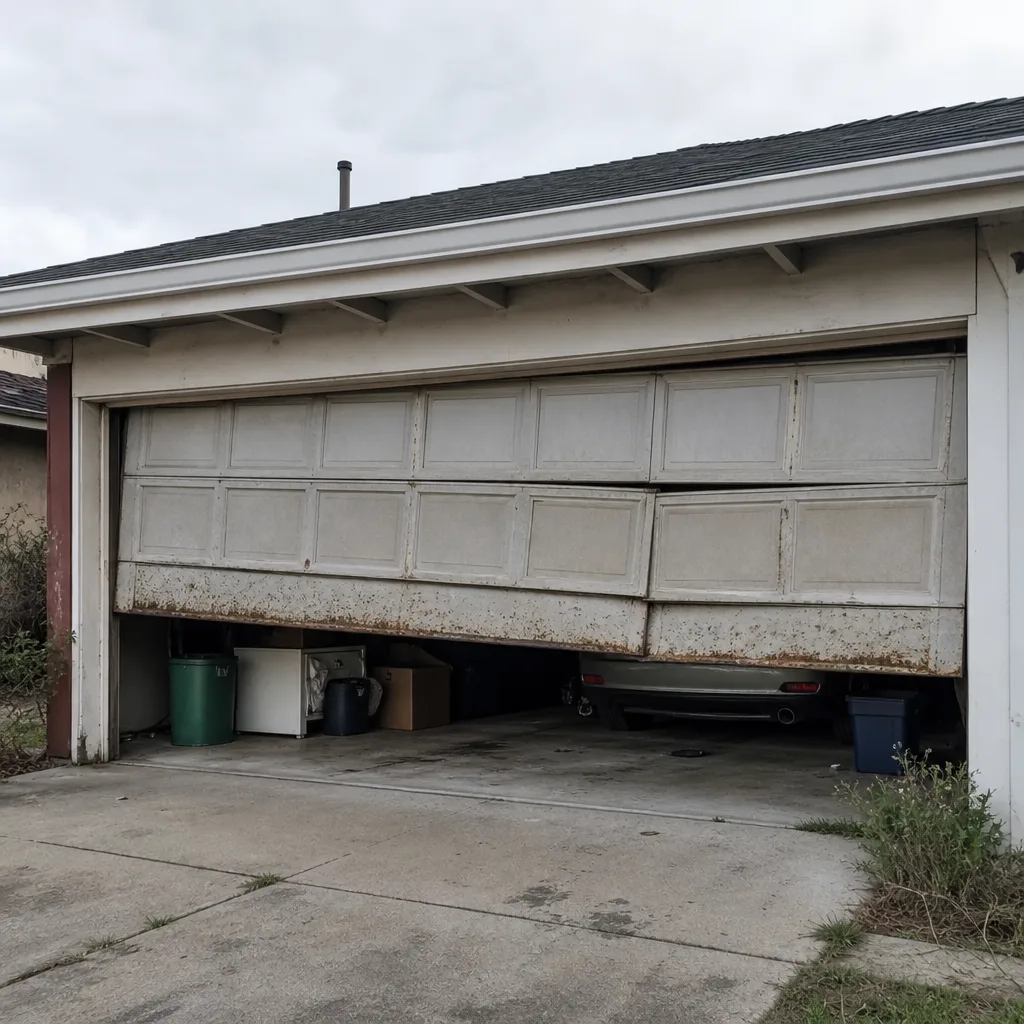 Before
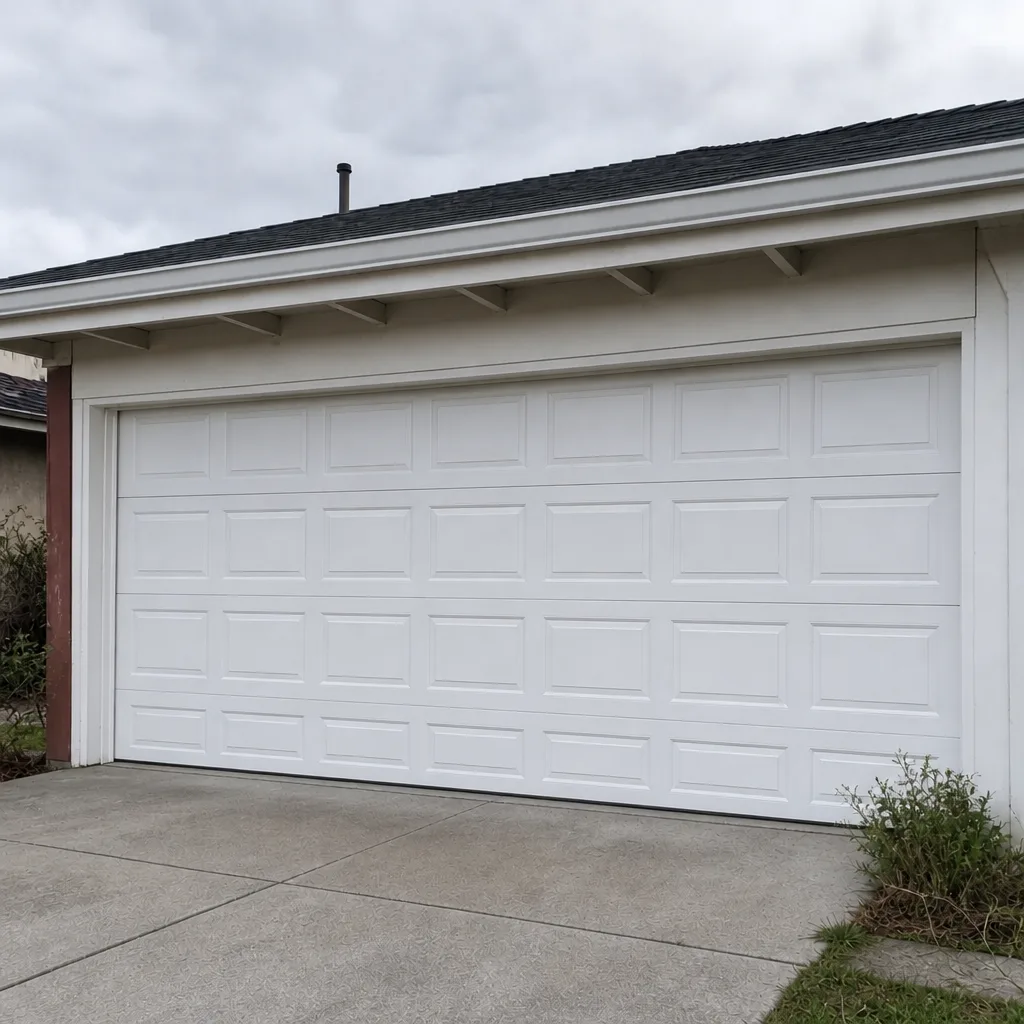 After
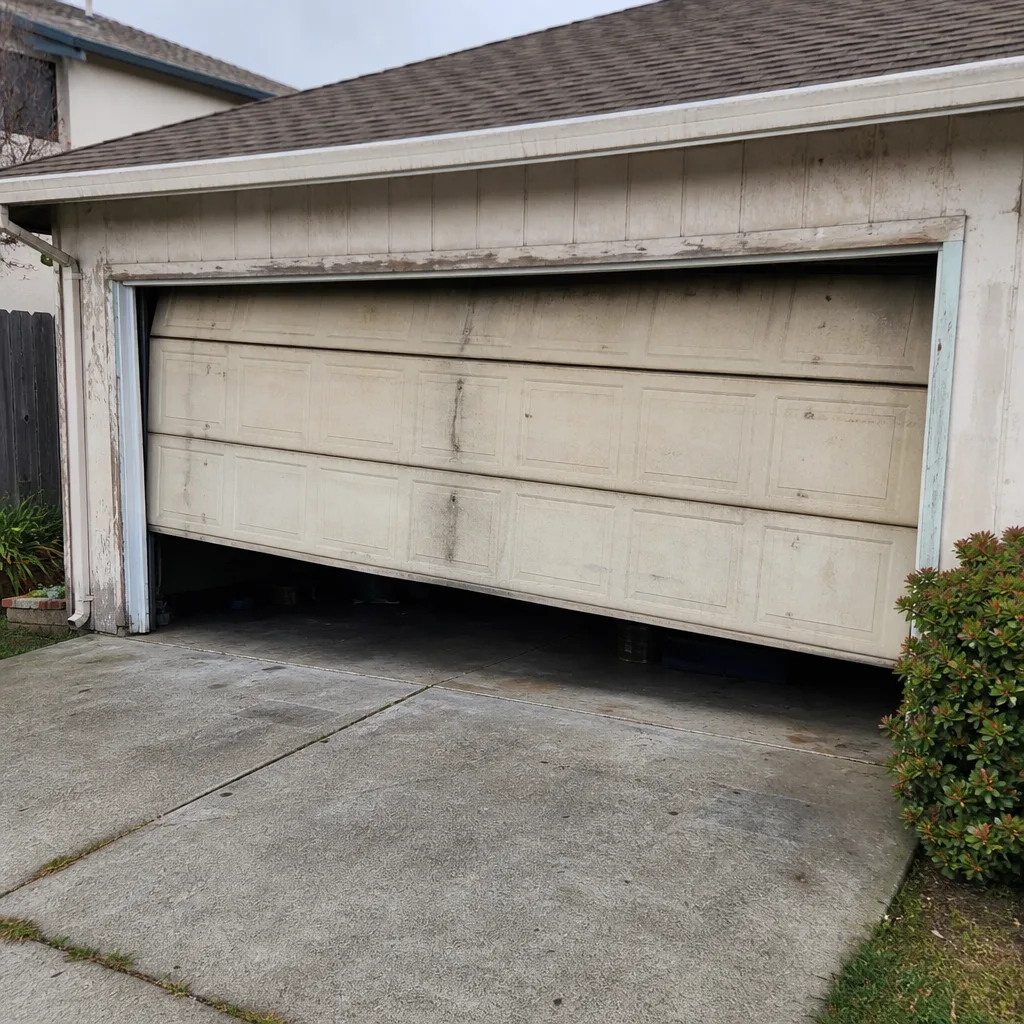 Before
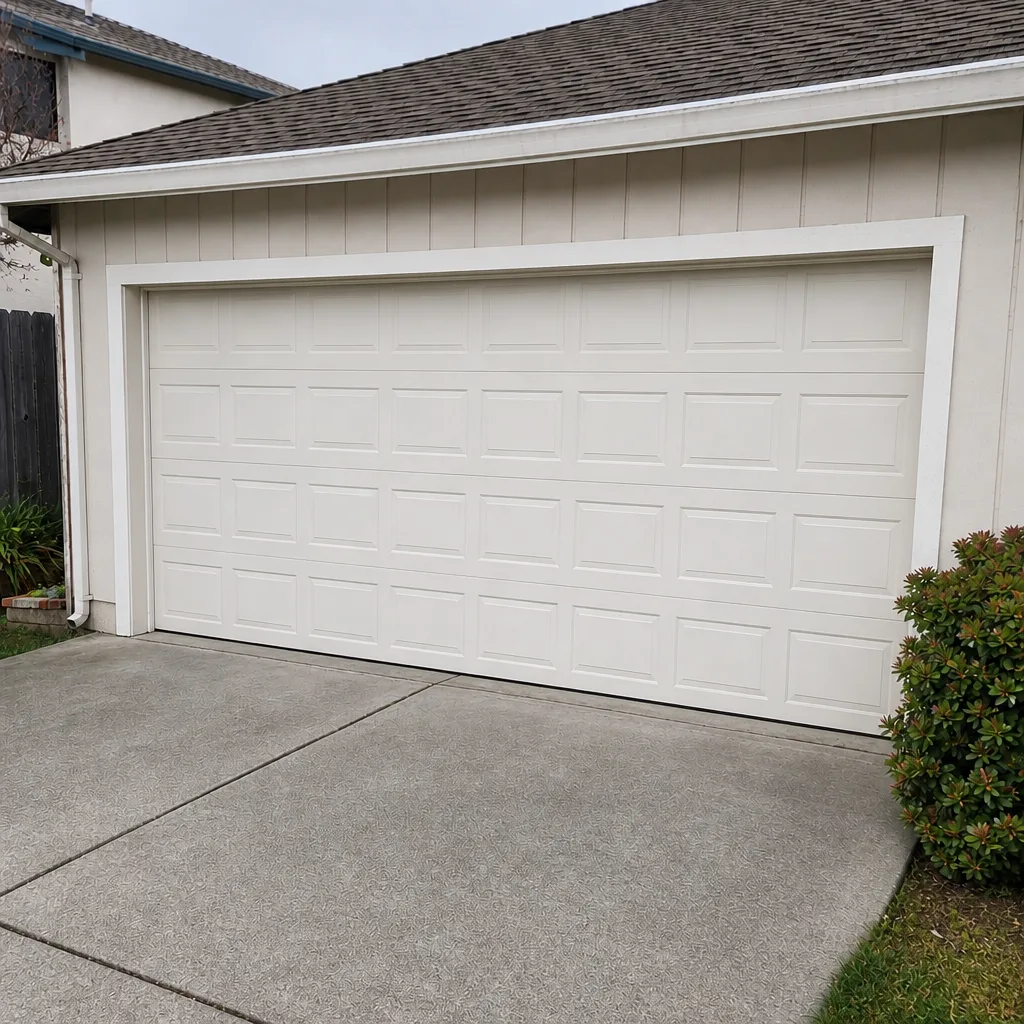 After
When to Call a Professional
Call us when a door reverses on its own, when you see a broken spring or cable, when the door hangs unevenly, or when you hear a bang at the top of the door. Also call if a grinding or squealing noise has been there for more than a few weeks and hasn’t settled. And call if a door has been idle for a season and the first few cycles feel heavy. Those are the situations where a trained eye saves the most money. Sawyer Garage Door Repair offers free estimates in Antioch and works on the door, the opener, or a new installation. One call covers it. Call (866) 944-5178. We answer 24/7. Fast dispatch from 7am to 7pm, Sunday through Friday.
Frequently Asked Questions
The most common warning signs we see in Antioch are grinding or squealing during travel, a door that feels heavy when lifted manually, and a door that reverses on its own. Heat and dust through the summer make weather stripping and roller wear more noticeable here than in cooler areas. Call (866) 944-5178 for an exact quote on your door. Estimates are free.
Repair cost in Antioch depends on the component: a roller or hinge problem is a quick job, while a spring replacement or opener logic board repair is a larger one. The written estimate sets the final price, and it’s quoted and agreed before any work starts. Call (866) 944-5178 for an exact quote. Estimates are free.
No. Grinding is friction, and friction creates wear, so the condition always gets worse without intervention. A roller or a hinge that’s grinding today is putting wear on the track every time you open the door. Call (866) 944-5178 for an exact quote. Estimates are free.
Not always an emergency, but always a symptom that needs diagnosis. A door reversing because of a misaligned sensor is a quick fix. A door reversing because of a failing spring is not, and continuing to operate it can damage the opener. Call (866) 944-5178 for an exact quote. Estimates are free.
No. The written estimate is quoted and agreed before any work starts, so you know the price before we touch the door. If we find something unexpected during the repair, we’ll tell you about it and get your approval before doing the work. Call (866) 944-5178 for an exact quote. Estimates are free.
Yes. Our technicians are licensed and insured, and they have up to 11 years of experience. We work on doors and openers from the major brands, including Genie, Clopay, Amarr, Wayne Dalton, LiftMaster, Chamberlain, Craftsman, and Raynor. Call (866) 944-5178 for an exact quote. Estimates are free.
The Bottom Line
Your garage door is not a silent machine. It’s telling you what it needs, usually weeks before it stops working, and the trick is knowing what to listen for. Grinding and squealing point to rollers, tracks, and hinges. A reversing door points to sensors, a spring imbalance, or a logic board. A torsion spring failure is preceded by specific signs, and it’s the one symptom that deserves the most caution. Keep a simple log. Know which signs need a technician today. And don’t wait for the door to stop completely before you call. Written by the team at Sawyer Garage Door Repair.
Call Sawyer Garage Door Repair at (866) 944-5178 for a free estimate. We answer 24/7. Fast dispatch from 7am to 7pm, Sunday through Friday.
Written by the team at Sawyer Garage Door Repair.