
Last updated November 16, 2026
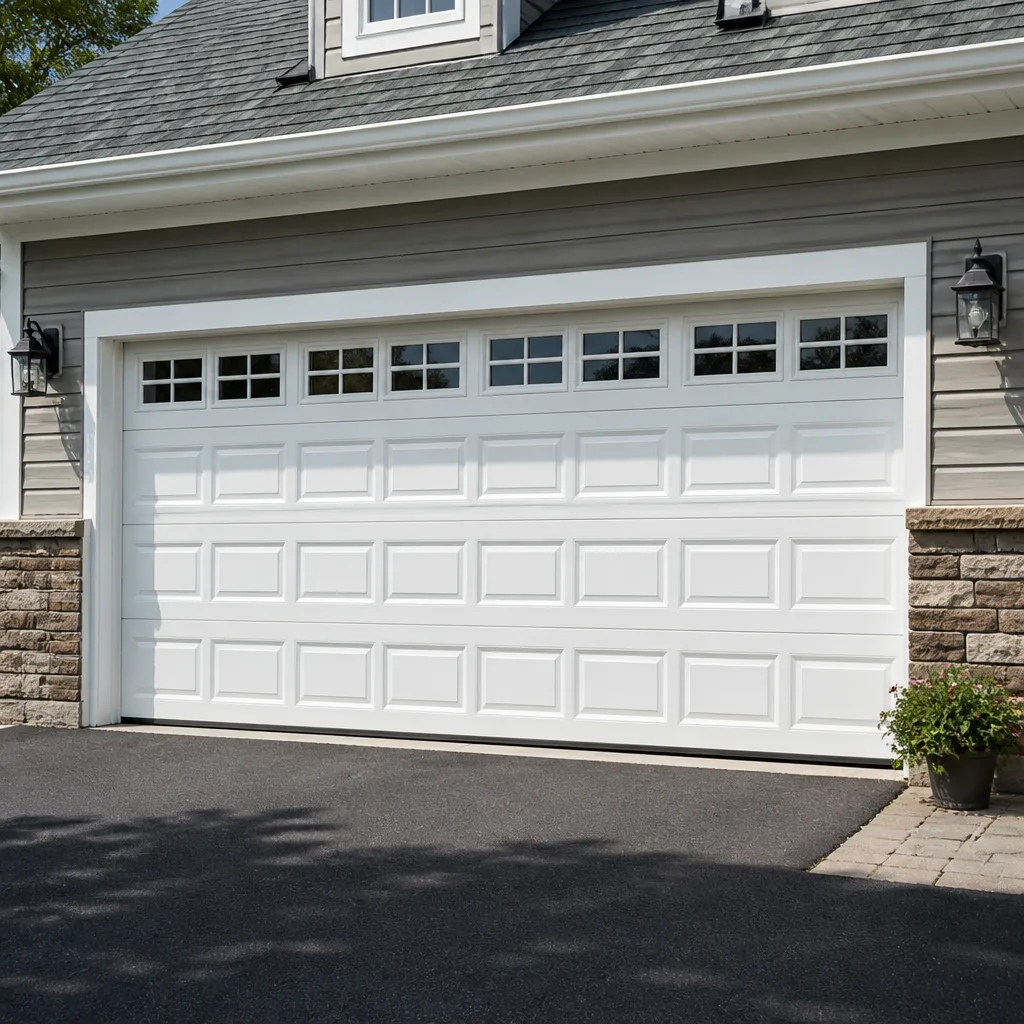 Raised-panel steel
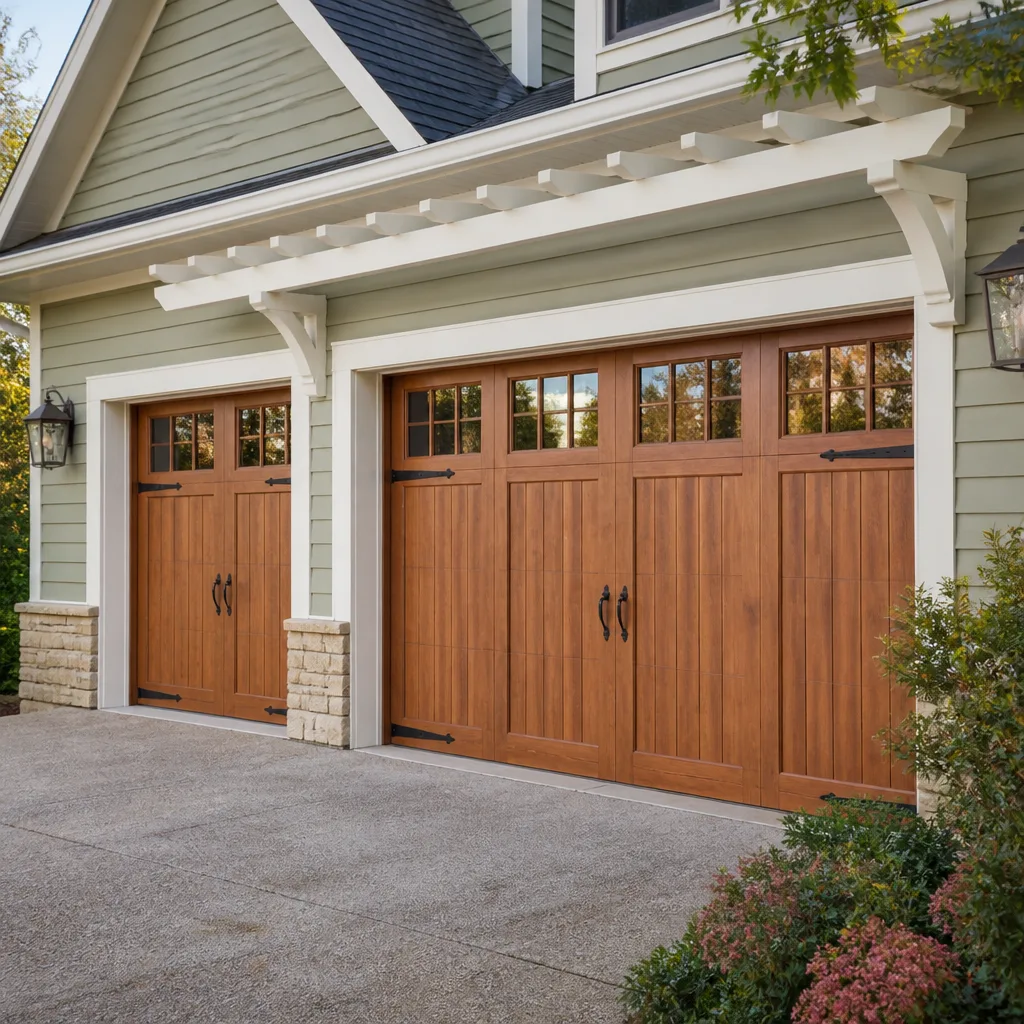 Carriage house
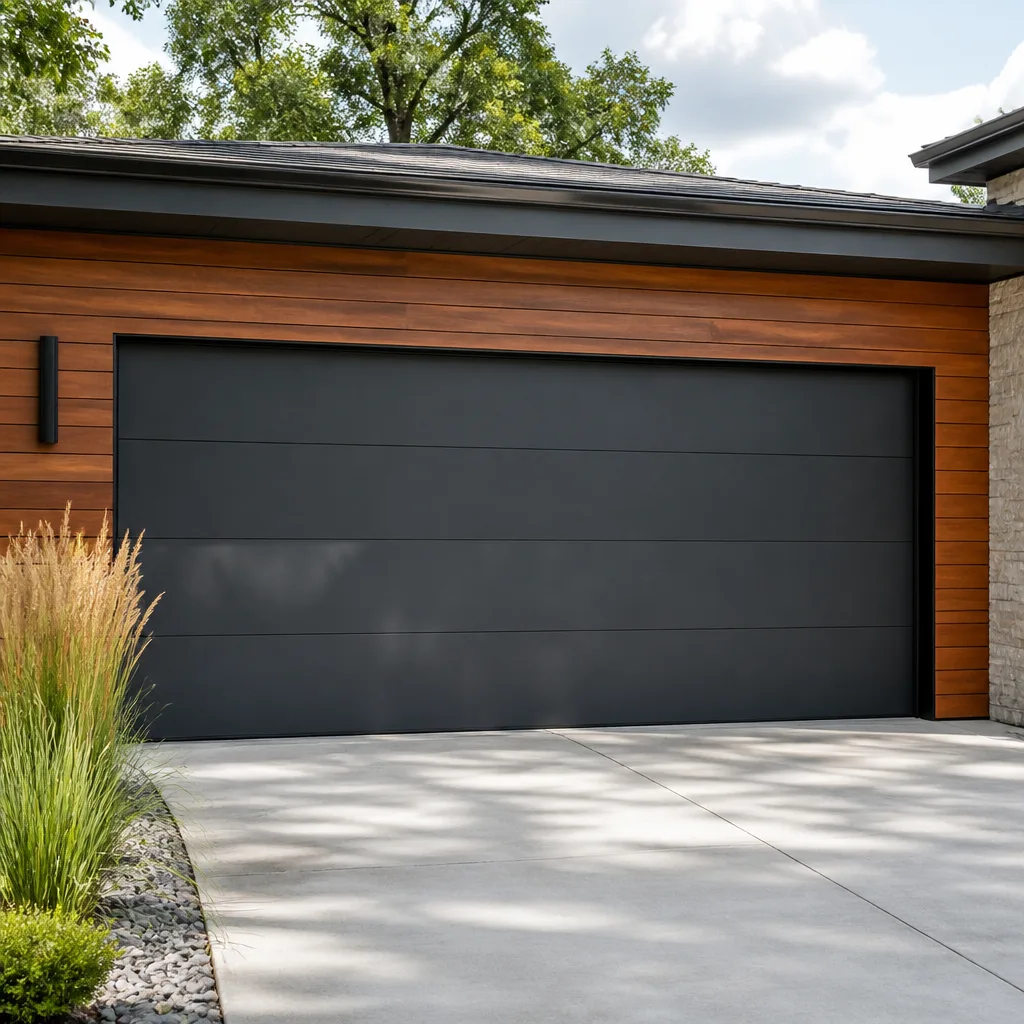 Modern flush
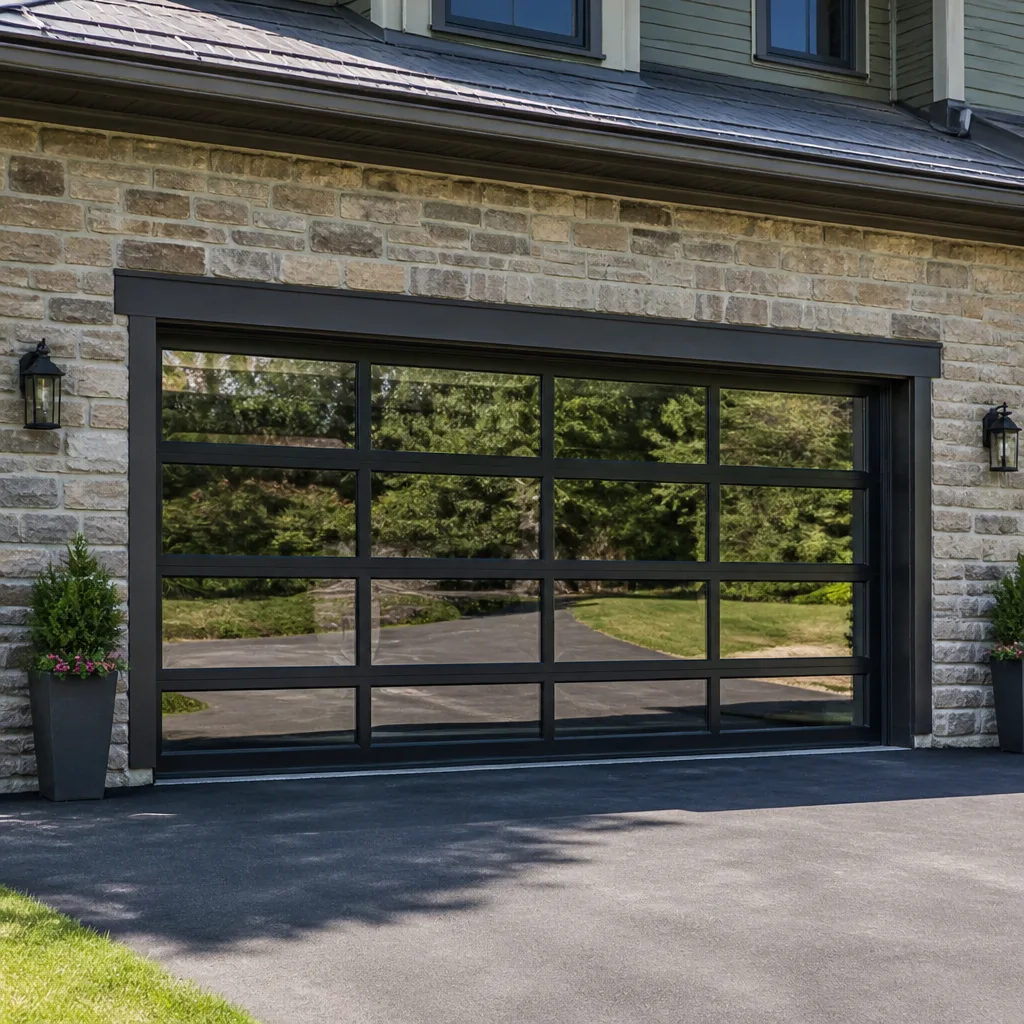 Full-view glass
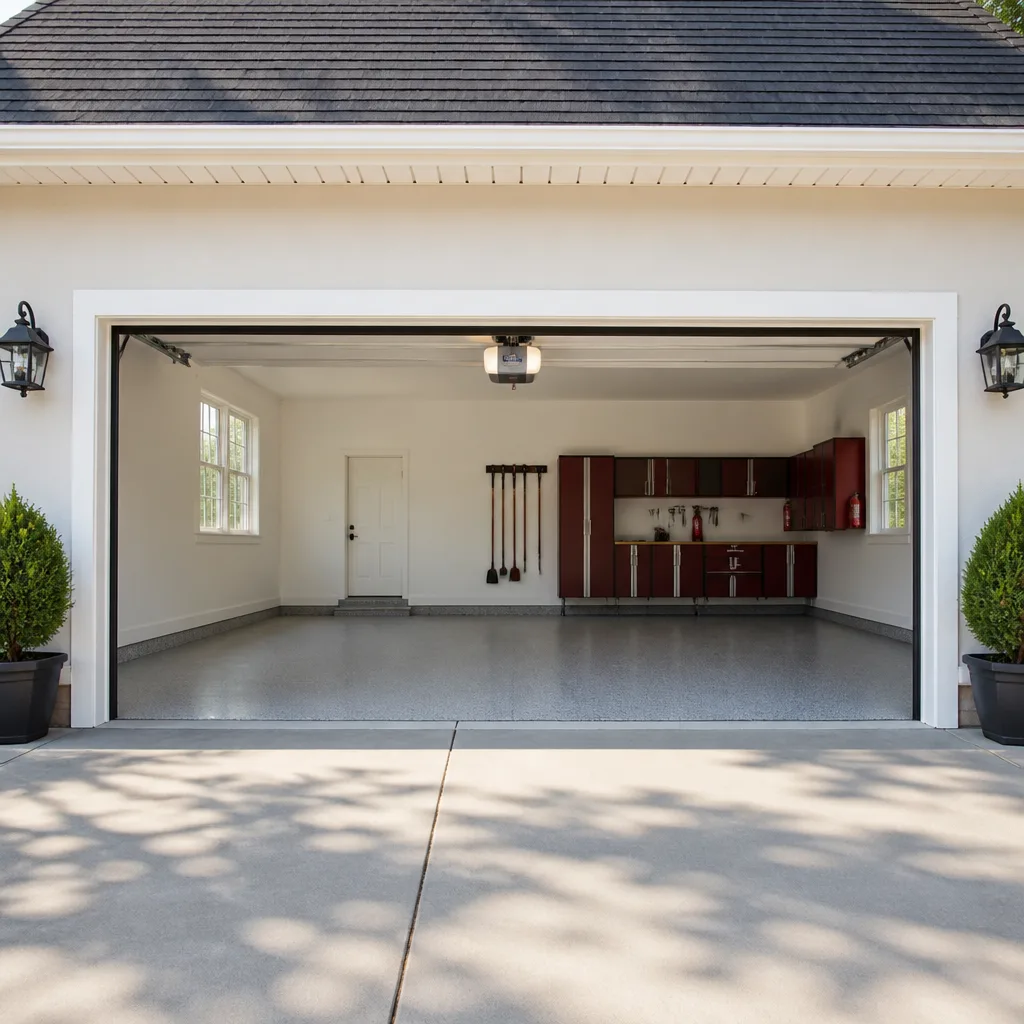 LiftMaster openers
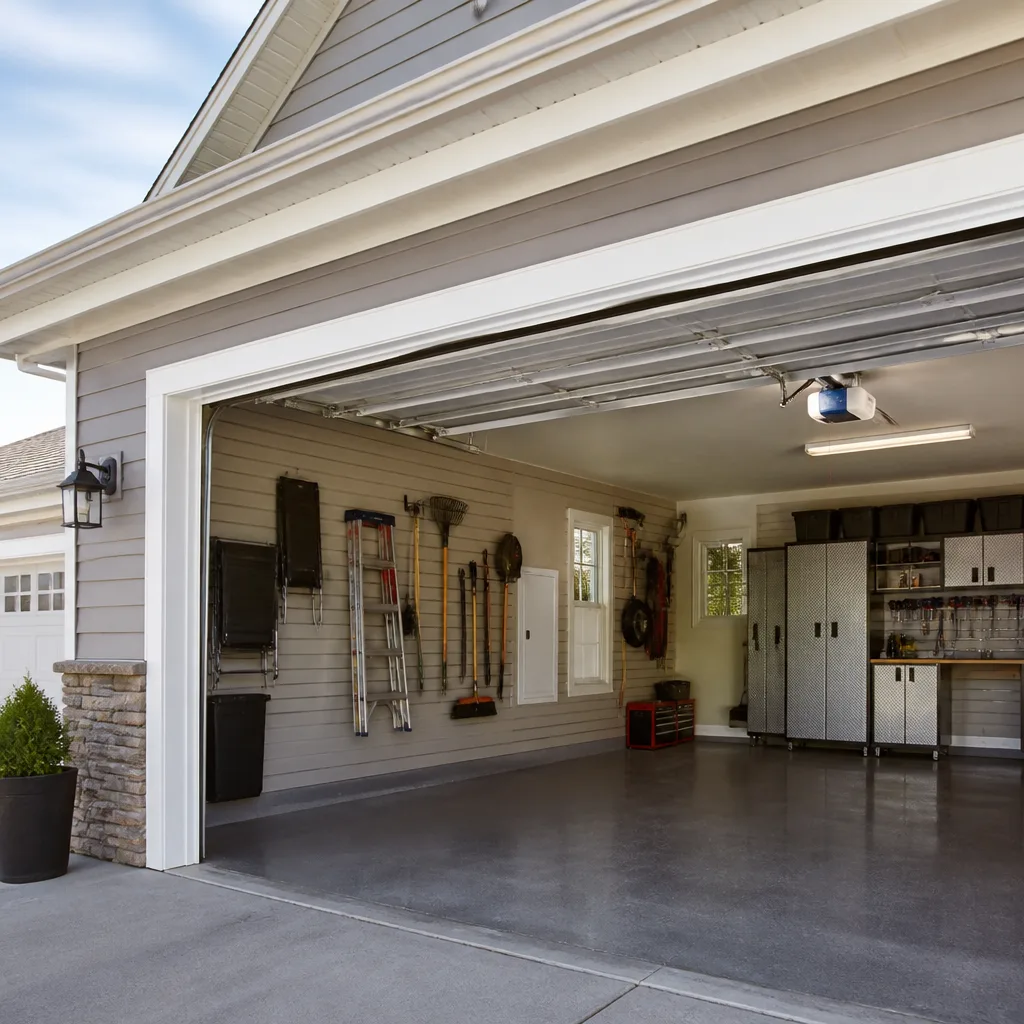 Chamberlain openers
Full 25-point door and opener safety check with every visit - springs, cables, rollers, tracks, and your LiftMaster or Chamberlain opener included
You get a price before we start. It does not change when the pro arrives.
Get your free estimateGarage Door Emergency Preparedness Guide for Antioch Homes
Most garage door advice assumes the problem is the door. In Antioch, the harder problem is often the power. A Public Safety Power Shutoff or a Diablo wind event can take the grid down for days, and the garage door quietly becomes the most important appliance in the house – it’s how you leave, how you come home, and how you keep everything inside behind a locked panel. The counterintuitive part is that the fix usually has nothing to do with repair. It’s a two-minute test you’ve probably never run. What follows is the preparedness guide we wish every Antioch homeowner had taped inside their garage: how the manual release really works, how to test it, what to do when a spring goes during an outage, and how to set up a battery backup that keeps the door moving.
Quick Answer
If your garage door won’t open during a PG&E shutoff in Antioch, pull the red manual release cord once – but only with the door fully closed – then lift the door by hand. Before an outage, test that release so you know it isn’t seized. A battery backup opener or a quick manual-release check is far cheaper and simpler than most homeowners expect, and it’s the single most useful prep step for a home in Antioch.
Styles & brands we work with
- Raised-panel steel
- Carriage house
- Modern flush
- Full-view glass
- LiftMaster openers
- Chamberlain openers
Table of Contents
- Why Power Outages Hit Antioch Garages Harder
- How the Manual Release Actually Works
- How to Test Your Manual Release Before an Emergency
- Battery Backup Openers: The Case for Antioch
- What to Do When a Spring Breaks During an Outage
- Your Emergency Reference Card
- Three Things to Check Before Assuming the Door Is Broken
- Antioch-Specific Prep: Winds, Hills, and Old Hardware
Why Power Outages Hit Antioch Garages Harder
Contra Costa County sits in one of the more outage-prone corners of the Bay Area, and Antioch’s position east of the hills means Diablo wind events can push through with real force. When the utility cuts power as a safety measure during high-fire-risk weather, it doesn’t matter that your door worked perfectly the day before – an electric opener needs electricity, and a manual door still works. That gap is where most households get caught.
The second factor is housing age. Many Antioch neighborhoods have garages with doors and openers that are a decade or two old, and hardware that old tends to seize quietly. A manual release on a well-maintained door slides free with a light tug. A release on a door that hasn’t been touched in years can be rusted or bound up, and the homeowner only finds out when the power is already out and the car is already blocked in.
There’s a third factor that’s easy to overlook: our summers run hot and dry, and the dust and grit that comes with that dry season works its way into tracks, rollers, and release mechanisms. It’s not dramatic. It’s just enough friction that a mechanism designed to move freely doesn’t, and that’s exactly the kind of slow degradation you don’t notice until you need it.
If you’re in Antioch and you’ve never thought about your garage door as outage infrastructure, you’re not alone – it’s the most common blind spot we see on preparedness calls. The good news is the fix is genuinely simple, and you can learn the whole thing in the sections below.
How the Manual Release Actually Works
The manual release cord – the red handle hanging from the opener rail – is the disconnect between your door and the opener’s drive mechanism. Pull it and the door no longer belongs to the motor; it’s yours to lift by hand. Push it back and the mechanism re-engages. Simple concept, and easy to get wrong in the moment.
The critical rule is this: pull the release only when the door is fully closed. Here’s why. The opener holds the door in whatever position it was in when the release is pulled, but it also carries the door’s counterbalance load. If the door is halfway up when you pull the release, the door has no motor holding it – it’ll drop under its own weight. If the door is fully up when you pull the release, it can slam down with the full force of the springs. Either way, you’re in the path of a moving door. And once the release is disengaged with the door in the wrong state, the mechanism can wind up in a position that’s genuinely awkward to reset.
Correct steps to use the manual release during a power outage:
- Leave the door in the closed position. Don’t try to force it partway up with the opener.
- Stand to the side of the door, not behind it, and grasp the red handle.
- Pull straight down in a firm, steady motion. It should release with one pull. If it won’t, don’t yank – you may need to push the door gently inward toward the garage while continuing to pull.
- With the release disengaged, lift the door by hand from the bottom edge. It should move up with light resistance if the springs are working. If it feels like lifting a truck, stop – the springs aren’t helping and you could hurt yourself.
- Walk the door up slowly and don’t let go. If it’s a heavier door, ask someone to steady it or use a prop stick designed for this.
- When the power comes back, close the door fully by hand, then slide the release lever back into engagement (it clicks) before using the opener.
We work on LiftMaster and Craftsman openers every day, and the release mechanism is nearly identical family to family – the concept doesn’t change. What changes is whether the release moves freely. On older Wayne Dalton or Raynor setups, years of dust can make the pull stiff. That stiffness is the tell that it needs attention now, not during the next outage.
One safety note that matters for garage doors: the springs and cables carry serious tension, and the manual release should not be confused with touching them. Never reach up into the spring or cable area to “free” a stuck release. Call us instead – a garage door under spring tension is not a DIY project.
How to Test Your Manual Release Before an Emergency
You don’t need an outage to test the release – you need twenty minutes on a normal day when you’re not in a hurry. Doing this now means the mechanism works when it counts. Here’s the routine we recommend to Antioch homeowners:
- Close the door fully and confirm the opener has finished its cycle.
- Pull the red release handle. Note whether it moves freely or feels stiff, gritty, or stuck.
- Lift the door slowly by hand about halfway. It should feel light. If it feels heavy, the springs need attention.
- Lower the door slowly and let it close.
- Re-engage the release (it should click into place) and cycle the opener once to confirm it’s working again.
What to look for on a seized or corroded release: the handle won’t pull more than an inch, or it pulls but the door doesn’t loosen, or it feels like the mechanism is grinding. On a door that’s been sitting for years, you’ll often see a powdery orange tint on the metal, or the cord fabric will look frayed and stiff. Any of those are signs to get it serviced before relying on it.
If your release is bound up, don’t force it with pliers – that’s how you break the release and leave the door truly stuck. Instead, bring in a technician for a garage door repair call that includes inspecting the release, the springs, and the opener’s engagement. A functioning manual release is basic safety equipment, and it’s one of the things we check first whenever we’re on site.
If your home is newer and the opener is a modern smart unit, the release is still on the rail. Don’t assume a “smart” opener makes this unnecessary – a smart opener works exactly as well as your Wi-Fi, which is exactly as well as your router, which is exactly as well as the power. Test the release.
Battery Backup Openers: The Case for Antioch
A battery backup opener is an opener with an internal rechargeable battery that keeps the door moving when the grid is down. It’s not a generator and it’s not a whole-house solution, but it’s the single most practical outage prep for a garage in Antioch, and it works without you thinking about it.
The reason it’s worth considering here specifically is the PSPS pattern. Shutoffs in Contra Costa County tend to be tied to high-fire-risk wind events, which means they cluster in a season and can last longer than a typical storm outage. A door with battery backup means your car can leave the garage on the first day of an outage without anyone pulling a release cord in the dark.
Realistic notes on battery backup openers:
- Which brands do this: LiftMaster and Chamberlain both make openers with integrated battery backup, and those are two of the brands we work on most often in Antioch. If you’re replacing an older unit, it’s worth asking specifically for a backup-capable model.
- Cost: We price installation per job with a written estimate, and we don’t quote numbers until we’ve seen the door, the header, and the existing opener. What makes the difference is door weight, opener capacity, and whether the existing electrical outlet is in the right place.
- Battery replacement: The battery in a backup unit is a wear item. It’s not a forever battery, and it’s the part to remember to check every year or two.
- Installation: This is a measuring and scheduling job, not a same-day fix. We measure, order, and install on a scheduled day, and the written estimate is the price.
If your current opener is a Craftsman or Raynor unit that’s aging out, we can look at what you have and tell you whether a battery backup opener is a straight replacement or whether the door needs any work first. That’s a garage door opener repair conversation we have often – sometimes it’s a repair, sometimes it’s a replacement, and the answer depends on what’s actually in your garage.
One more note on preparation: a battery backup doesn’t replace the manual release. Both exist. The battery keeps the door working automatically during an outage; the manual release is your backup to the backup. Test them both.
What to Do When a Spring Breaks During an Outage
A broken spring during an outage is the scenario that worries us most, and it should worry a homeowner too. Here’s why. When a torsion spring breaks, the door loses its counterbalance. The opener can’t lift it, and neither can you – at least not safely. If the power is also out, you can’t even try the opener. What you have is a door that is genuinely heavy, and a manual release that, if pulled, leaves that weight with you.
Do not try to open a door with a broken spring. Do not pull the manual release to “see if it’ll work.” A door that’s free of its opener with no spring tension is dead weight that can drop. And if you’ve partially lifted it, the door can come back down faster than you can move.
How to tell it’s a spring:
- You heard a sharp bang from the garage when the door last moved.
- The door feels heavy when you try to lift it by hand.
- There’s a visible gap in one of the springs above the door, or a dangling piece of spring steel.
- The opener runs but the door doesn’t move, or moves a few inches and stops.
If any of that matches, the door stays closed. Call a professional. This is the one garage door failure where “wait it out” is the safe choice – wait for the repair, not for the power. Our Sawyer Garage Door Repair team treats broken springs as urgent, because a door with a broken spring can’t be used safely and can’t be used to leave your garage.
If spring breakage happens during an outage, call us. We answer 24/7. We’ll talk through what you’re seeing, and if you’re within the Antioch area we’ll get you on the schedule as fast as the repair allows. Fast dispatch from 7am to 7pm, Sunday through Friday, and the price is always quoted and agreed before we start any work.
Your Emergency Reference Card
This is the section we’d ask you to actually print out. A card taped inside the garage wall makes the difference between a calm decision and a panicked one. Write these three things on it:
1. Your Manual Release Location
Note where the red handle hangs (usually at the top of the opener rail, near the door). Note the door’s fully-closed position. Note “pull only when closed.” If you have a second door, note each release separately so nobody grabs the wrong one.
2. Local Emergency Contacts
Our phone number – (866) 944-5178 – is the one that belongs on this card. We answer 24/7, and garage door emergencies are the calls we’re set up for. Don’t put a general handyman number on the card; put the specialist number there.
3. The Three Checks Before Assuming the Door Is Broken
- Is the power actually out? Check another circuit in the house.
- Did the opener get unplugged, or did the outlet’s GFCI trip? Look at the outlet.
- Are the safety sensors blocked, misaligned, or dusty? On many openers, a blocked sensor will stop the door even with power present.
An emergency card in the garage also helps a neighbor or family member who doesn’t know your house. If someone else has to open or secure the garage while you’re away, the card answers the questions they’d otherwise guess at.
Three Things to Check Before Assuming the Door Is Broken
We get a lot of calls from Antioch homeowners who assume the worst and often it’s something simpler. Before you call, run these three checks – each takes under a minute.
Check the power
Is the opener plugged in? Is the outlet working? A GFCI outlet in a garage can trip, and once it trips, the opener is dead even with power in the rest of the house. If you can, plug a lamp or phone charger into the outlet the opener uses. If it doesn’t come on, reset the outlet.
Check the safety sensors
Most modern openers have a pair of sensors at the bottom of the door tracks. If one is bumped, blocked by a stored box, or covered in dust, the door may refuse to close. Wipe the lenses with a dry cloth and check that both are pointed at each other. If the indicator light on the sensor is red or flashing, that’s your clue.
Check the manual release
Is the release still engaged? If somebody in the house pulled it during the last outage and never pushed it back, the door won’t respond to the opener – the door and motor are disconnected. Push the release lever back in until it clicks and try the opener once.
If you’ve done all three and the door still won’t work, that’s exactly the call we want. We work on LiftMaster, Chamberlain, Genie, Clopay, Amarr, Wayne Dalton, Craftsman, and Raynor systems, so no matter what’s already installed in your garage, we’ll know it. Our technicians have up to 11 years of experience, all of it concentrated on garage doors.
Antioch-Specific Prep: Winds, Hills, and Old Hardware
Not every prep step is universal, and some of it lands differently depending on where in Antioch you live. The hillside neighborhoods see more wind exposure during Diablo events, and that’s the wind that tends to precede a shutoff. If you’re on an exposed street or a slope, your door takes more stress during a wind event than a door in a sheltered part of town – check that the bottom seal isn’t torn and that the door isn’t rattling in the track.
The older parts of town have a lot of doors and openers that were installed years ago and never inspected. That’s not a knock on the homes – it’s just how hardware ages. Seized manual releases, stiff rollers, and openers at the end of their service life are common. The repair for most of it is routine, but only if it happens before the outage, not during it.
On the day of an actual outage, the practical order of operations is:
- Check whether the door is at risk (heavy, spring noise, stuck release) before you try to open it by hand.
- If it’s safe, use the manual release exactly as described above.
- If it isn’t safe, leave the door closed and call us.
We’re a garage door specialist – repair, opener repair, and new installation, nothing else – and we’re set up to prioritize emergencies for homes in Antioch. Whether it’s the door itself or the opener, that’s the whole job, and it’s what we do every day.
Common Mistakes to Avoid
- Pulling the release with the door partway up. The door has no motor to hold it and can drop or slam. Pull only when the door is fully closed, and lower it slowly.
- Waiting for an outage to test the release. A seized release only becomes obvious when you need it. Test it on a normal day when you have time to deal with a stuck handle.
- Assuming a smart opener means you’re covered. A smart opener needs Wi-Fi and power. Neither is guaranteed during a PSPS. A battery backup is what keeps it moving.
- Forcing a stuck manual release with tools. If it won’t pull free, something inside is binding. Prying it can break the release and leave the door truly stuck with the car inside.
- Trying to lift a door with a broken spring. The door can weigh several times more than it should without a spring. That’s not a “try harder” situation; that’s a stop and call a professional situation.
- Skipping the reference card. If the power is out and you’re stressed, you won’t remember the release location or the phone number. A card on the wall fixes that.
- Ignoring repeated outages. If your door has failed the same way during two outages, that’s a pattern, not bad luck. It’s a repair waiting to happen before the next one.
See the difference
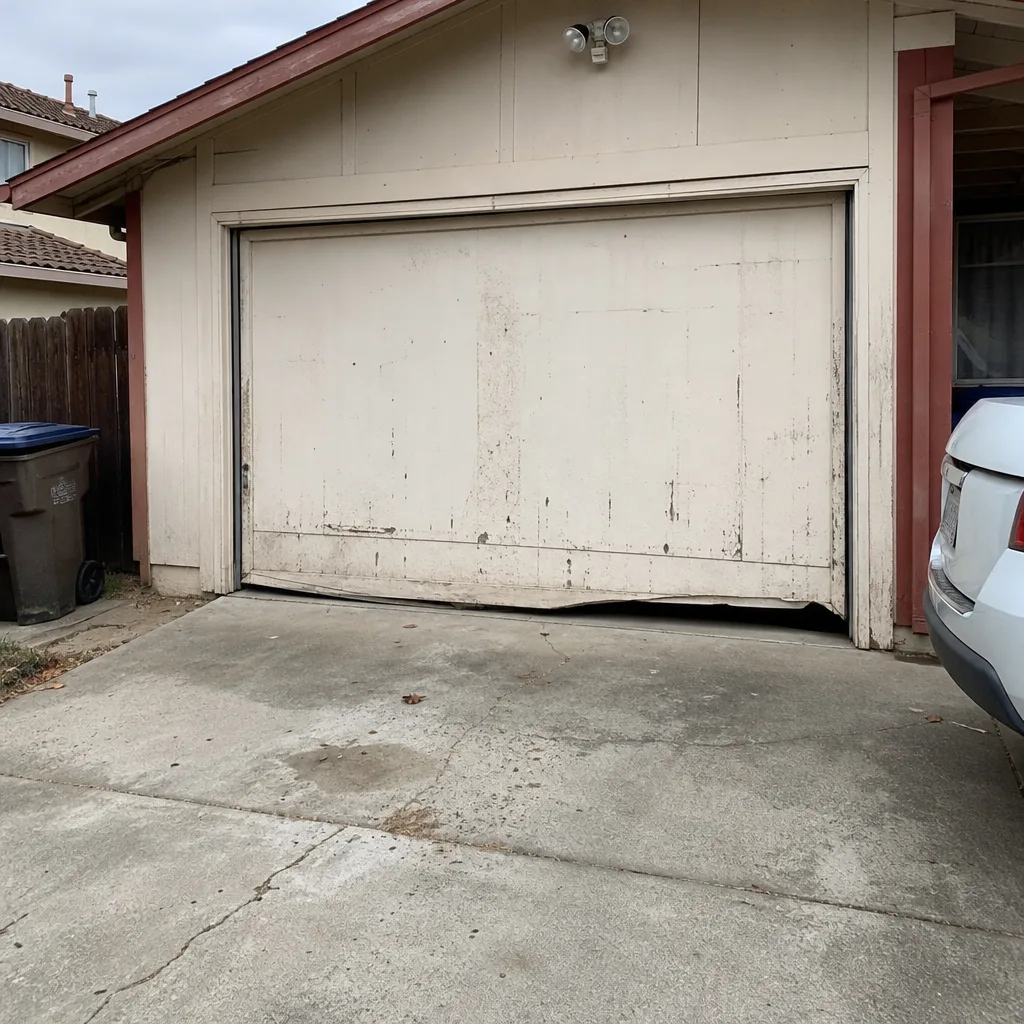 Before
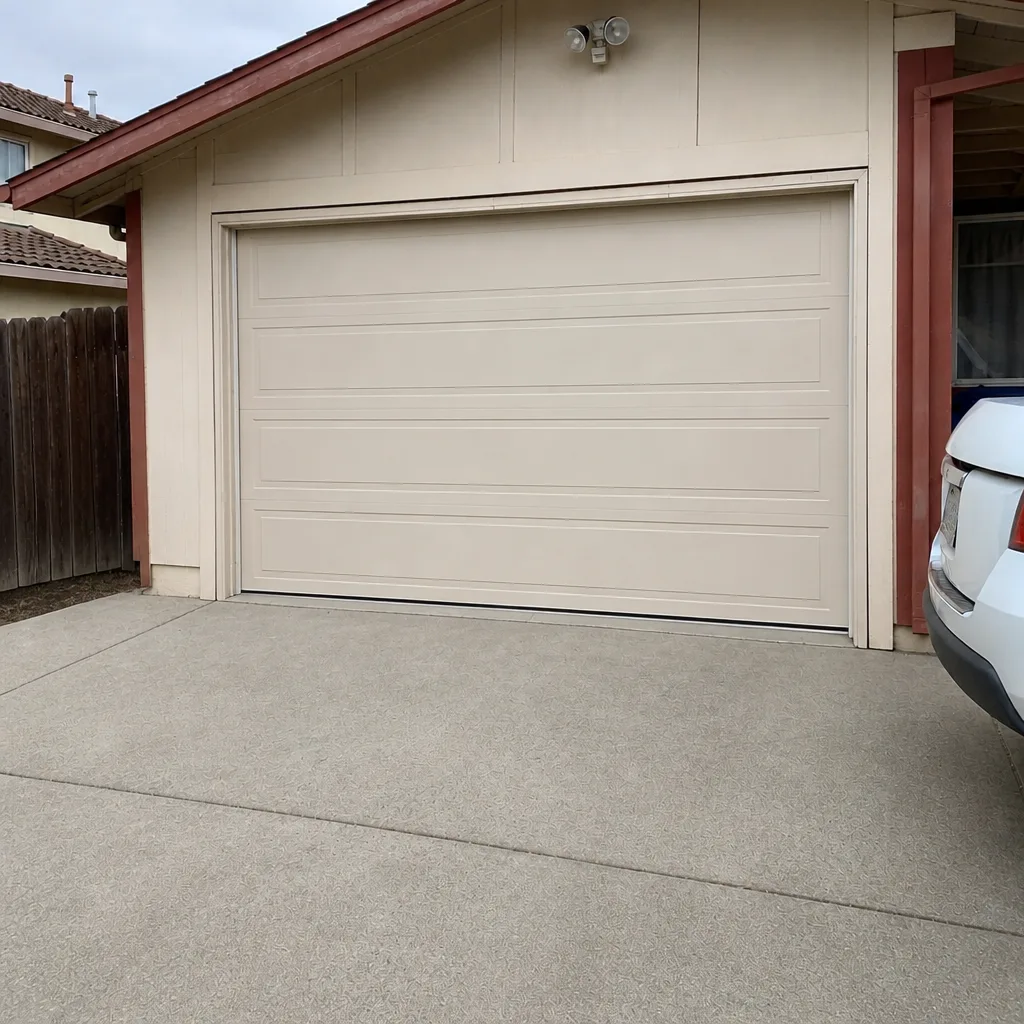 After
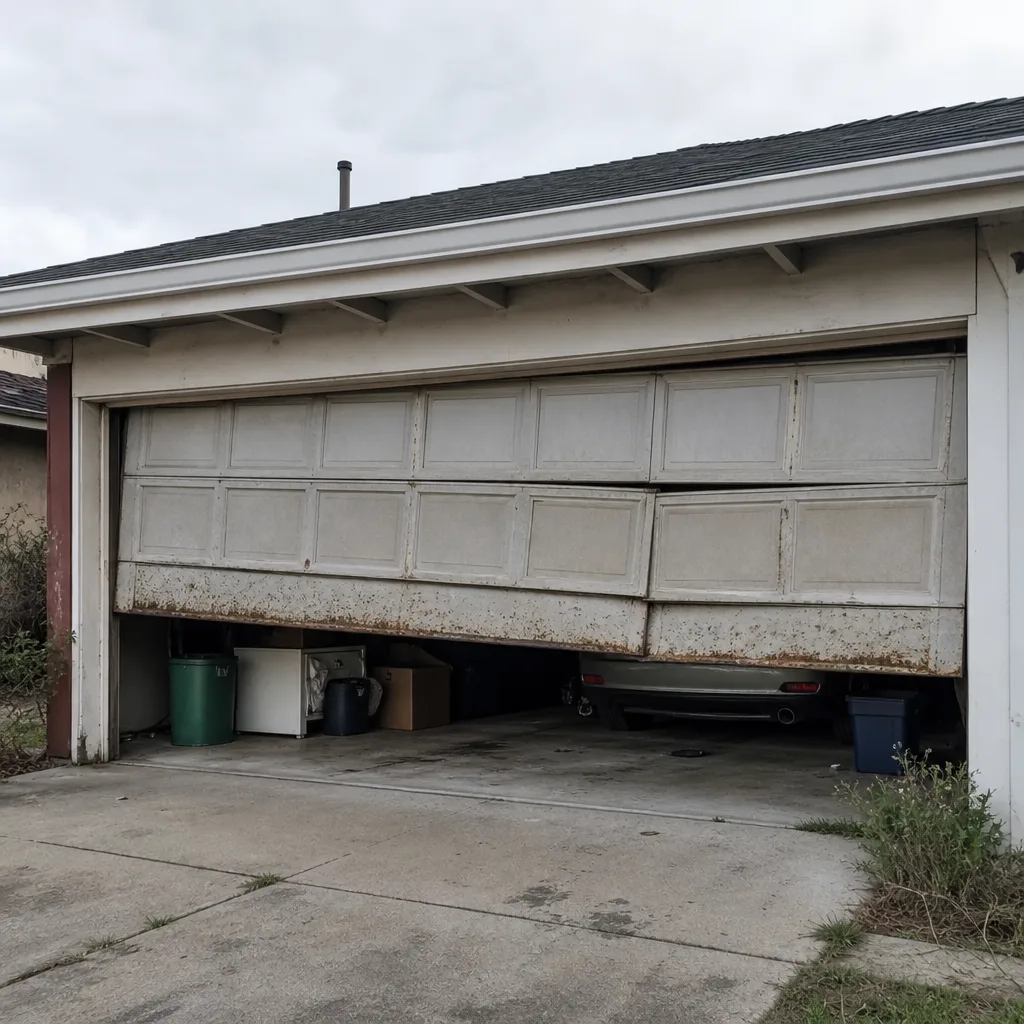 Before
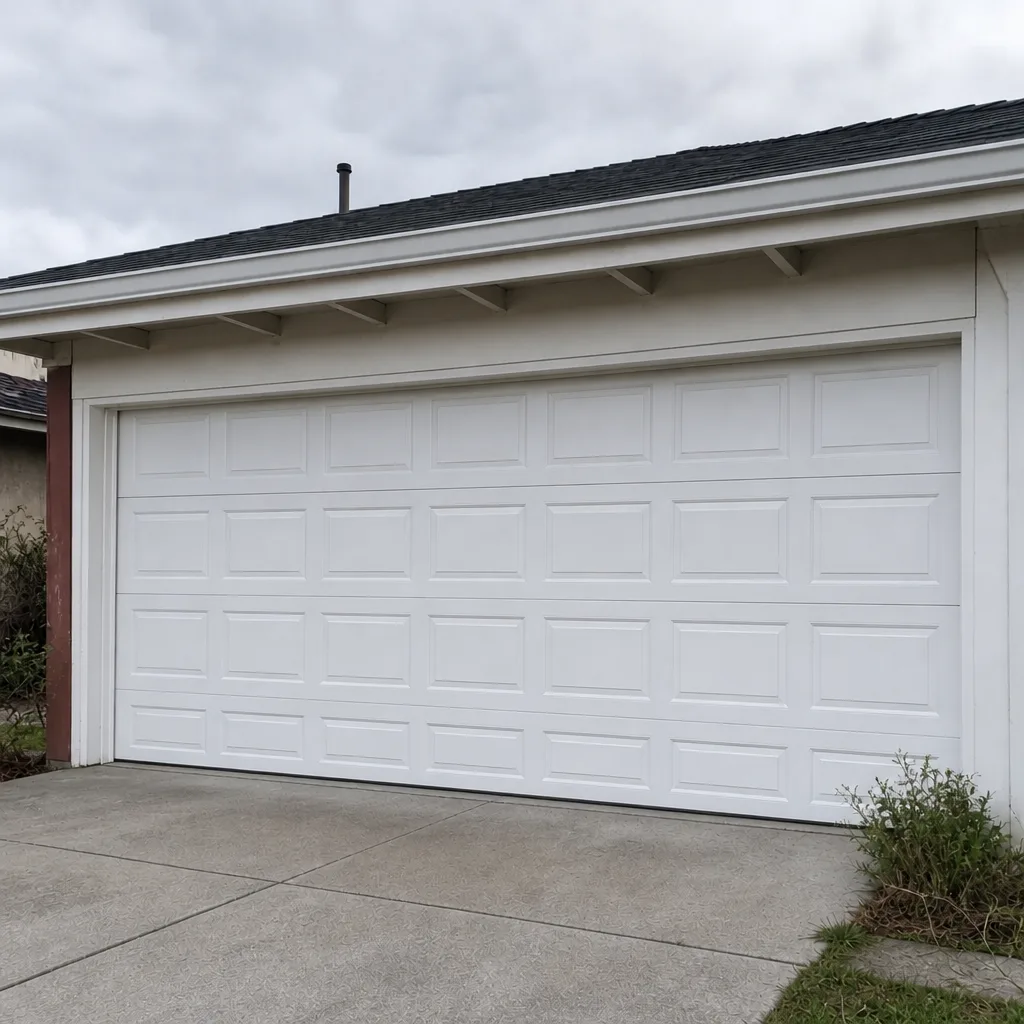 After
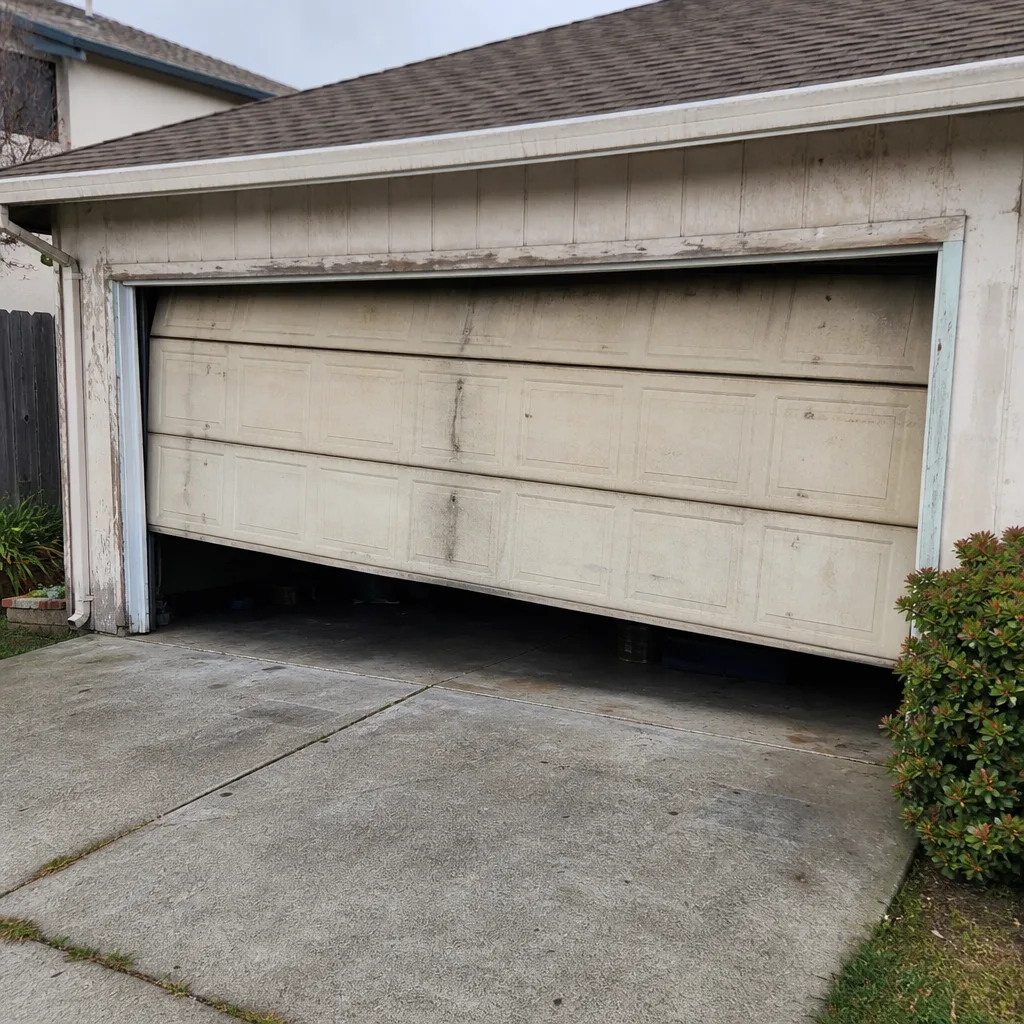 Before
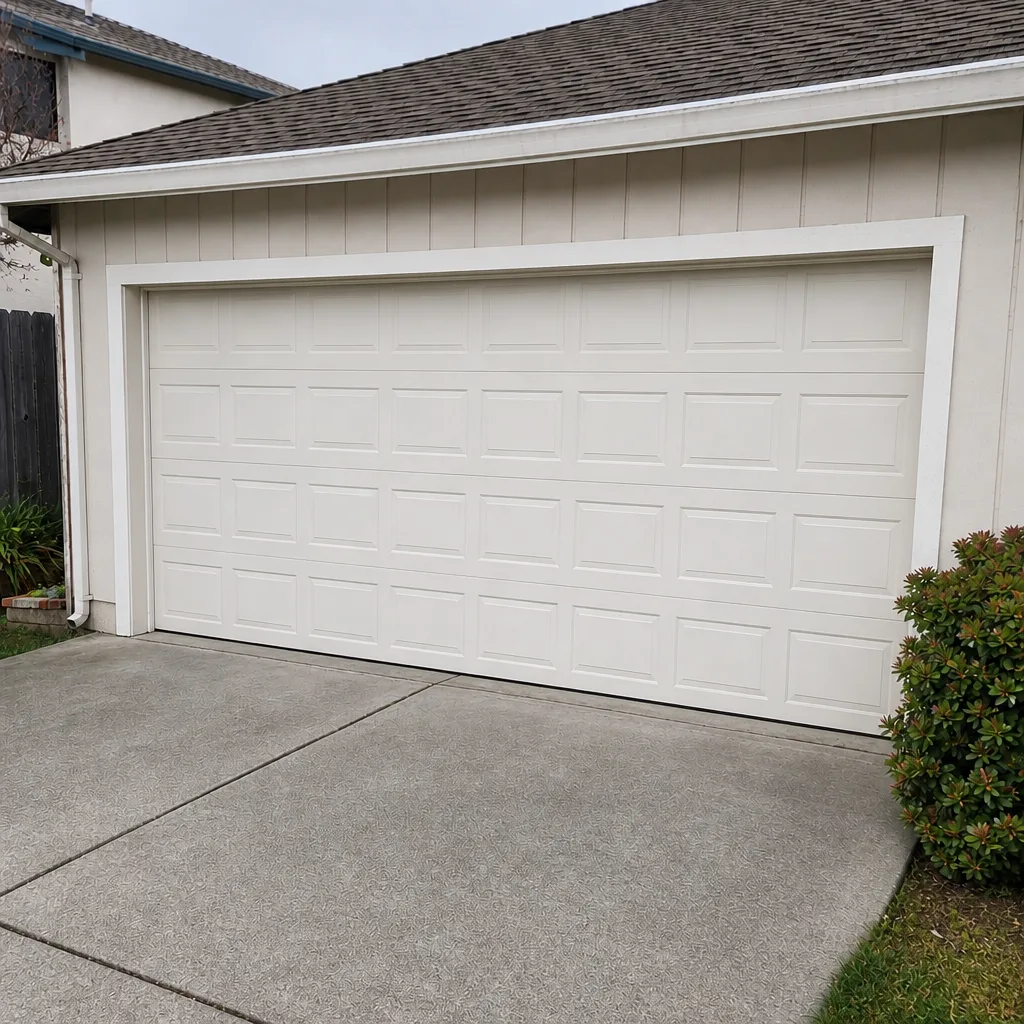 After
When to Call a Professional
Call us when the manual release won’t move, when the door feels unaccountably heavy, when you heard a bang and the door won’t lift, when the opener runs but the door doesn’t move, or when a sensor or power issue doesn’t resolve after the three basic checks. Call us before an outage if the release is seized, because that’s the moment it’s easy to fix. And call us during an outage if anything about the door worries you – we’d rather talk through it than have you force something.
Sawyer Garage Door Repair offers free estimates in Antioch – call (866) 944-5178. We answer 24/7. Fast dispatch from 7am to 7pm, Sunday through Friday. The price is always quoted and agreed in writing before any work starts.
Frequently Asked Questions
Pull the red manual release cord once – with the door fully closed – and then lift the door by hand from the bottom edge. If the release is stiff or the door feels heavy, stop and call us; don’t force it. Re-engage the release when the power returns.
We price installation per job by written estimate, so the number depends on the door, the opener capacity, and the existing electrical setup. Call (866) 944-5178 for a free estimate – installation is a measured job with a scheduled day, not same-day work. We measure, order, and install, and the written estimate sets the final price.
Don’t force it – a stuck release needs to be inspected, not pried. Call (866) 944-5178 and we’ll get a technician out to look at the release, the springs, and the opener’s engagement. A release that won’t pull is a repair, and it’s better done before an outage than during one.
We work on LiftMaster, Chamberlain, Genie, Clopay, Amarr, Wayne Dalton, Craftsman, and Raynor – which covers the vast majority of openers and doors already installed in Antioch homes. If your brand is on that list, your setup isn’t new to us.
Spring repairs are urgent, and we treat them that way. Call (866) 944-5178 and we’ll talk through what you’re seeing and schedule the repair as quickly as possible. Never open a door with a broken spring yourself – the door is genuinely heavy and dangerous without spring tension.
The written estimate sets the price, and it’s quoted and agreed before any work starts. If the inspection turns up something beyond what you described, we’ll talk it through with you first. Call (866) 944-5178 for a free estimate.
The Bottom Line
Preparedness for a garage door in Antioch comes down to three things you can do now. Test the manual release so it moves freely. Run the three checks (power, sensors, release) before assuming the door is broken. And get a reference card on the wall with the release location and a specialist’s phone number. A battery backup opener is the upgrade that makes outages mostly invisible, and a broken spring is the one situation where you always call rather than try. Our technicians have up to 11 years of experience across eight brands, and garage doors are all we do. Call (866) 944-5178 for a free estimate. We answer 24/7. Fast dispatch from 7am to 7pm, Sunday through Friday.
Written by the team at Sawyer Garage Door Repair.